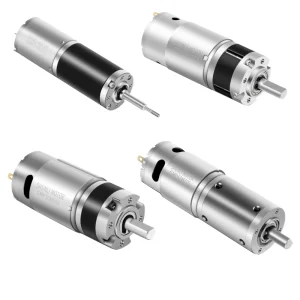
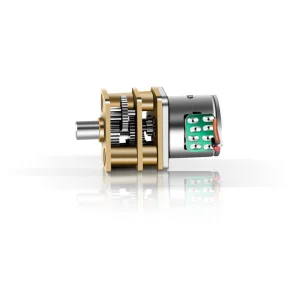
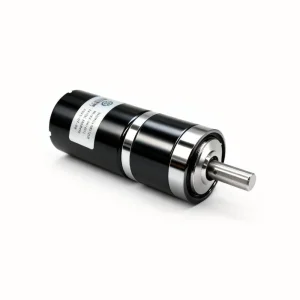
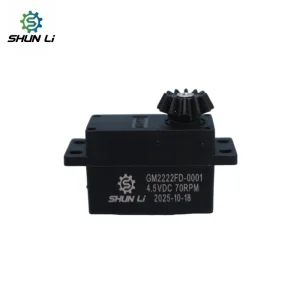
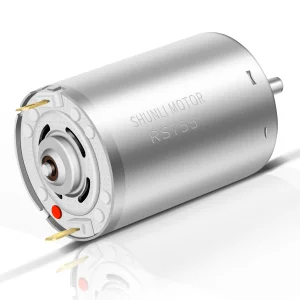
Engineered to deliver high torque-to-volume ratio, low backlash, and exceptional angular accuracy across medical, industrial, and aerospace fields.
At TTM Motor, we don’t just manufacture motors—we engineering motion. We understand that in the world of advanced robotics, medical equipment, and smart automation, a fraction of a millimeter or a micro-level torque variance can dictate the success of your entire project. That is why our Shanghai-based R&D facility is dedicated entirely to pushing the boundaries of micro-drive performance.
Every micro DC motor, planetary gearhead, and brushless drive (BLDC) we produce is a result of rigorous cross-disciplinary engineering. Armed with advanced CAD/CAM software, automated winding technologies, and precision dynamic balancing testing equipment, our in-house engineering team bridges the gap between your conceptual design and volume manufacturing.
True to our Top Quality & Customization ethos, we specialize in solving complex integration challenges. Whether your application requires an integrated encoder for precise feedback, a custom-molded lead screw shaft, or a high-vacuum-compatible enclosure, TTM Motor has the technical expertise to customize and deliver ready-to-install motion sub-assemblies that meet your exact specifications.
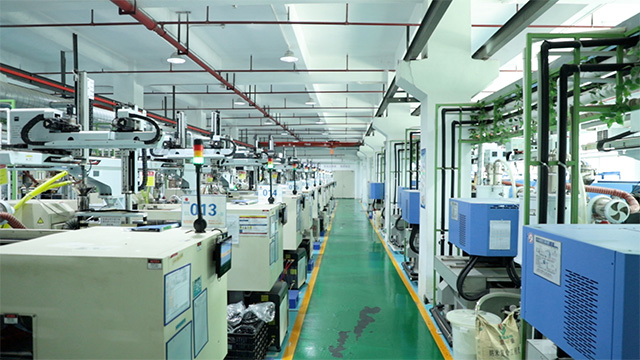
Unlocking the synergy between vertical integration, rare earth supply chain mastery, and high-efficiency precision manufacturing.
China controls over 70% of the world's rare earth mineral refining. This allows factories like TTM Motor to secure direct access to ultra-high-grade Neodymium Iron Boron (NdFeB) permanent magnets at competitive rates, ensuring long-term magnetic stability, lower detent torque, and elevated holding torque values.
By leveraging precision stator lamination techniques and customized bipolar windings, Chinese engineering facilities optimize dynamic torque parameters. OEM partners can specify precise electrical characteristics, custom shaft configurations, and special flange sizes with minimal turnaround times.
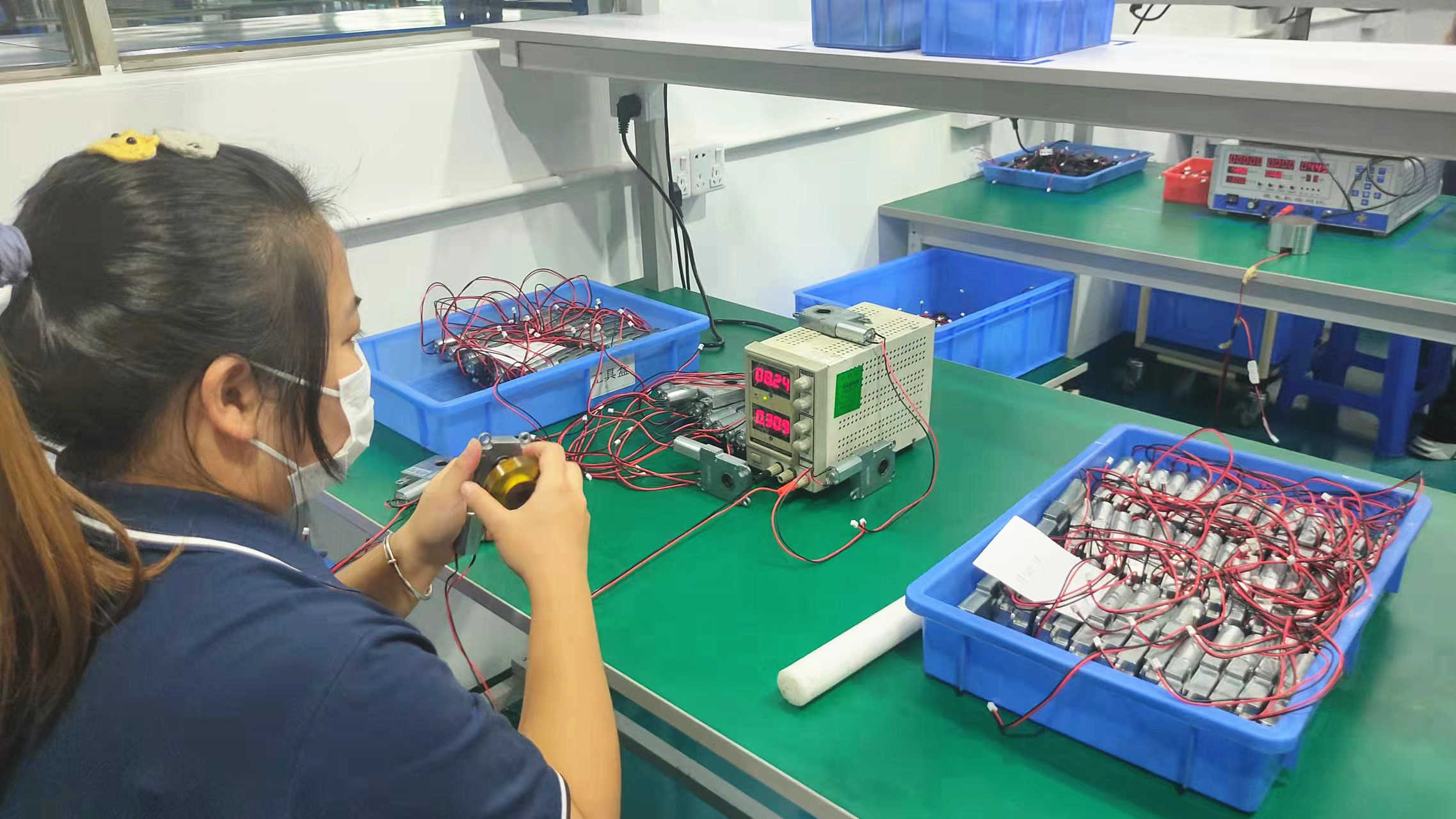
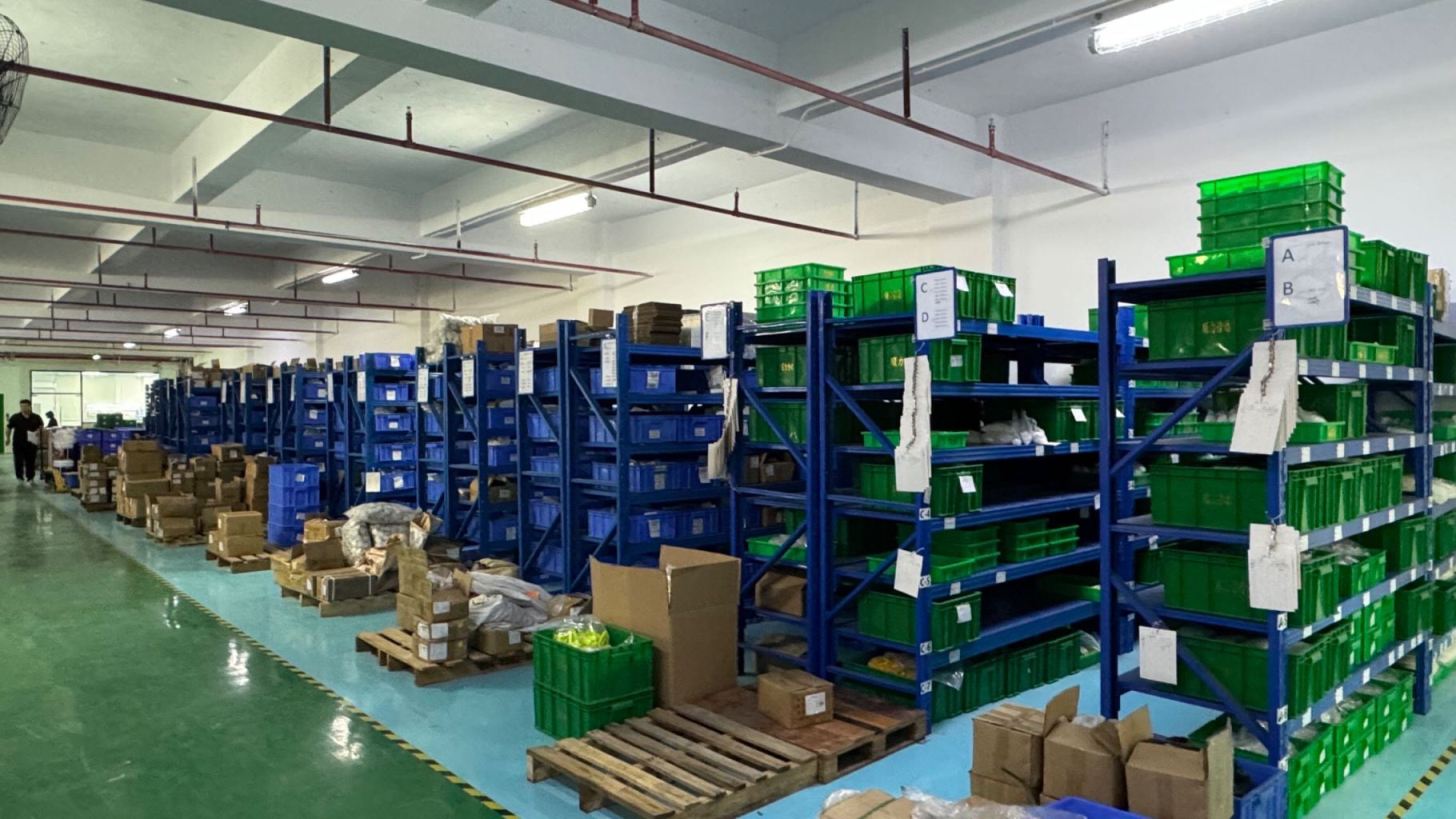
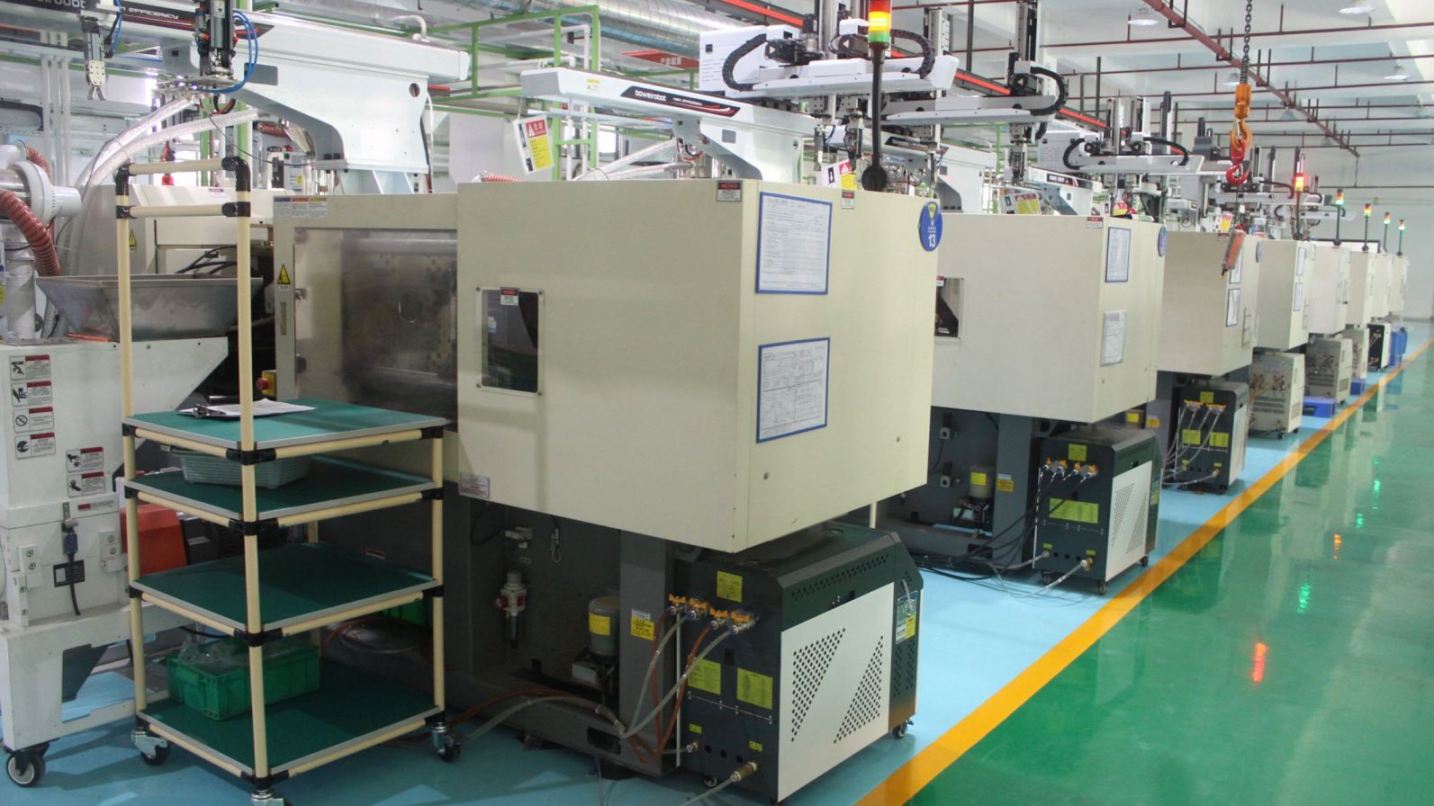
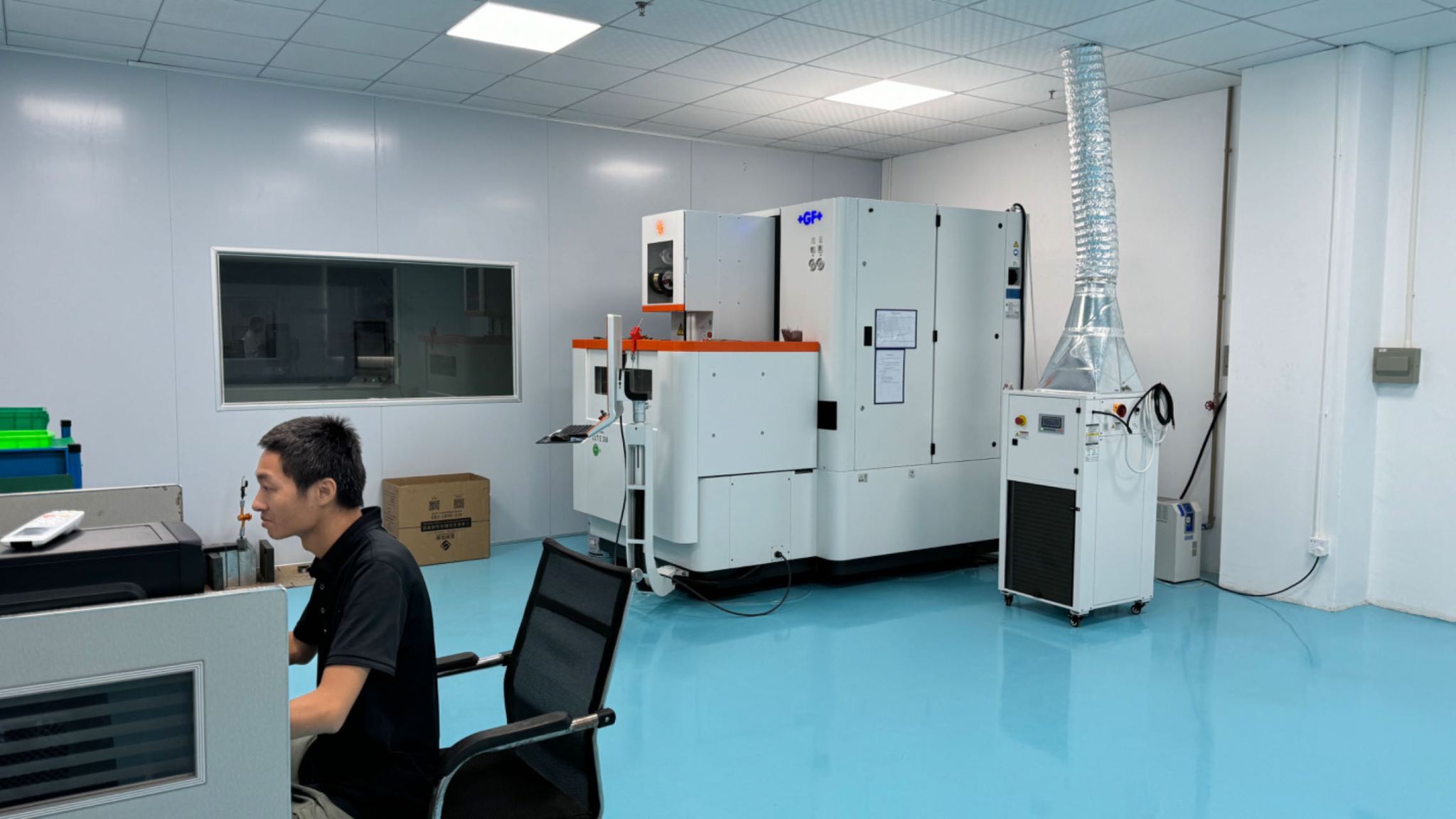
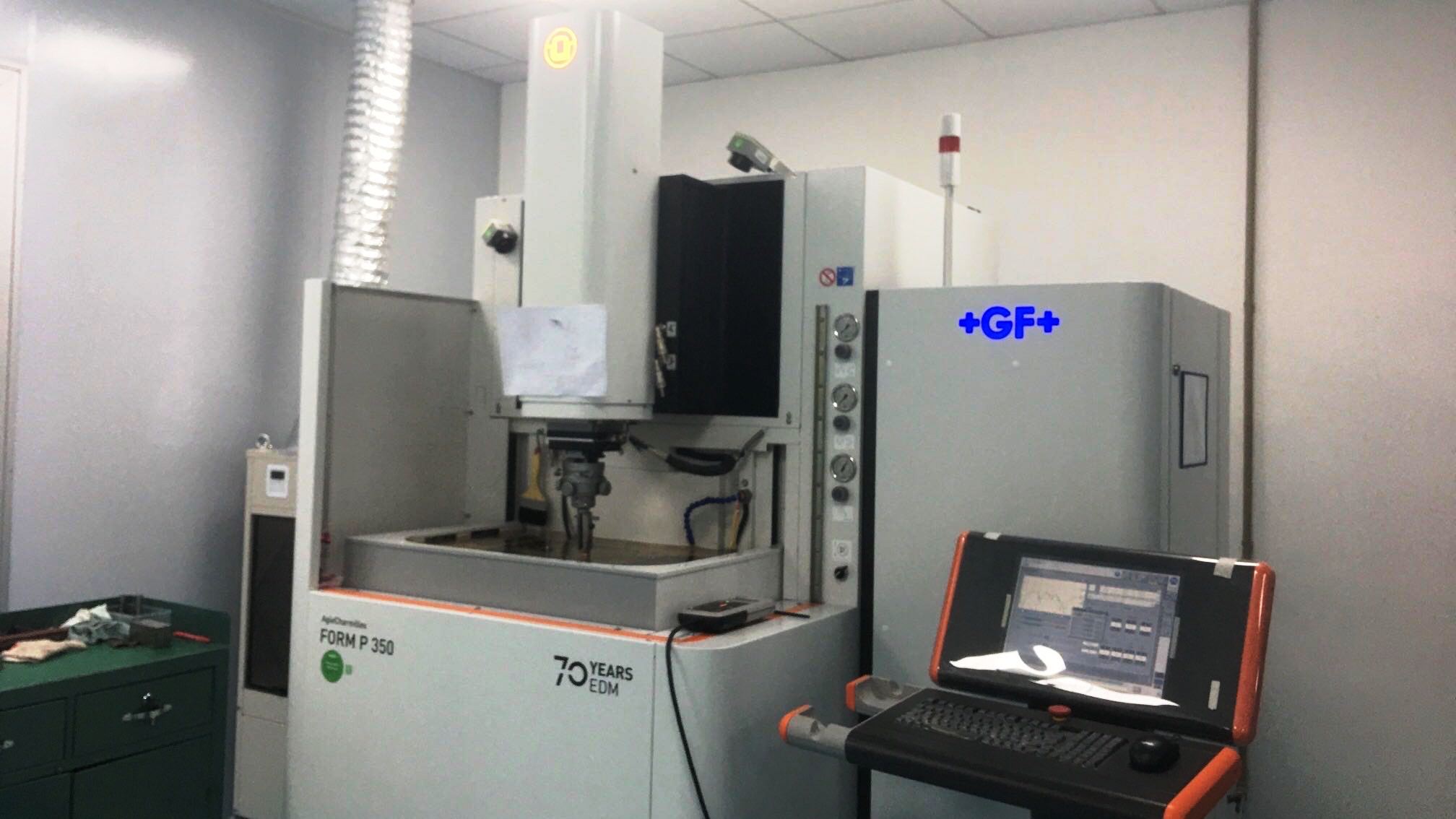
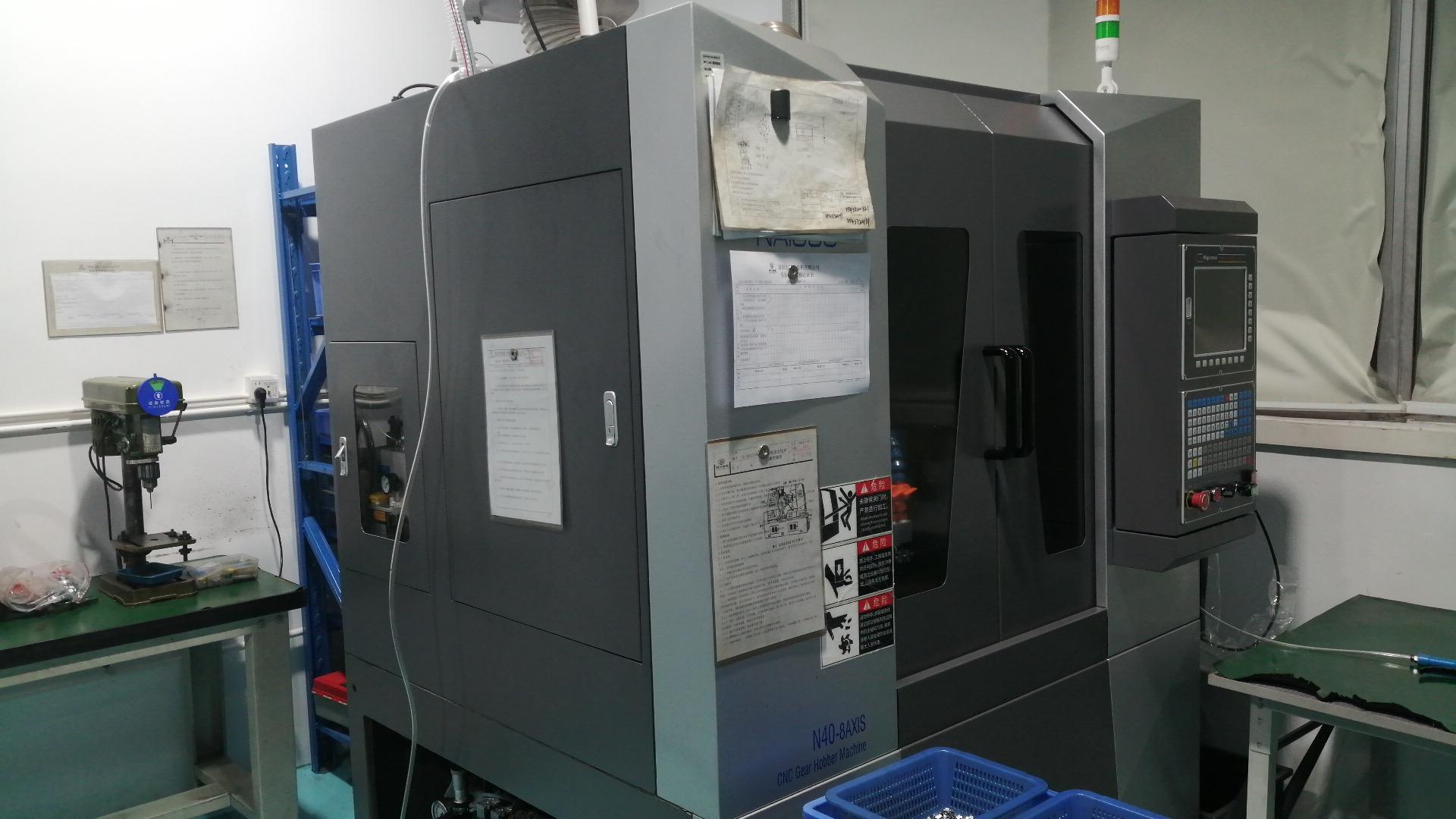
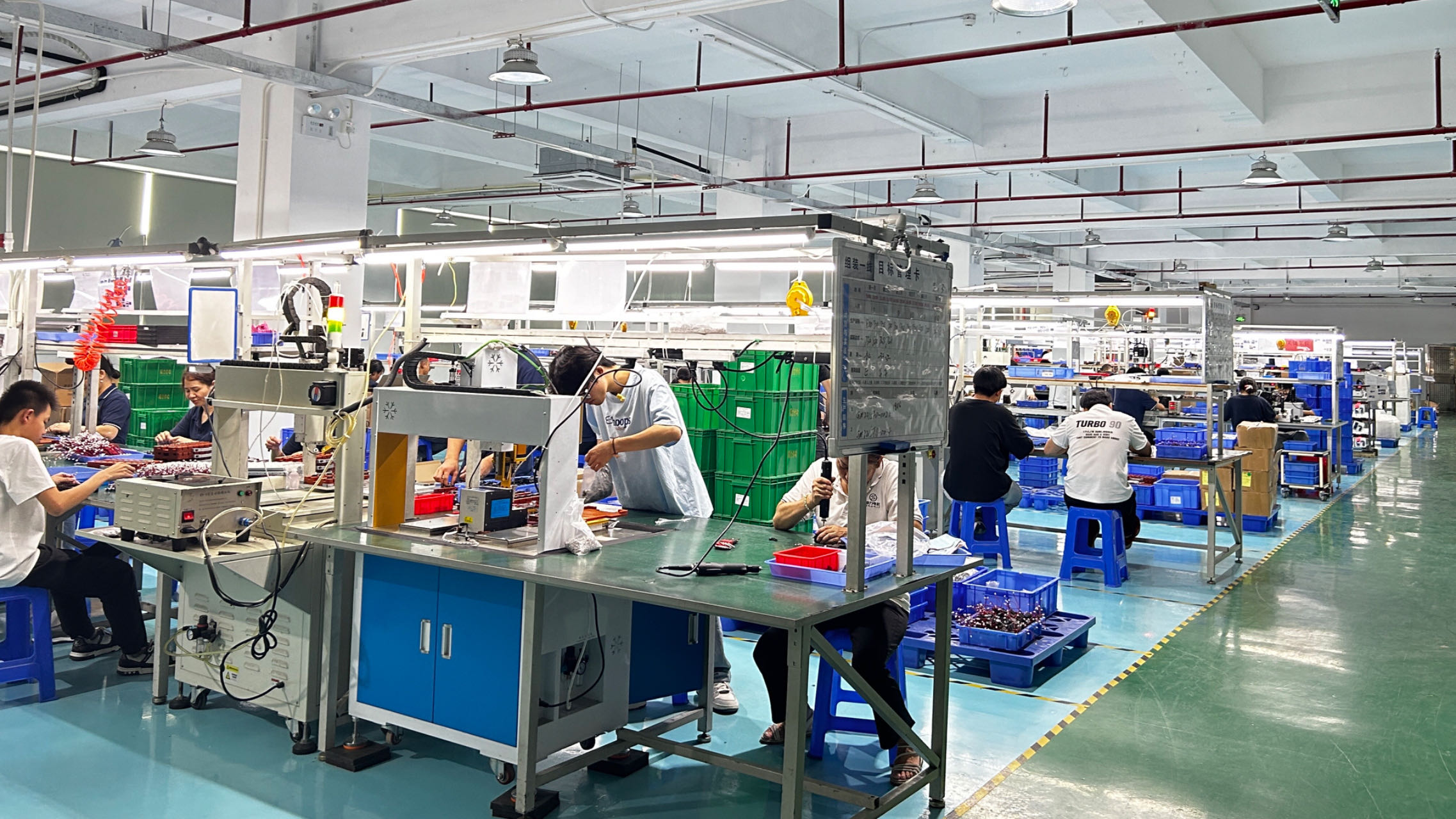
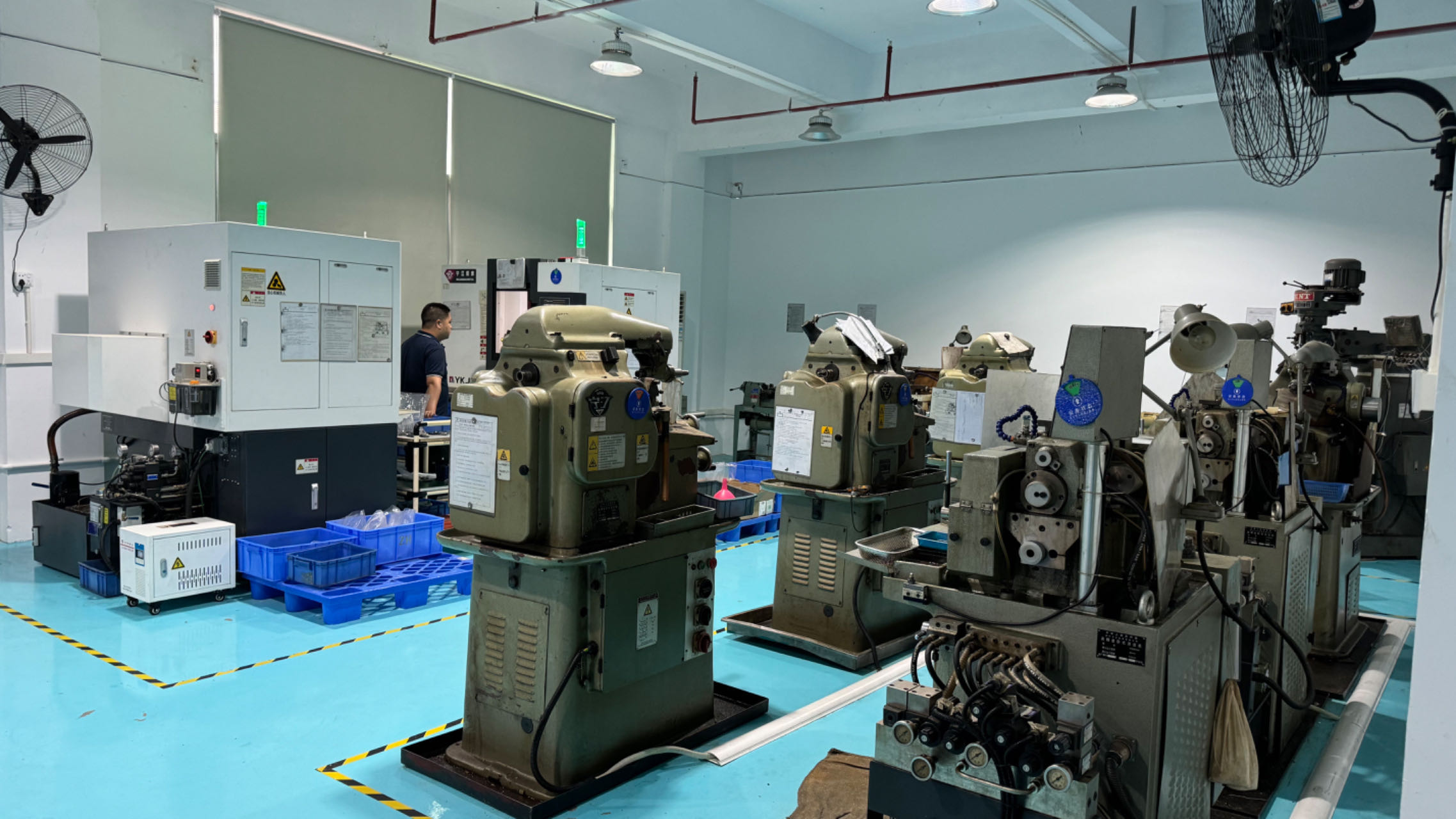
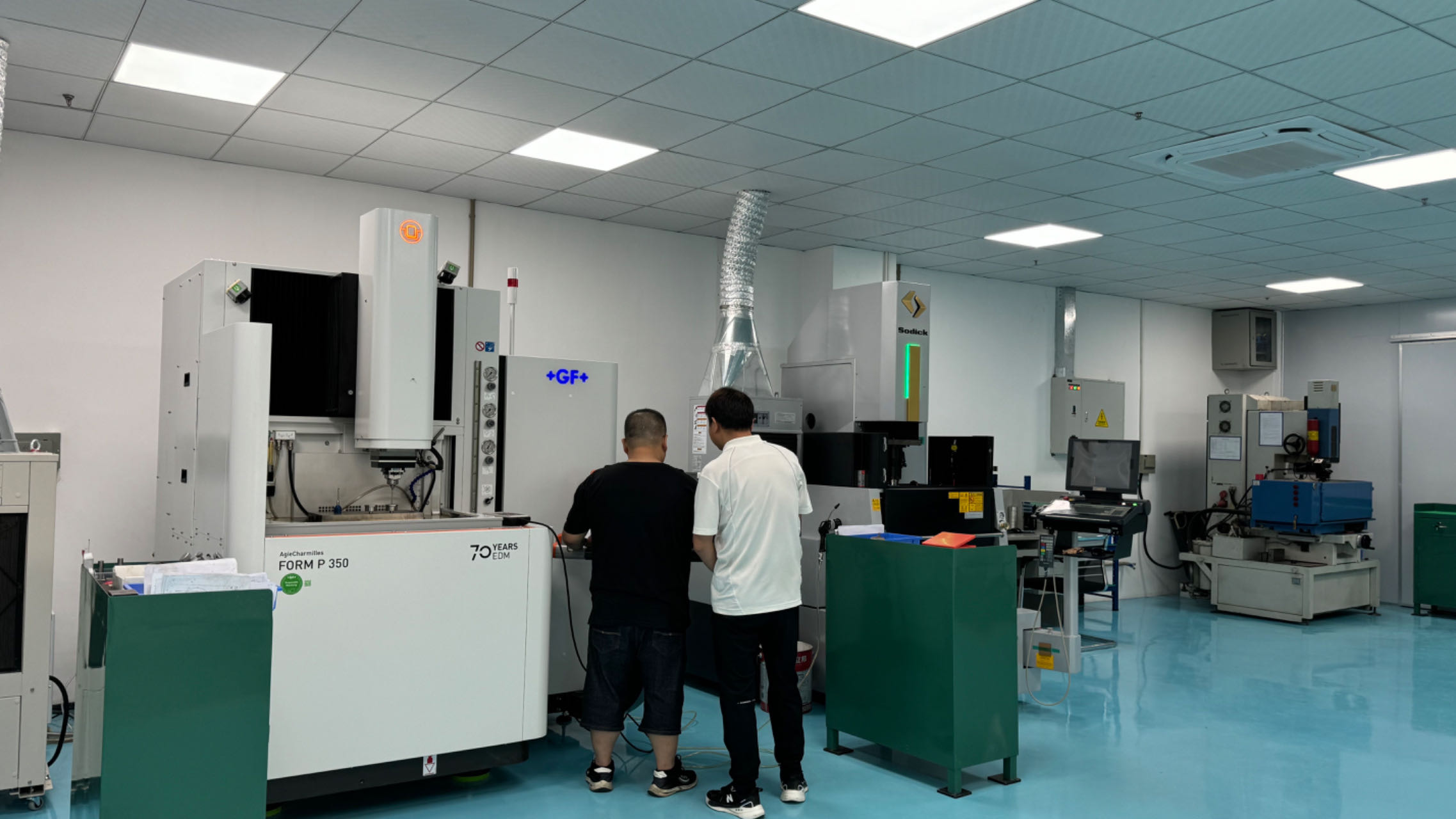
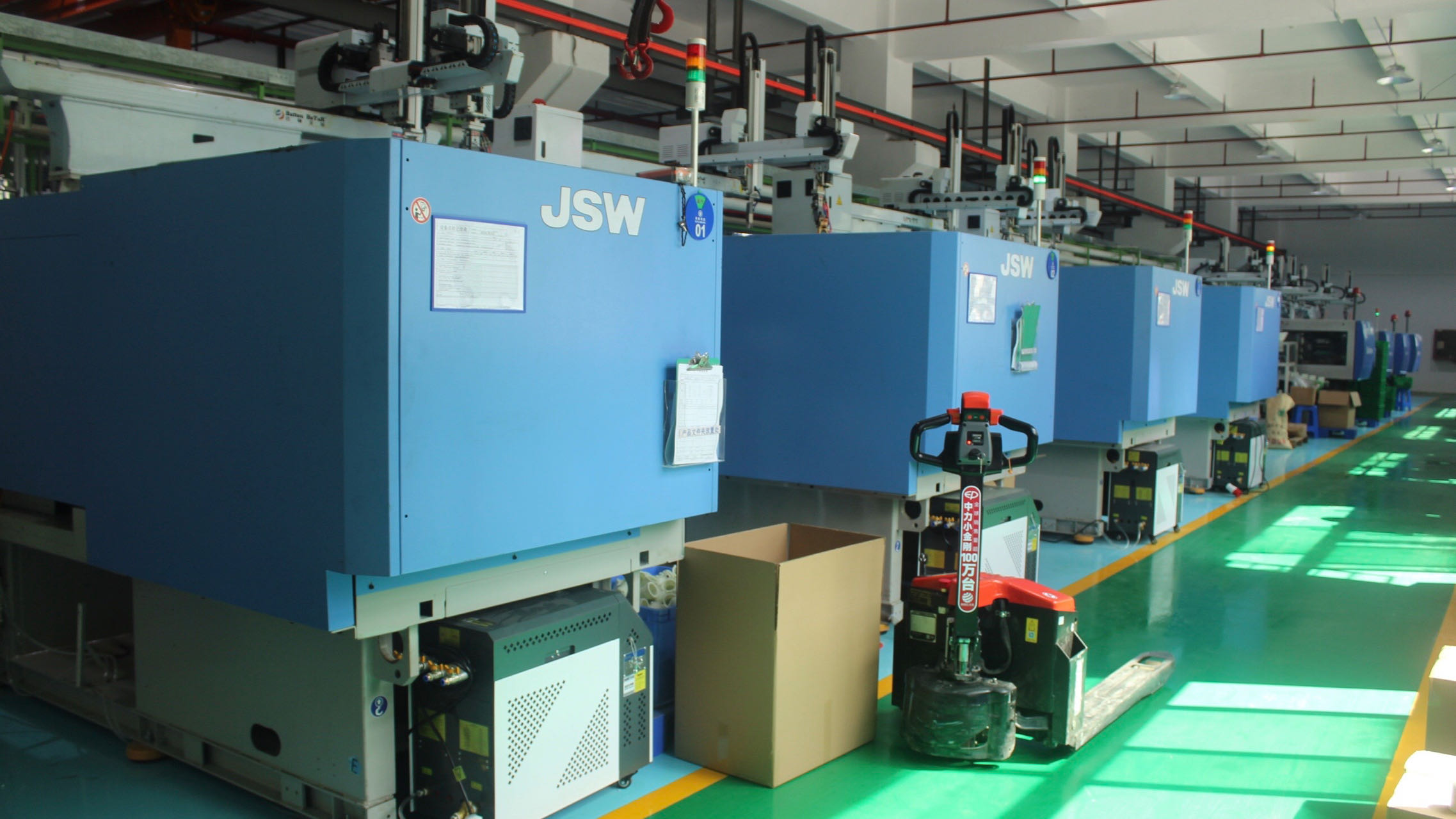
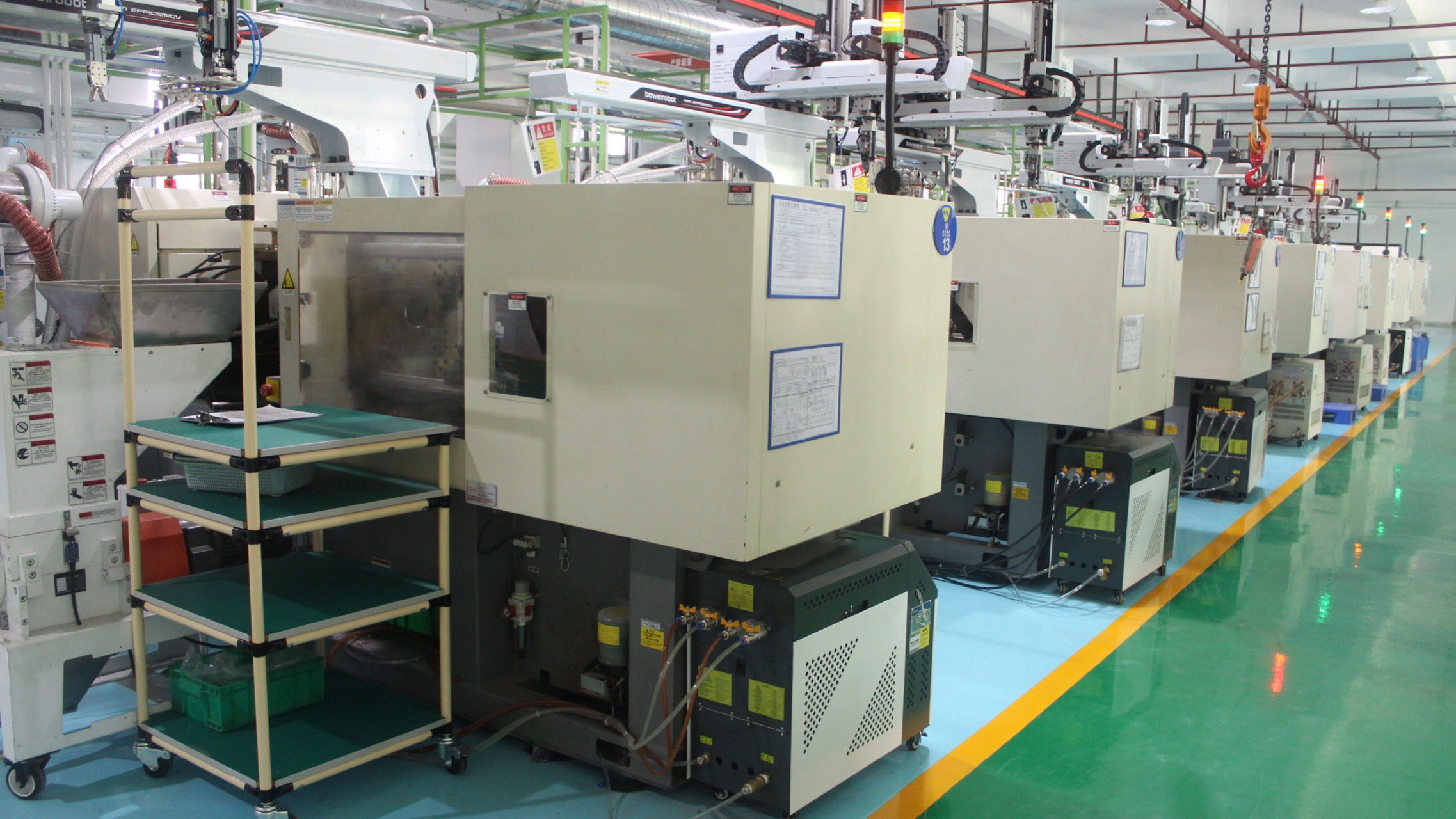
From injection molding of internal motor gears to automatic winding, dynamic balance testing, and slow-feeding NC wire-cutting, everything is handled under one roof. This minimizes supply chain latency, eliminates intermediate markups, and provides complete traceability from raw copper wire to final packaged motor.
A transparent look inside our production workflow ensuring that every sub-assembly performs consistently under continuous load conditions.
 Raw Material
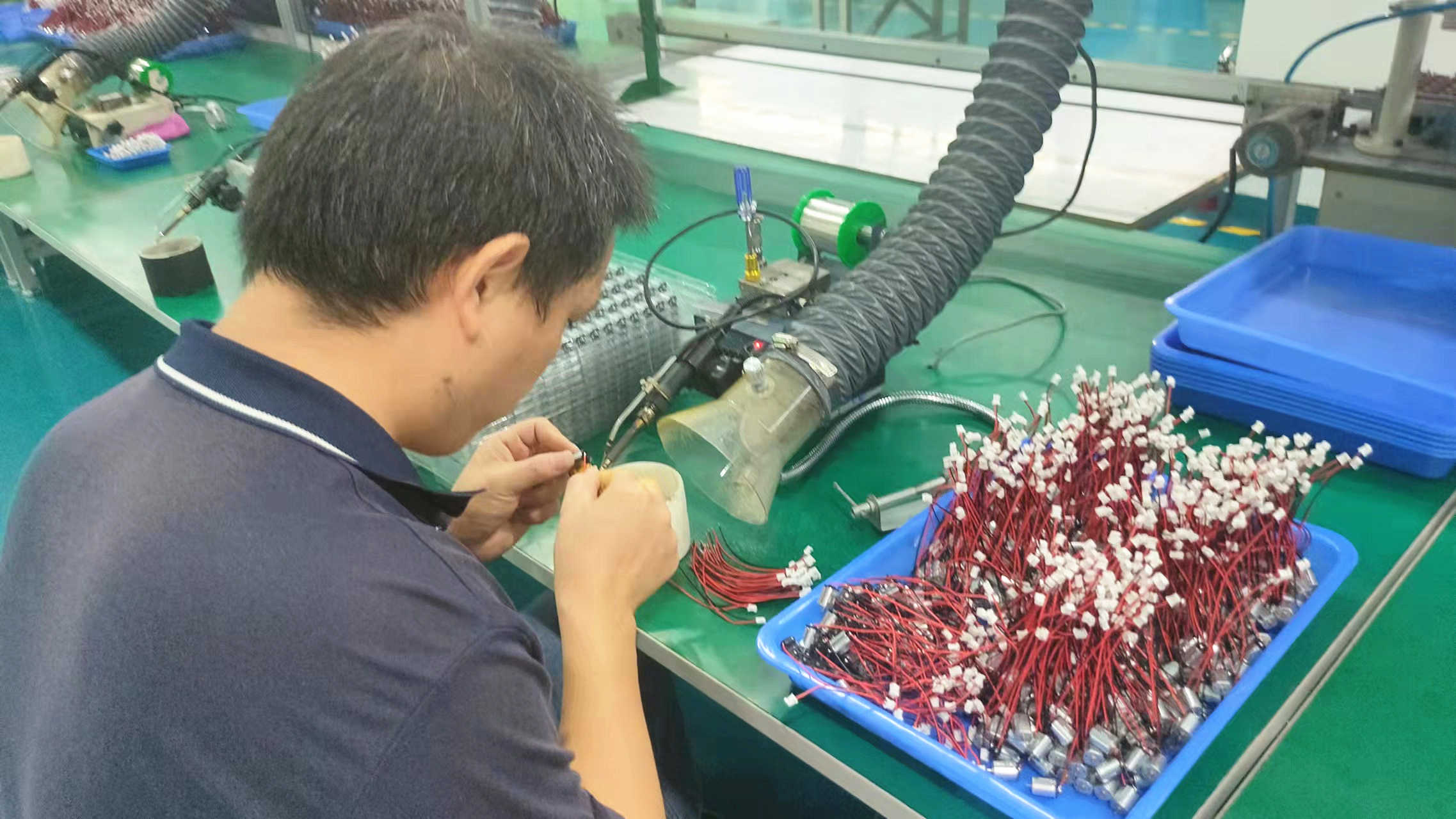 Soldering
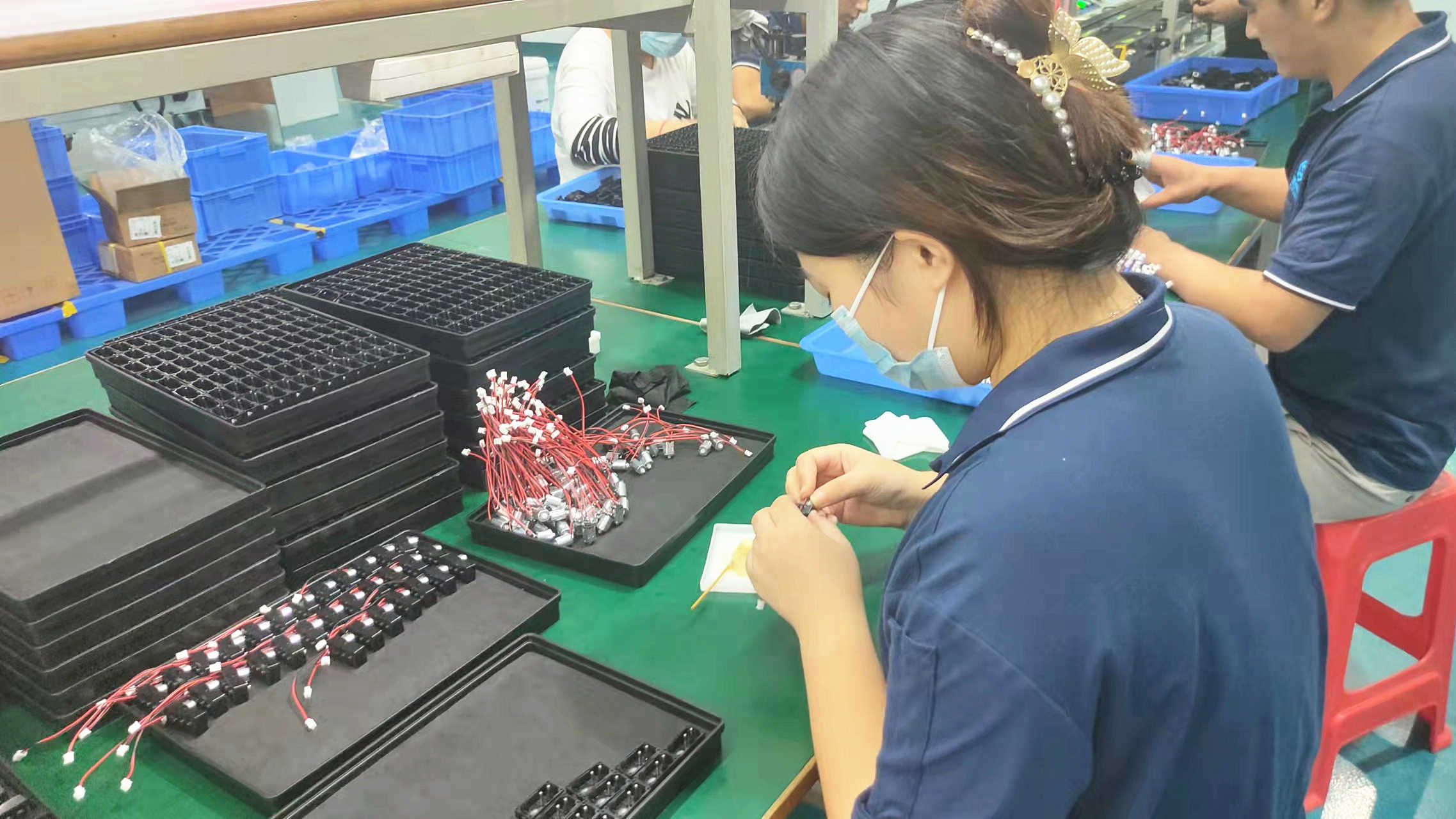 Assembling
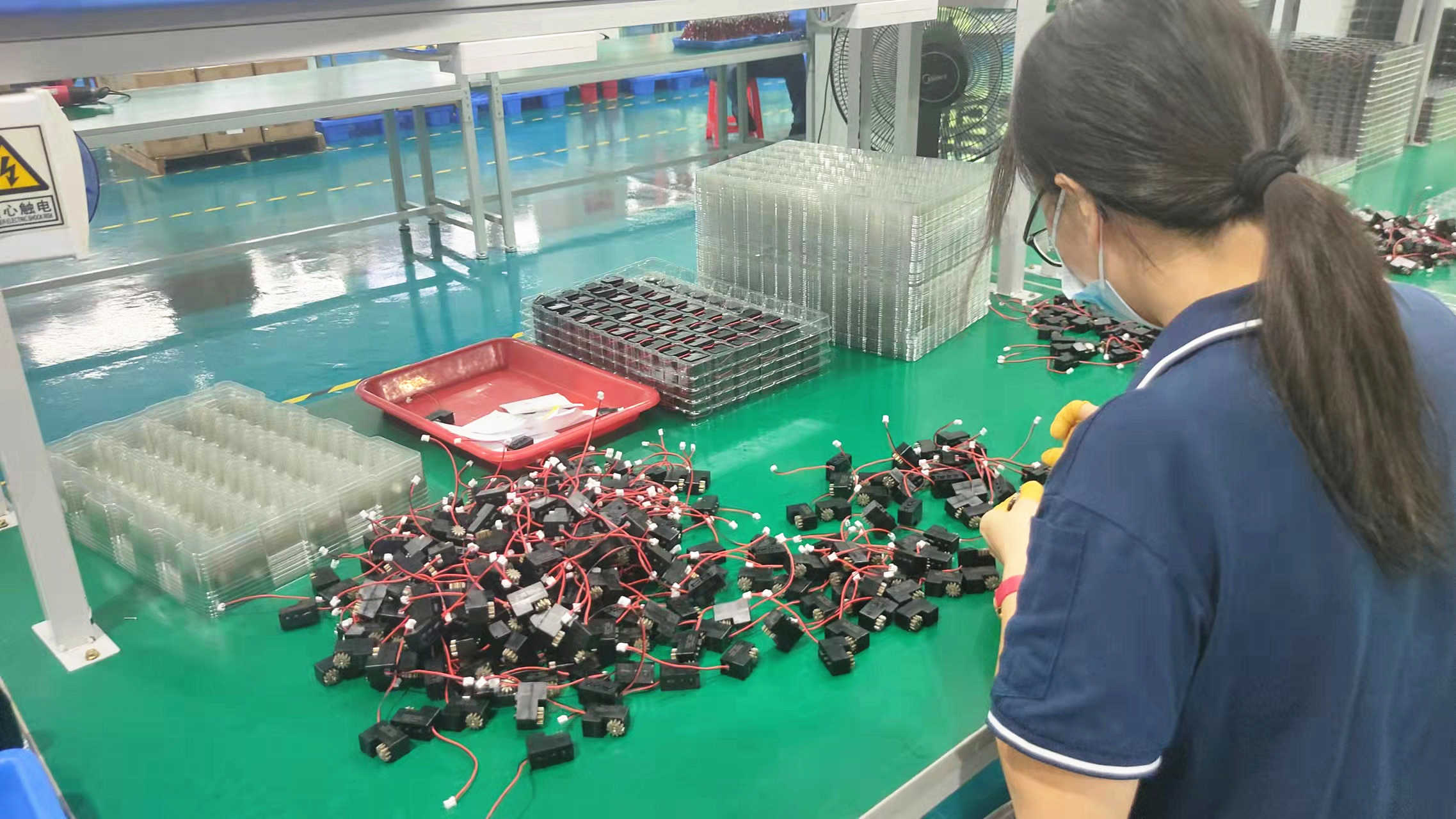 Testing
 Packing
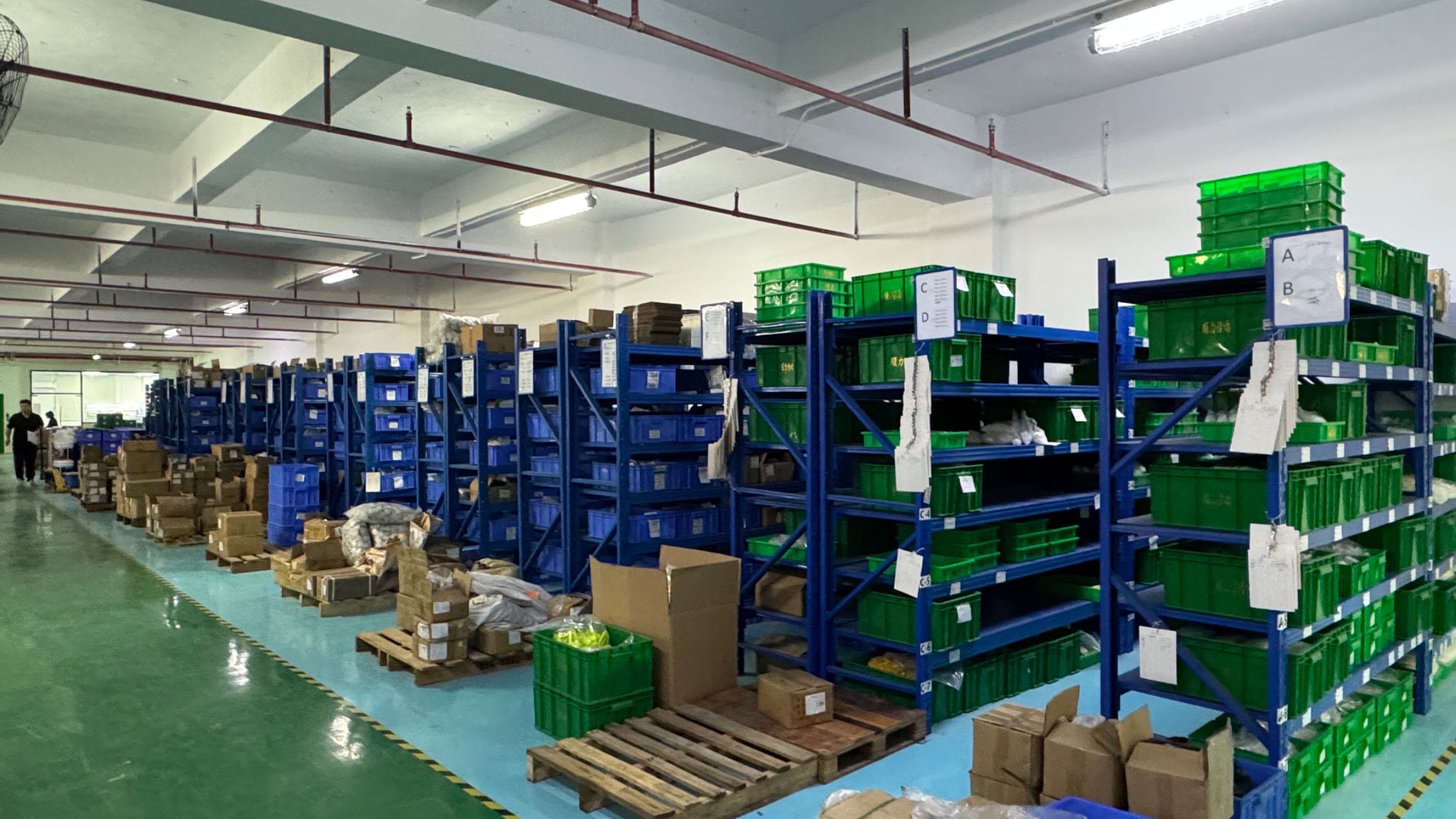
 Storage
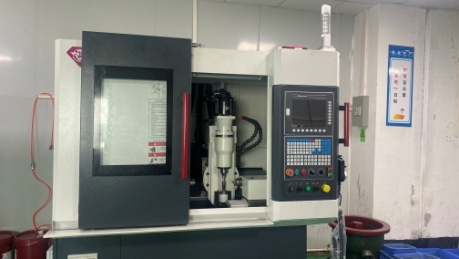
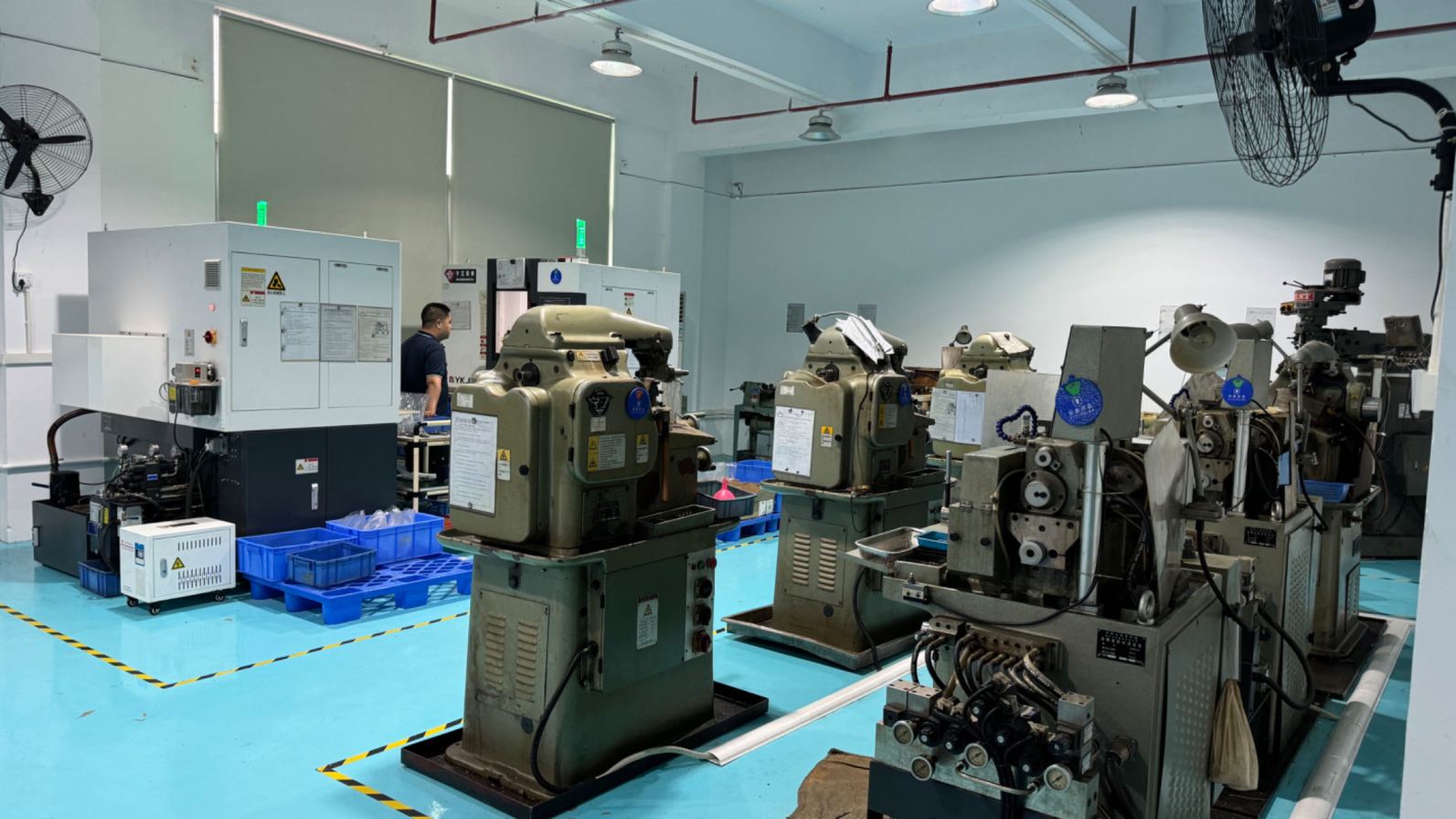
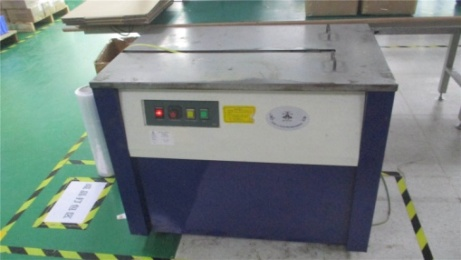
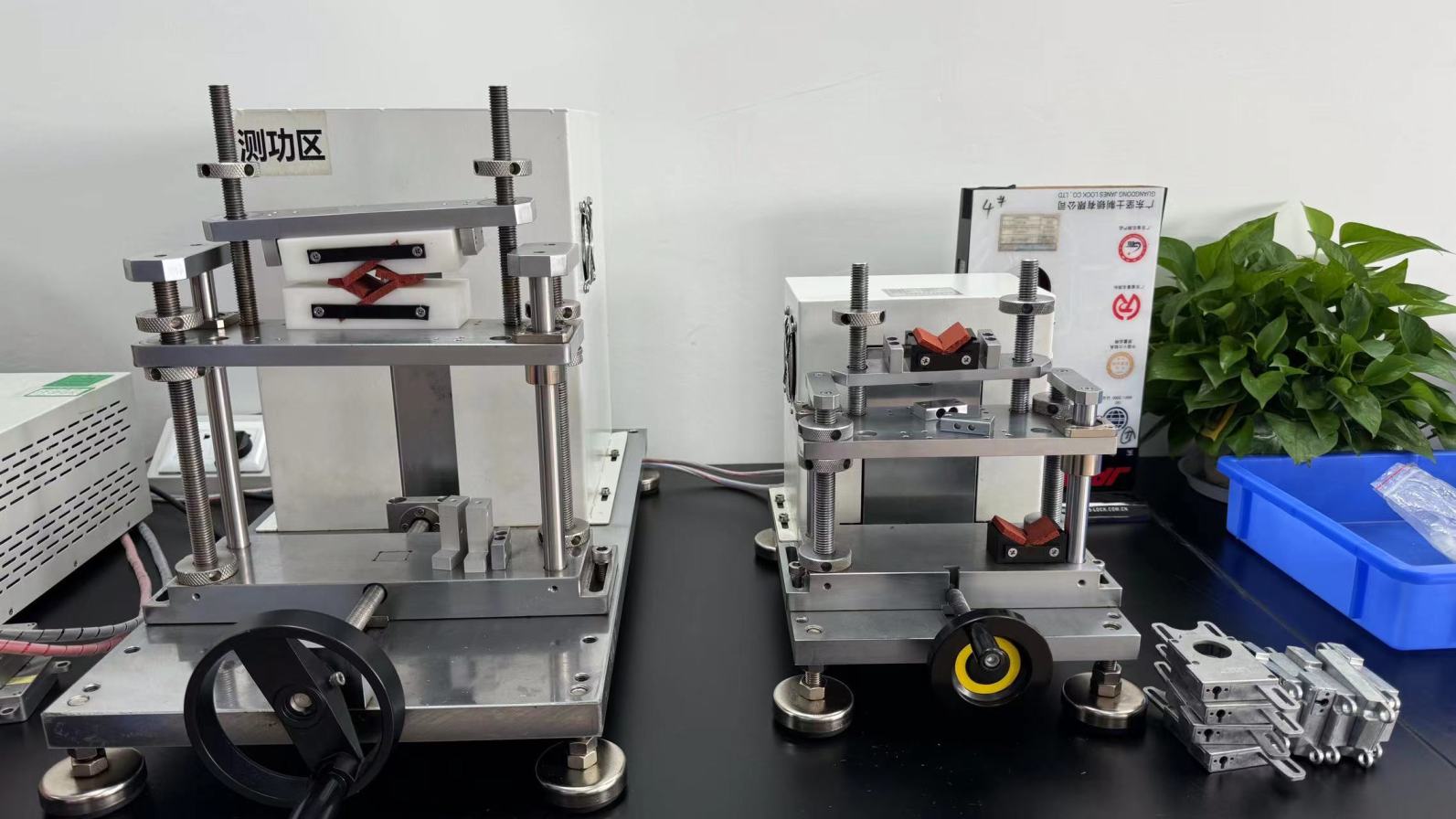
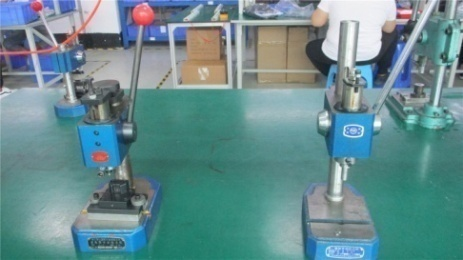
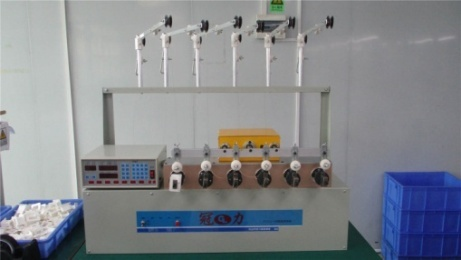
Our workshop is fully outfitted with advanced CNC systems and automation lines to sustain precise, high-rate manufacturing outputs.
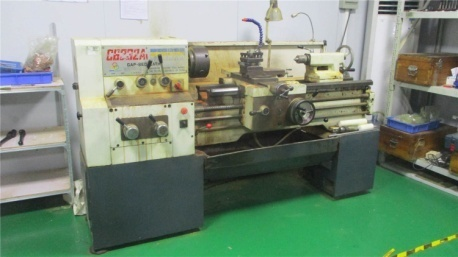
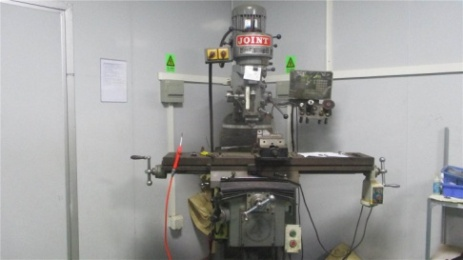
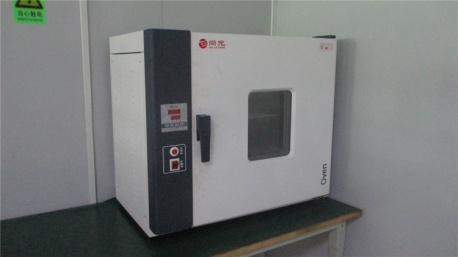
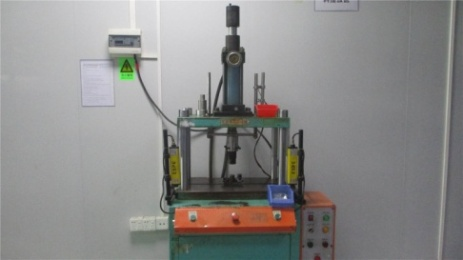
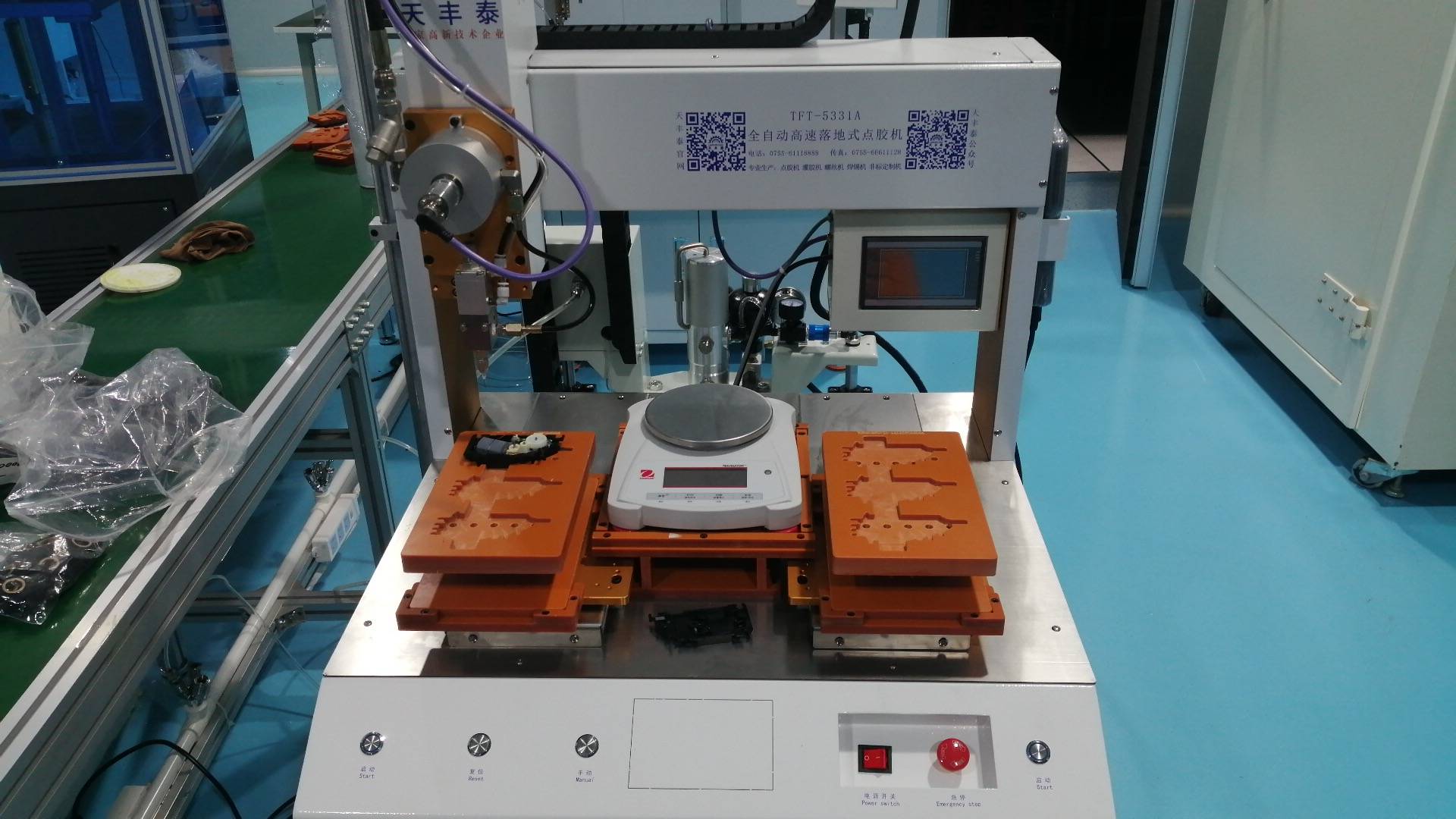
Evaluating advancements in smart motion profiles, closed-loop architectures, and high-efficiency material choices.


Traditional open-loop stepper motors are highly reliable but suffer from step-loss when facing sudden load fluctuations. Industry demands are shifting toward integrated closed-loop stepper systems. By incorporating miniature rotary encoders (magnetic or optical), our custom systems monitor the rotor angle in real-time, correcting positional errors dynamically and eliminating step loss while reducing thermal generation by only consuming current matching the real-time load.
Space constraints in AGVs, collaborative robots, and diagnostic medical gear demand miniaturization. The integration of high-performance drivers directly onto the motor's back plate reduces cabling complexity, attenuates electromagnetic interference (EMI), and provides native support for Fieldbus systems like CANopen, EtherCAT, and Modbus.
Through finite element analysis (FEA), our R&D center optimizes the pole shoe geometries of both hybrid and permanent magnet motors. Minimizing cognitive harmonics and ripple factors delivers smoother operation at slow speeds, reducing mechanical wear on planetary gear tooth configurations and lowering acoustic levels in diagnostic devices.
How our optimized stepper and gearmotor solutions support automated machinery worldwide.
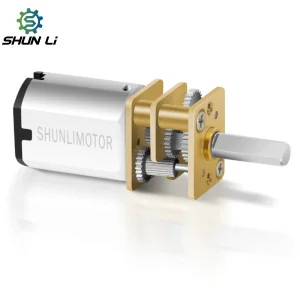
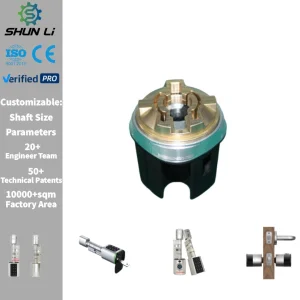
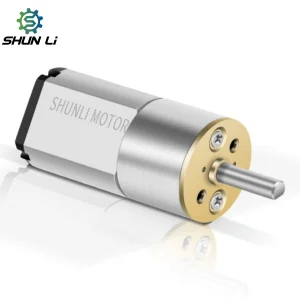
Micro geared stepper motors (such as the JGA12-N20 mini DC series) offer ideal high-torque-to-volume specs for smart home deadbolts, commercial hotel locksets, and bike-sharing locking plates. Built-in reduction gears maintain structural latch integrity and deliver precise locking strokes under variable friction conditions.
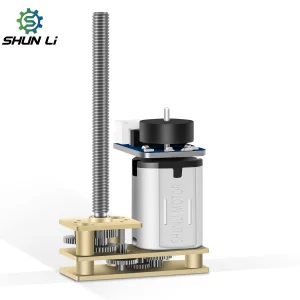
In syringe pumps, liquid handling stations, and diagnostic instrumentation, our micro-steppers act as the core control component. Paired with high-precision lead screws, they resolve fluidic dispense profiles down to the nanoliter scale, proving crucial for medical safety and diagnostics accuracy.
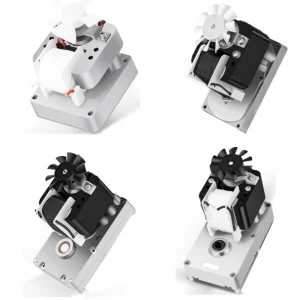
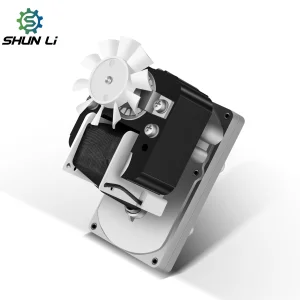
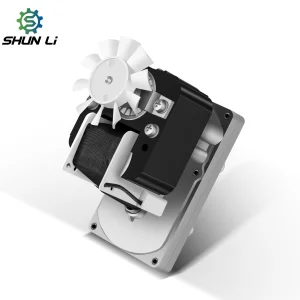
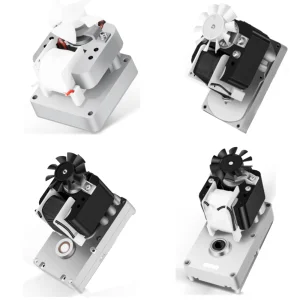
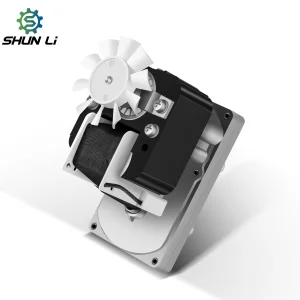
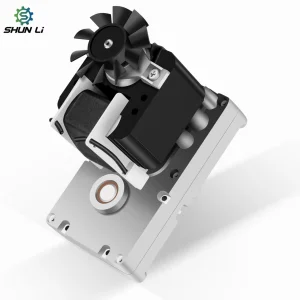
Pellet stoves, commercial ovens, grill rotisseries, and air ventilation dampers require high torque at low rotation rates. Our specialized shaded-pole gearmotors and heavy-duty planetary gearheads handle continuous thermal strain, maintaining reliable duty cycles even under elevated ambient heat.
Beyond individual component supply, global purchasing managers seek fully consolidated sub-assemblies. TTM Motor designs and builds pre-aligned linear actuator components, including integrated linear guides, precision ball screws, custom drive circuits, and absolute feedback units.
By delivering integrated modules that plug directly into our customer's assembly lines, we reduce mechanical stack-up tolerances, simplify incoming QC procedures, and expedite time-to-market metrics for new machinery rollouts.
Ensuring compliance with structural tolerances, environmental durability, and operational noise thresholds before final shipment.
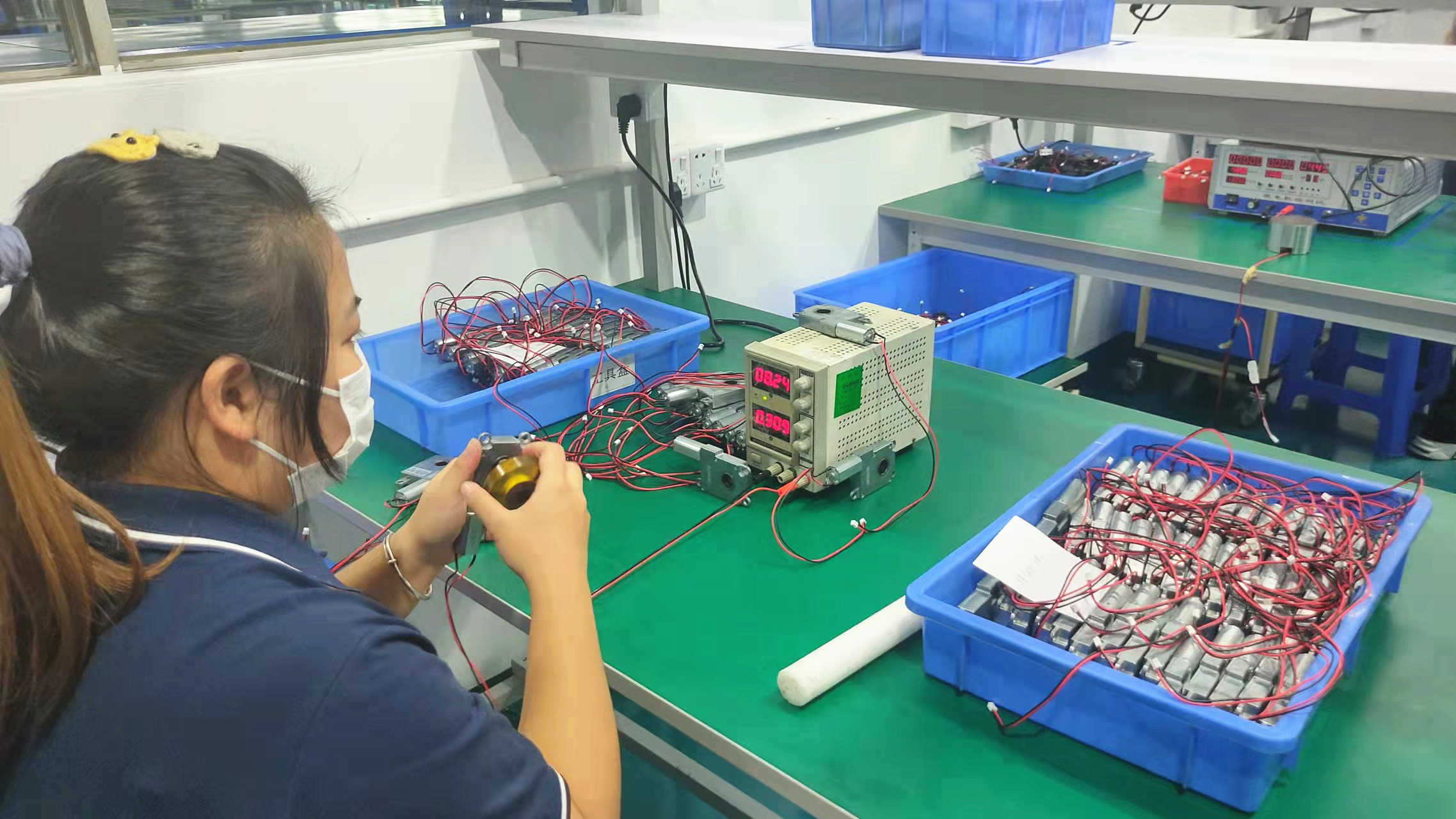
Every batch of motors undergoes dynamic performance mapping, testing insulation resistance, winding inductance, rotor alignment, and cogging torque. We deploy specialized testing rooms, including fully isolated soundproof chambers, to verify that acoustic emissions remain below strict thresholds for medical and consumer devices.
Furthermore, salt spray chambers and climate boxes subject our customized drivetrains to harsh corrosive atmospheres and thermal shock. This comprehensive testing suite guarantees that TTM Motor units operate reliably over long service lifetimes.
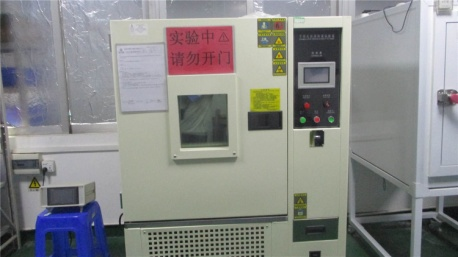 Constant Temp & Humidity Chamber
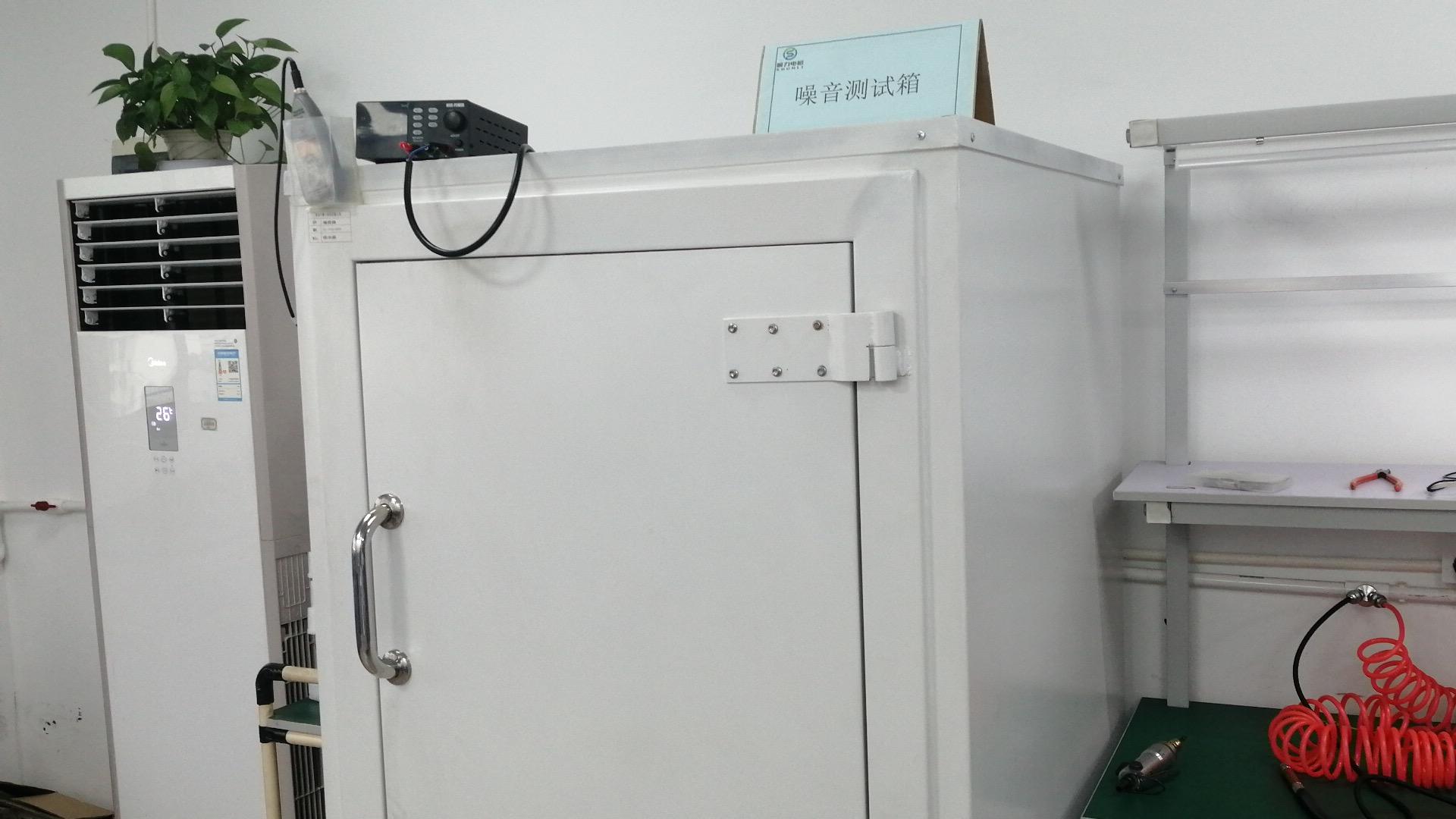 Noise Testing Chamber
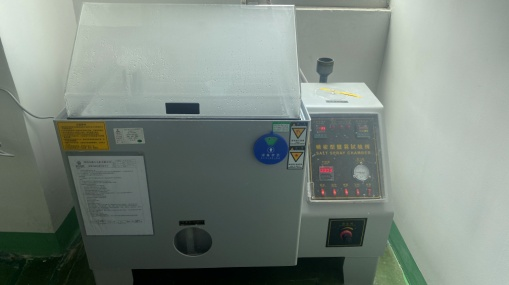 Salt Spray Testing Machine
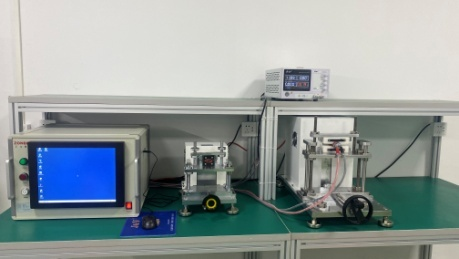 Dynamometer Machine
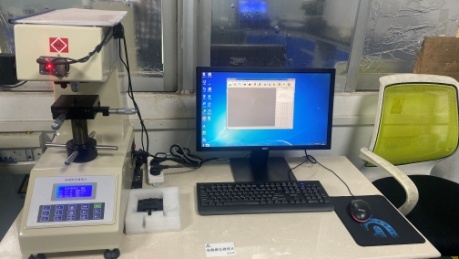 Hardness Tester
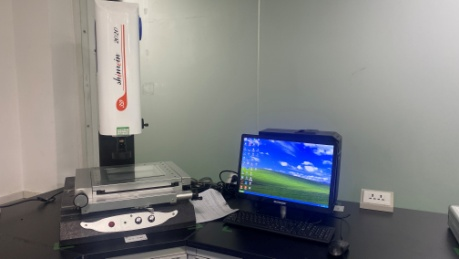 Video Measuring Instrument
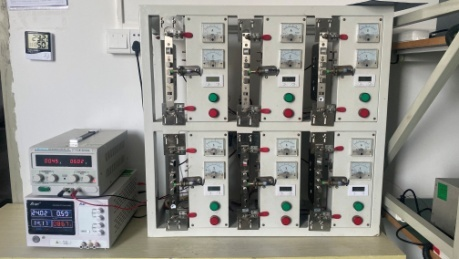 Aging Shelf
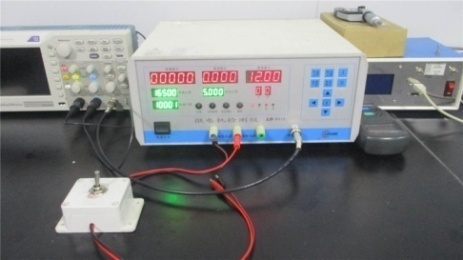 Motor Testing Machine
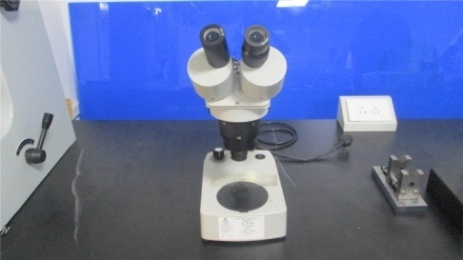 Microscope
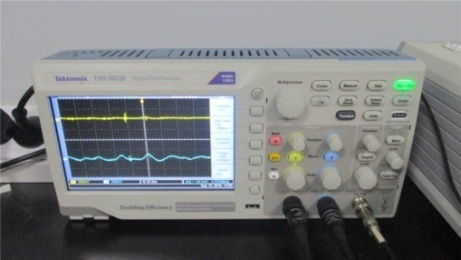 Digital Oscilloscope
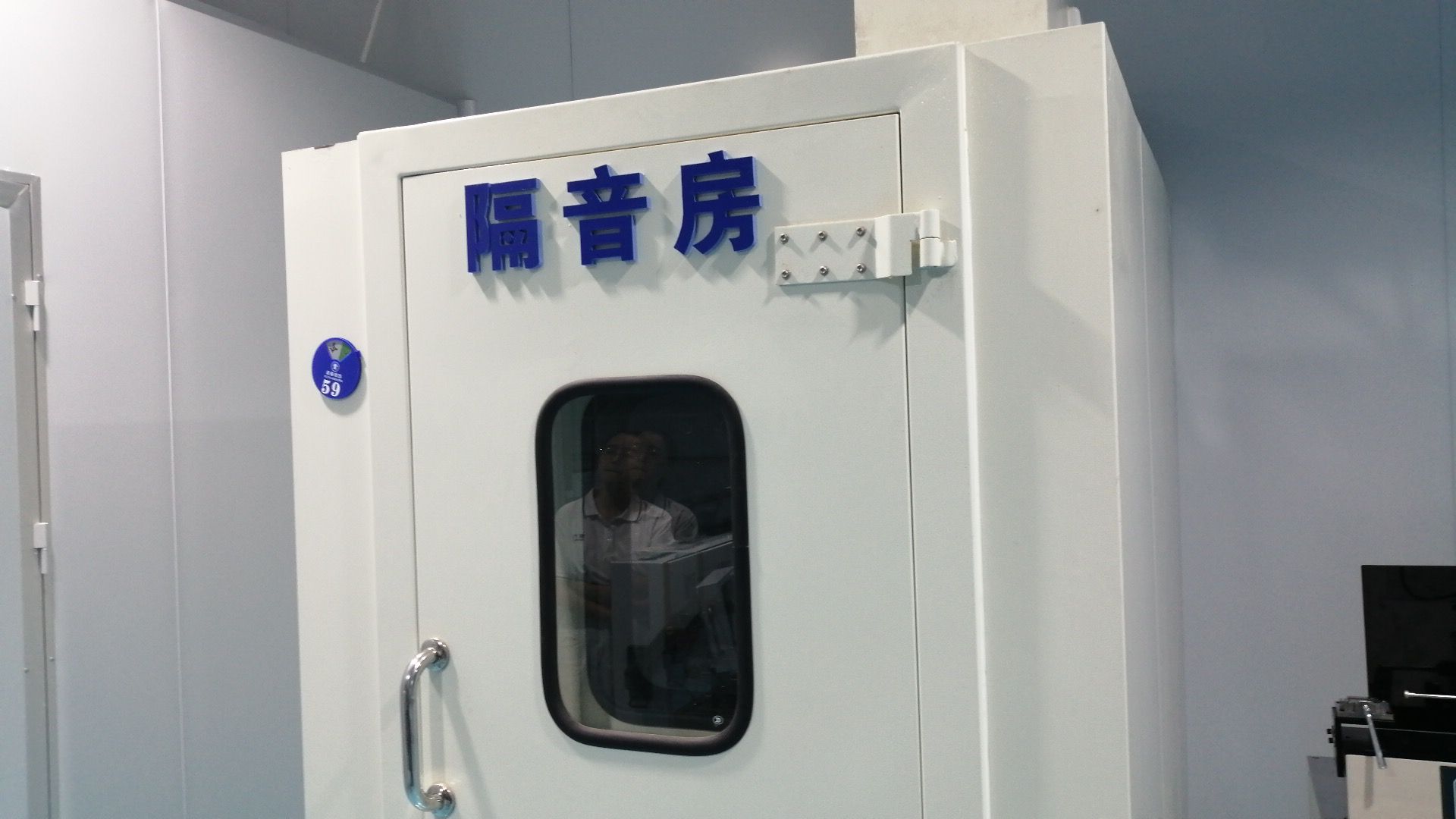 Soundproof Room
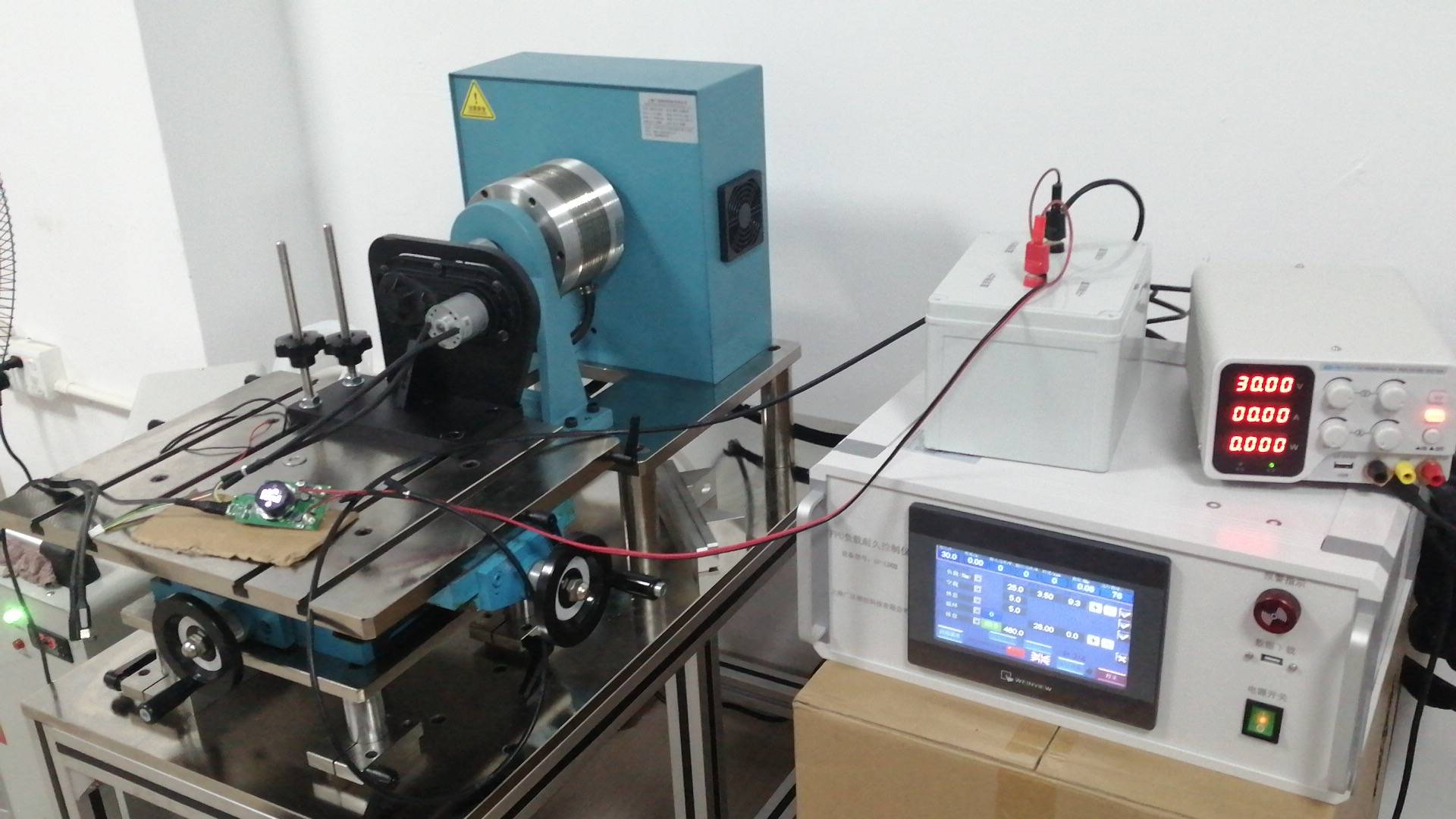 Magnetic Powder Tester
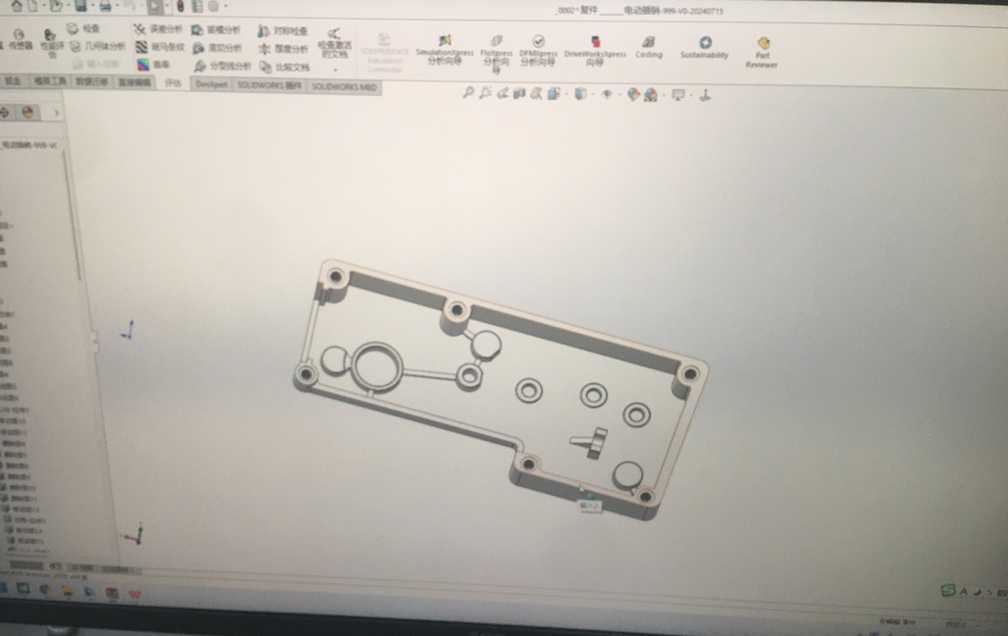 Design Office
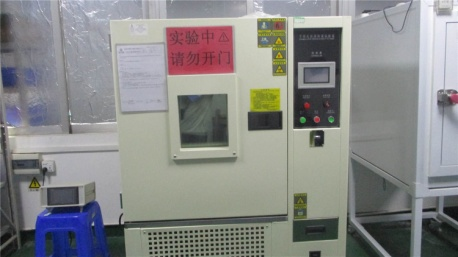 Environmental Chamber
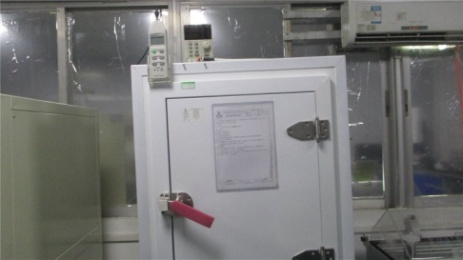 Noise Test Lab
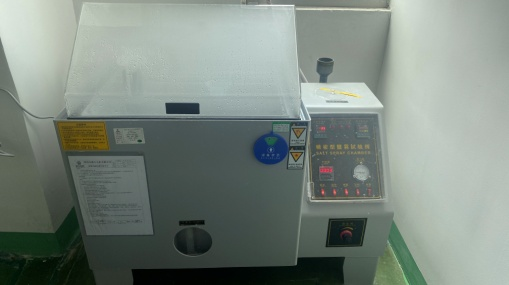 Salt Spray Chamber
How technical directors and procurement managers navigate supplier validation, tooling risks, and lifetime support parameters.
For global OEMs, selecting a stepper motor supplier goes beyond pricing lists. True cost of ownership depends on failure rates, integration agility, and production consistency. Sourcing managers evaluate critical aspects, including:
TTM Motor addresses these requirements with a transparent R&D cycle. We supply detailed performance curves, temperature profile test reports, and CAD/3D step files, helping hardware designers test mechanical fittings before production begins.
Answers to common mechanical questions asked by system design engineers and procurement specialists.
Explore our complete product lineup, including heavy-duty brushless configurations, mini geared locks, and AC shaded-pole drives.
 TTM Motor