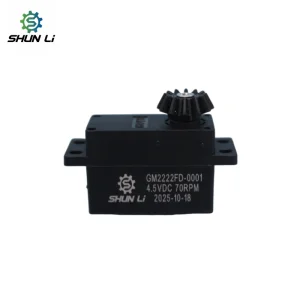
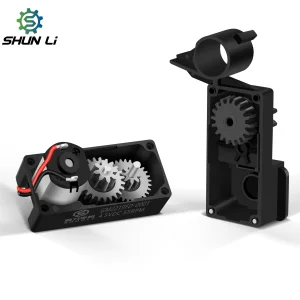
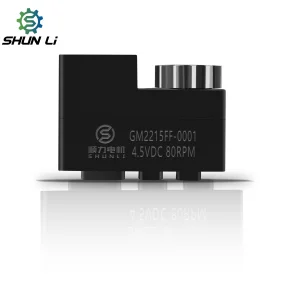
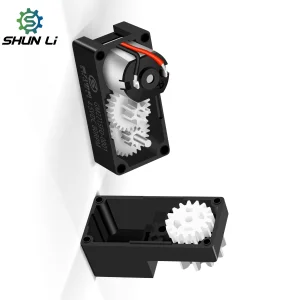
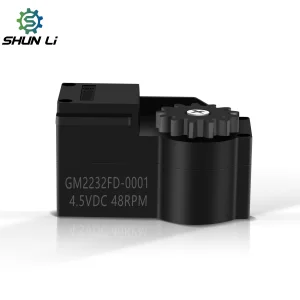
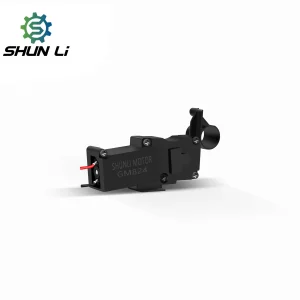
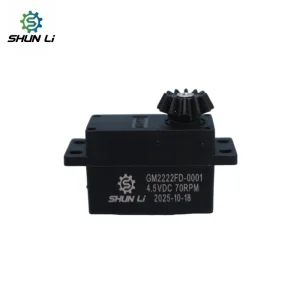
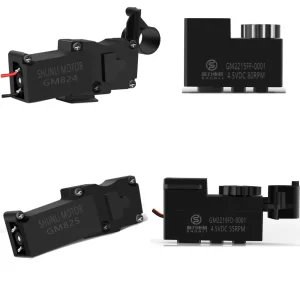
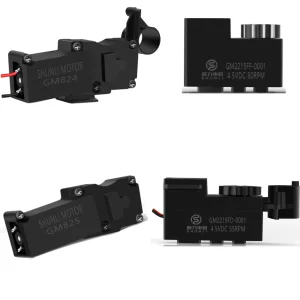
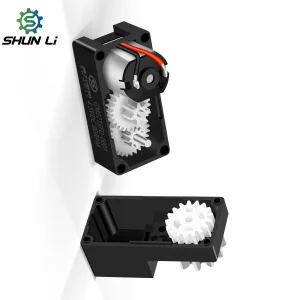
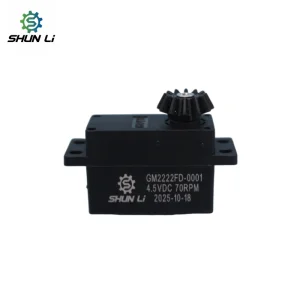
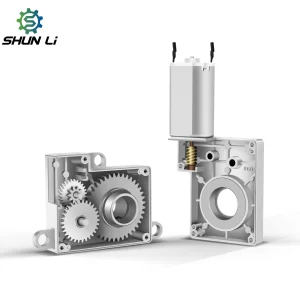
Advanced Micro-Geared Actuators Customized for Low-Voltage Battery Applications and Ultra-Compact Door Mortises.
The electronic and smart lock landscape in Japan is defined by ultra-strict architectural specifications, high spatial constraints, and a deep-seated public expectation of absolute zero-failure rates. Over the past decade, urban density in major Japanese metro areas like Tokyo, Yokohama, and Osaka has necessitated the optimization of residential mortise envelopes. As architectural hardware shifts towards IoT-connected keyless solutions, the micro DC motor has emerged as the critical single point of failure in electronic mortises.
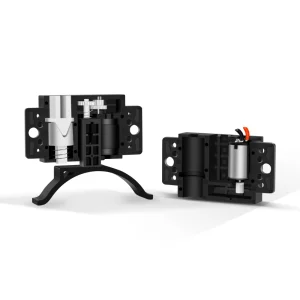
Unlike Western markets where smart lock designs frequently sit externally over existing thumbturns, Japanese lock manufacturers (such as Miwa Lock, Goal, and Alpha) traditionally integrate smart actuators directly inside the structural mortise assembly. This calls for exceptionally low profile gearboxes and micro motors that deliver extreme radial and axial load resistance. Furthermore, compliance with JIS (Japanese Industrial Standards) demands that residential door locking components sustain up to 300,000 to 500,000 actuation cycles without mechanical degradation.
At TTM Motor, we have tailored our research and development specifically to meet these expectations. Japanese suppliers require motors that maintain constant torque output under fluctuating voltages—a common symptom of aging lithium or alkaline batteries. Our customized micro motors operate seamlessly from 2.5V to 12V configurations, yielding high starting torques within fractions of a second to prevent mechanism jam-ups caused by door misalignment or atmospheric warp.
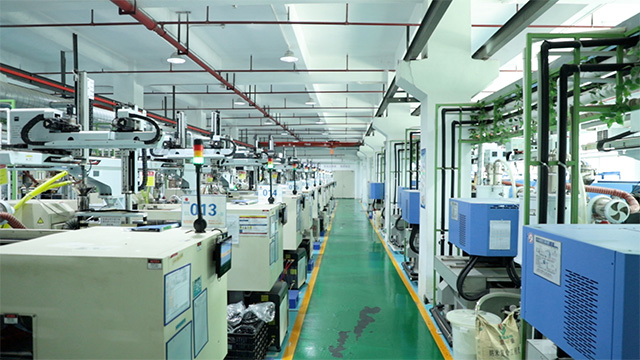
How we design smart lock actuators to achieve maximum power efficiency, noise minimization, and thermal threshold management.
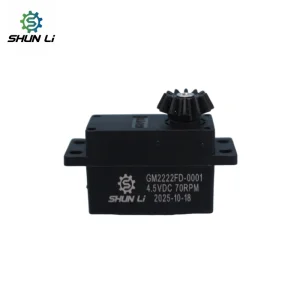
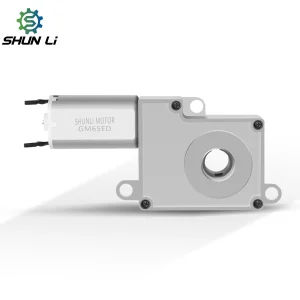
The core challenge of engineering a motor for electronic locks lies in balancing torque output with dynamic current limitations. Standard smart locks run on 4x AA alkaline batteries, which drop from 6.0V nominal to approximately 4.0V under load as they approach end-of-life. Our Custom 4.5V DC Low-RPM Gear Motors are specifically wound to optimize the stall torque-to-current ratio, ensuring that the motor can easily overcome up to 3.0 kg.cm of lock-bolt friction while drawing less than 1.5 Amperes at peak.
For smart locks with brief duty cycles, we utilize precious metal commutators (gold/silver alloy) that provide exceptionally low electrical noise, minimal contact resistance, and a low startup voltage (often below 1.0V). For heavier industrial locking mechanisms used in high-frequency commercial entrances in Tokyo office complexes, we offer carbon brush configurations that sustain higher current densities and yield lifespans exceeding half a million actuations.
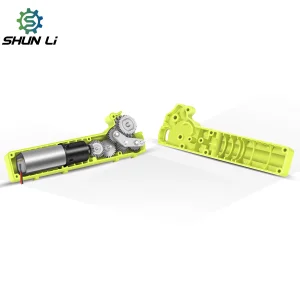
Sound isolation is critical in quiet Japanese apartment blocks (Mansion style). A high-pitched motor whine during late-night entry is unacceptable. To solve this, TTM Motor engineers use specialized, low-backlash planetary gearboxes and precision-machined spur gears. By integrating noise testing chambers into our quality control line, we ensure the acoustic footprint of our gear motors is kept under 35dB at a distance of 30cm.
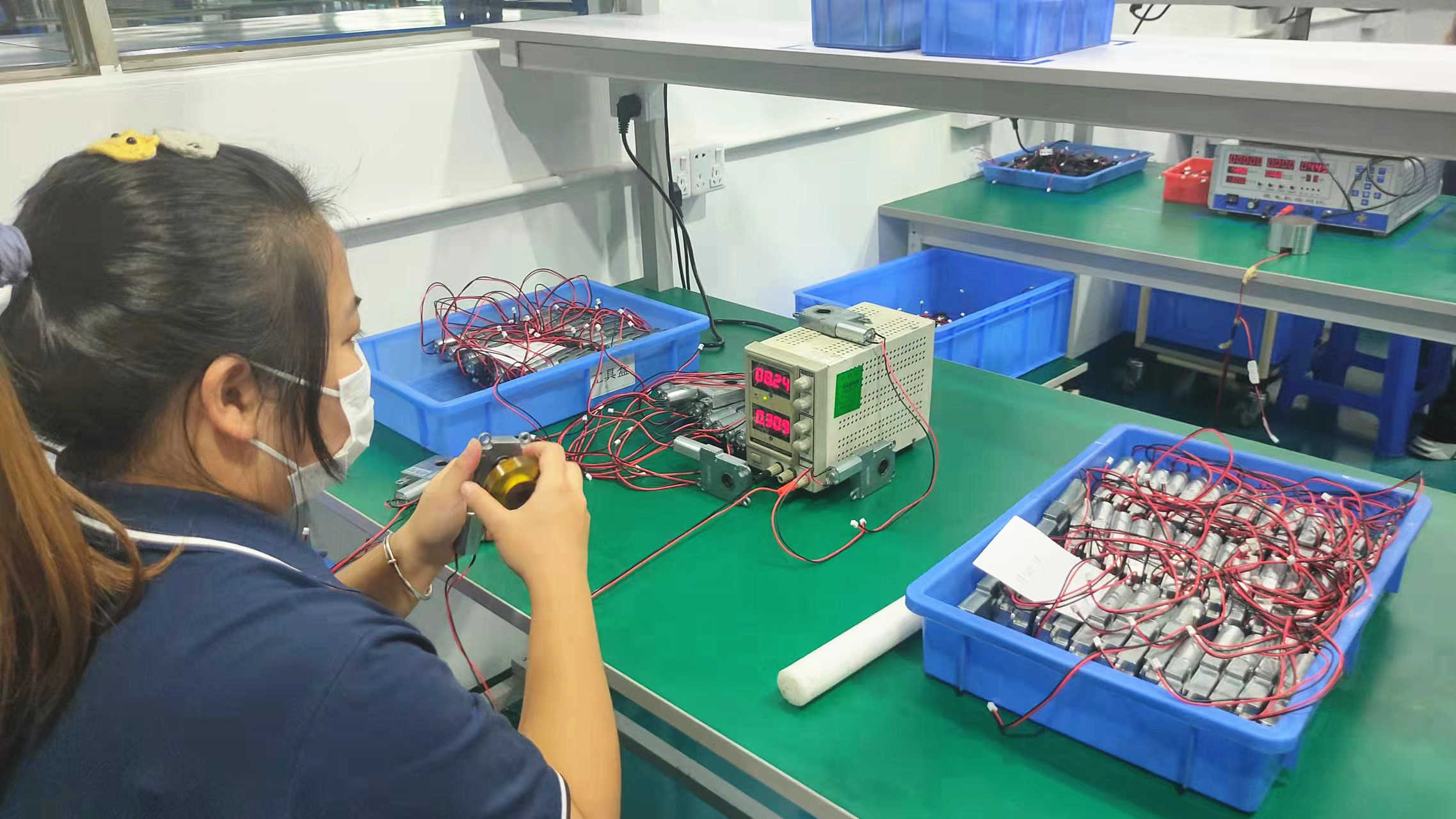
Every step of our production workflow is monitored to ensure Japanese clients receive zero-defect delivery batches.
 Raw Material
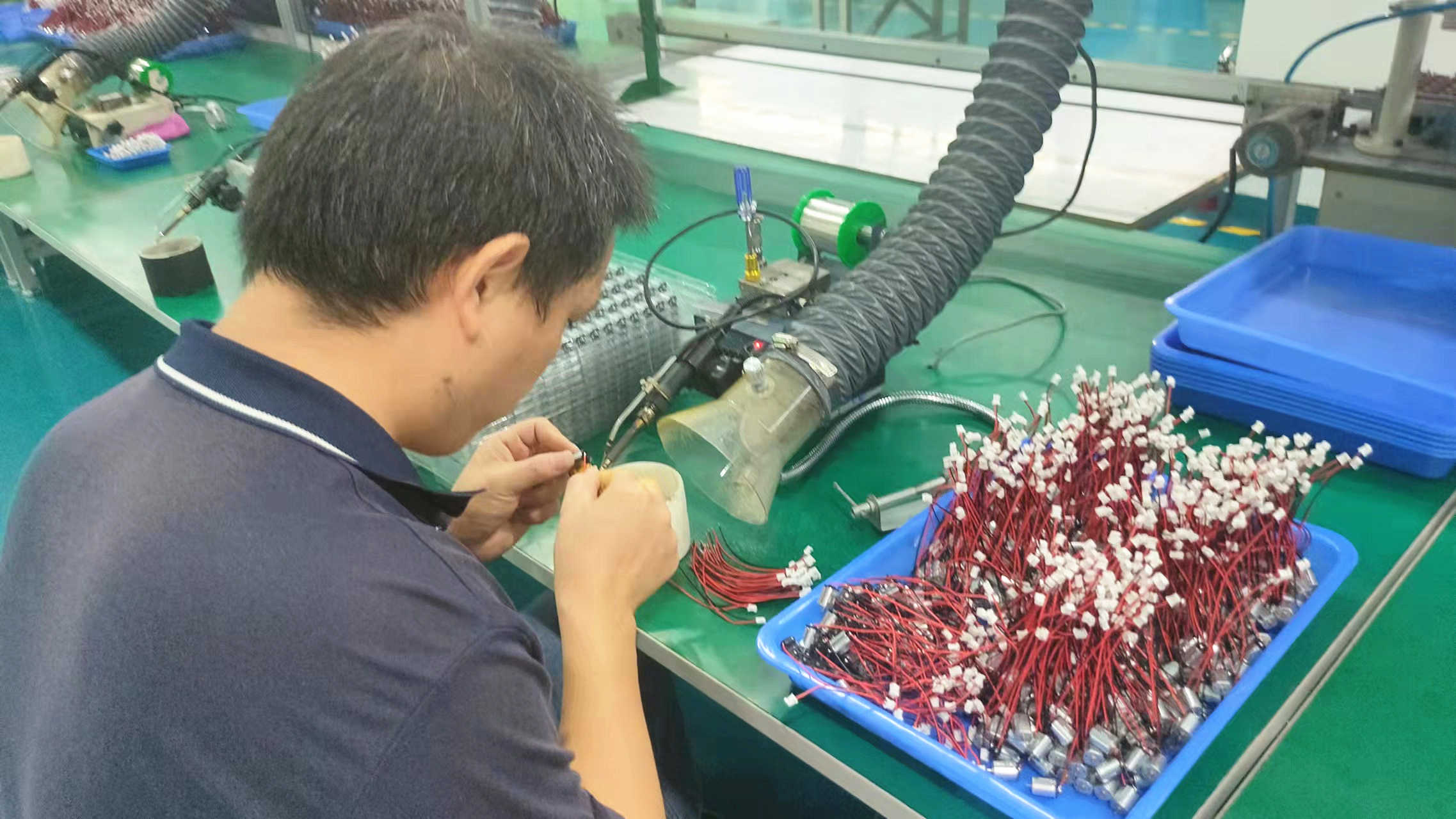 Soldering
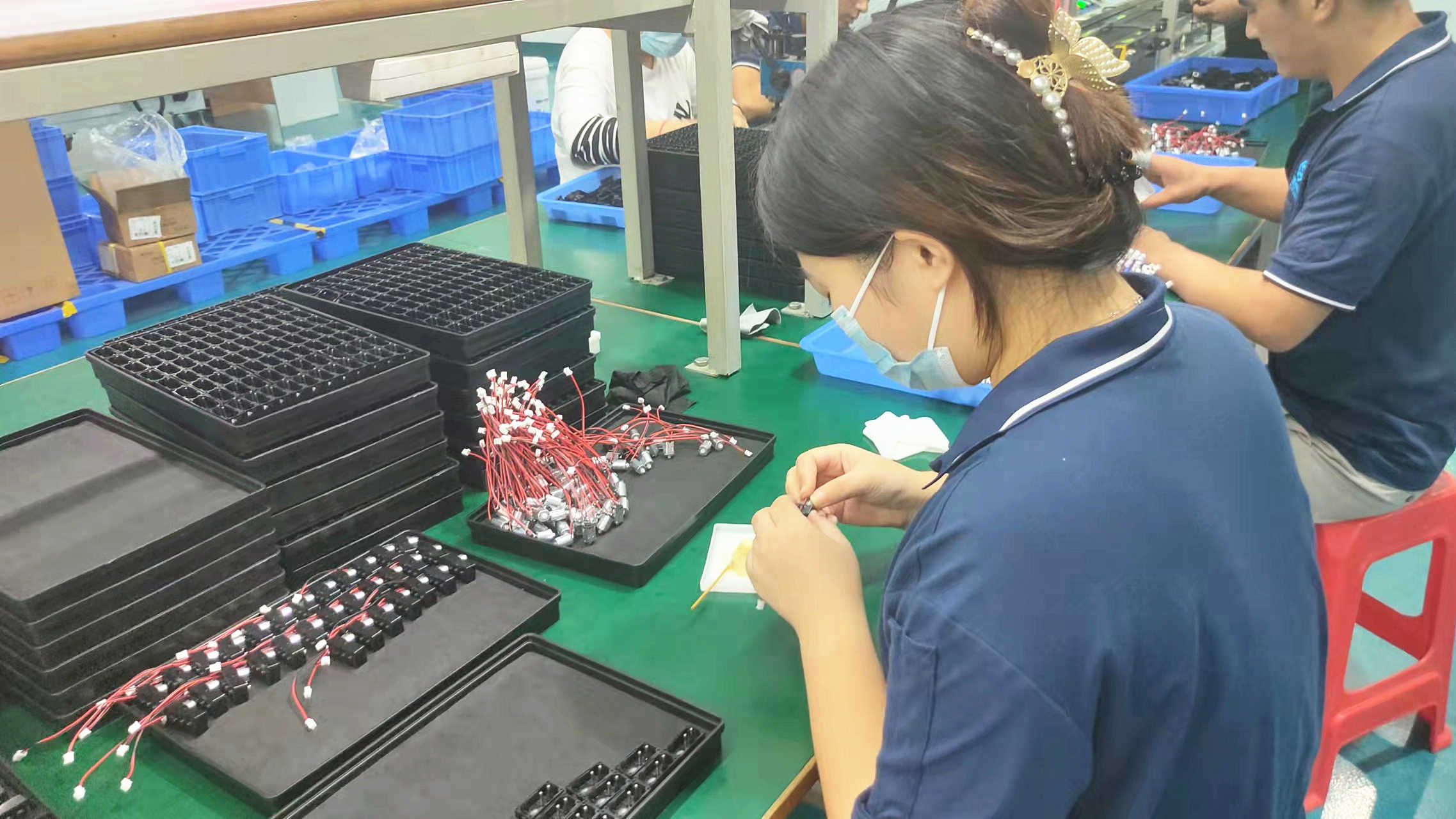 Assembling
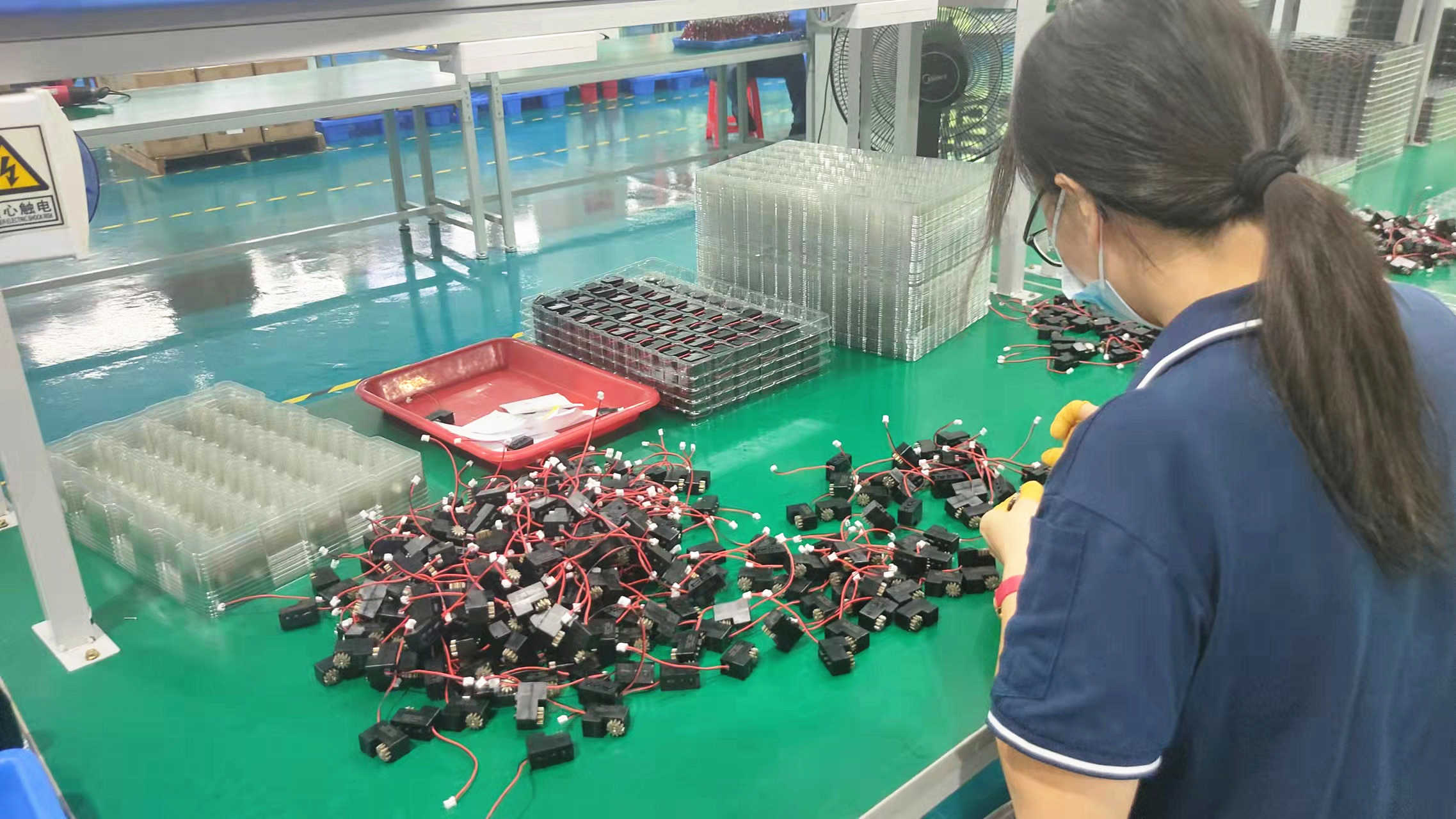 Testing
 Packing
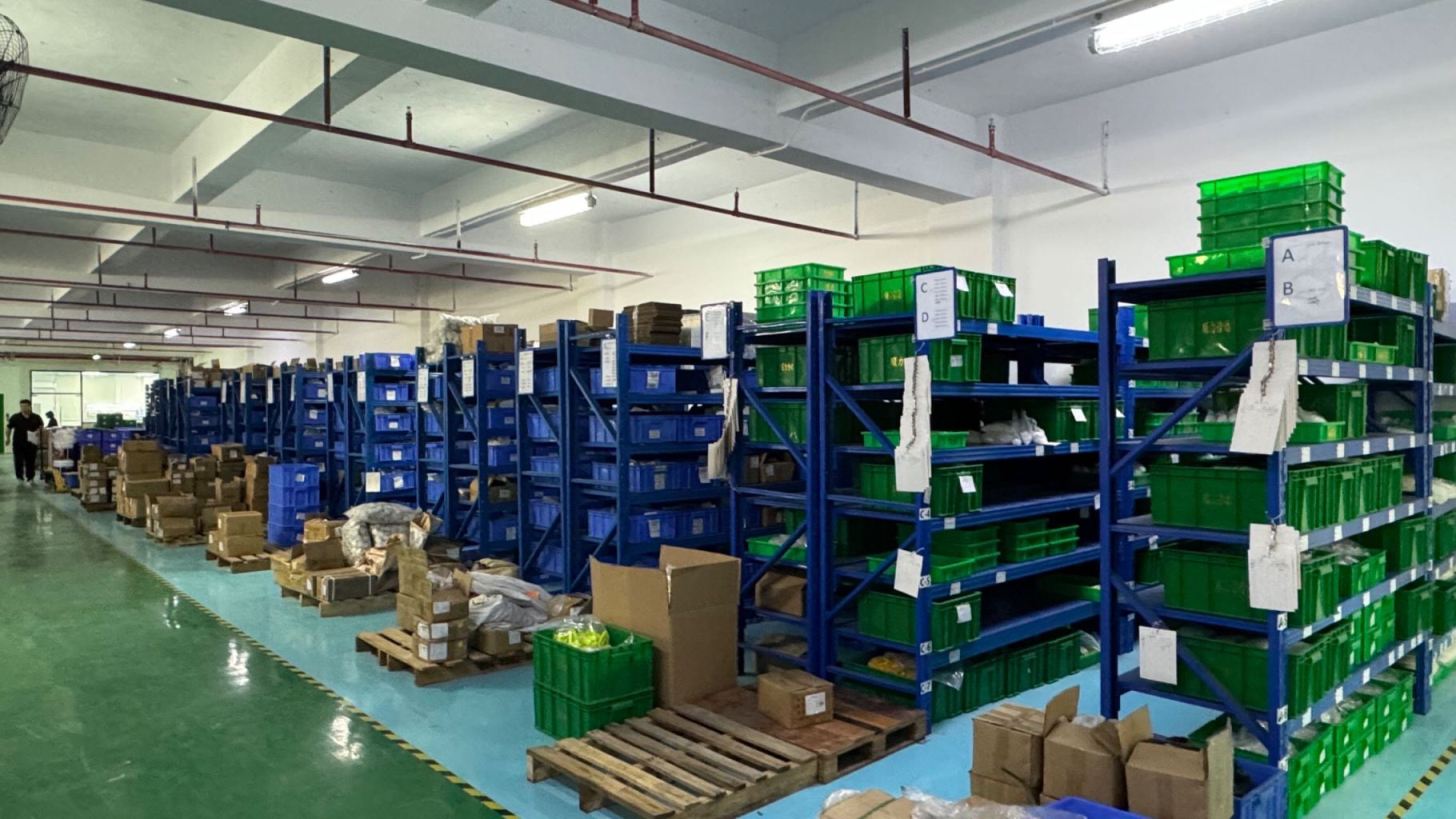 Storage

TTM Motor operates a state-of-the-art facility equipped with precision tooling to achieve absolute repeatability for high-volume orders. To cater to Japanese importers and OEM lock system builders, we have deployed specialized tooling machinery including Ningjiang Machine Tools, CNC Lathing & Milling setups, and High Precision Horizontal Gear Hobbing Machines. High-precision gear cutting guarantees that gear tooth profiles have a surface roughness rating that minimizes wear and power loss over extended use cycles.
Our engineering ecosystem combines high-precision manufacturing with strict quality gates. Our Slow-feeding NC Wire-cut EDM and traditional spark EDM machines allow us to prototype and manufacture stamping molds for gear cages and bracket structures in-house, compressing custom sample lead times down to 14 days. By leveraging a local robust component supply chain alongside advanced automated machinery, we mitigate materials cost fluctuations and safeguard supply schedules from global disruption risks.
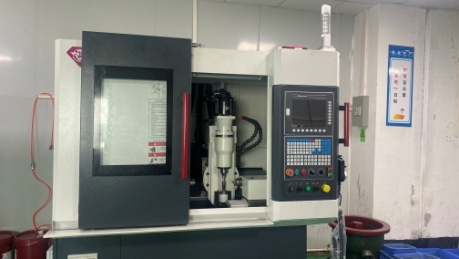 NINGJIANG MACHINE TOOL
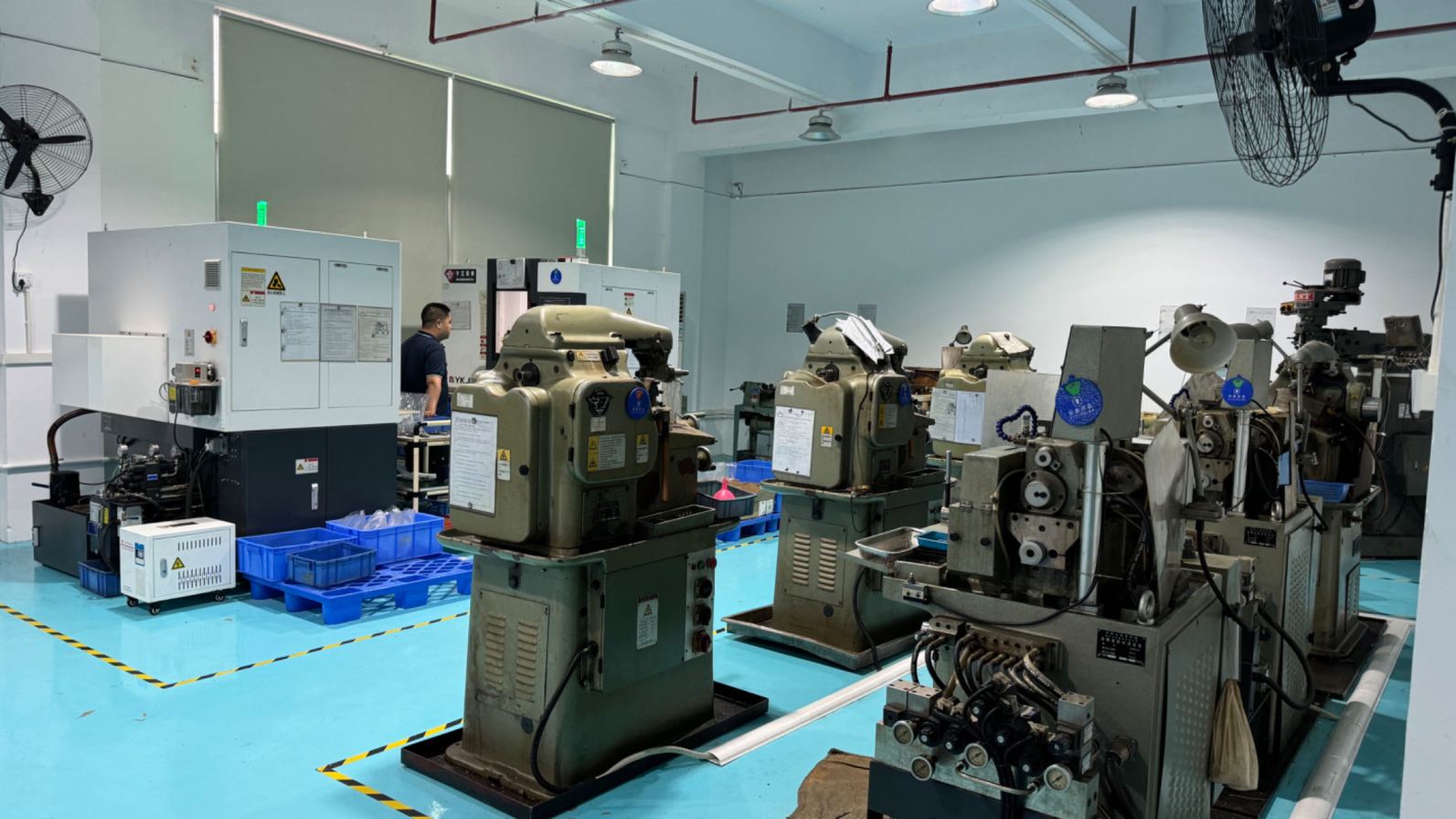 Precision Hobbing Machine
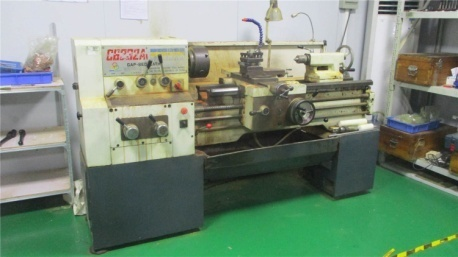 Lathing Machine
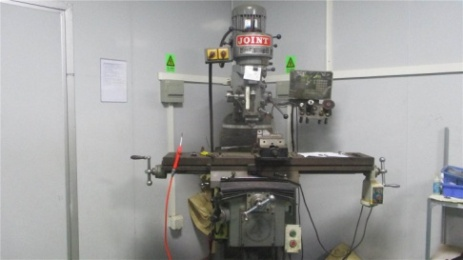 Milling Machine
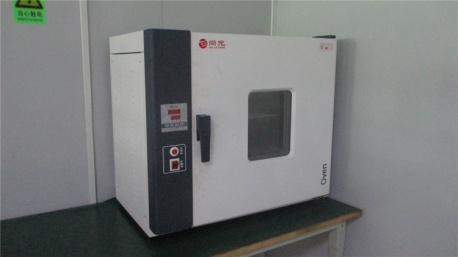 Drying Oven
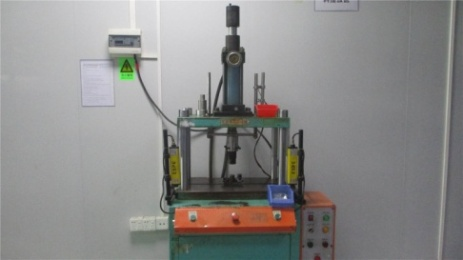 Automatic Gear Riveter
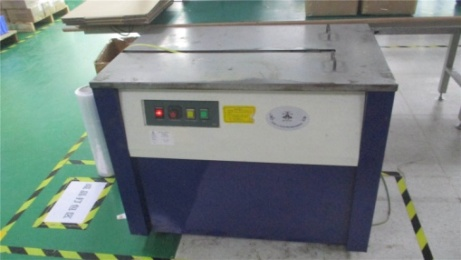 Packing Machine
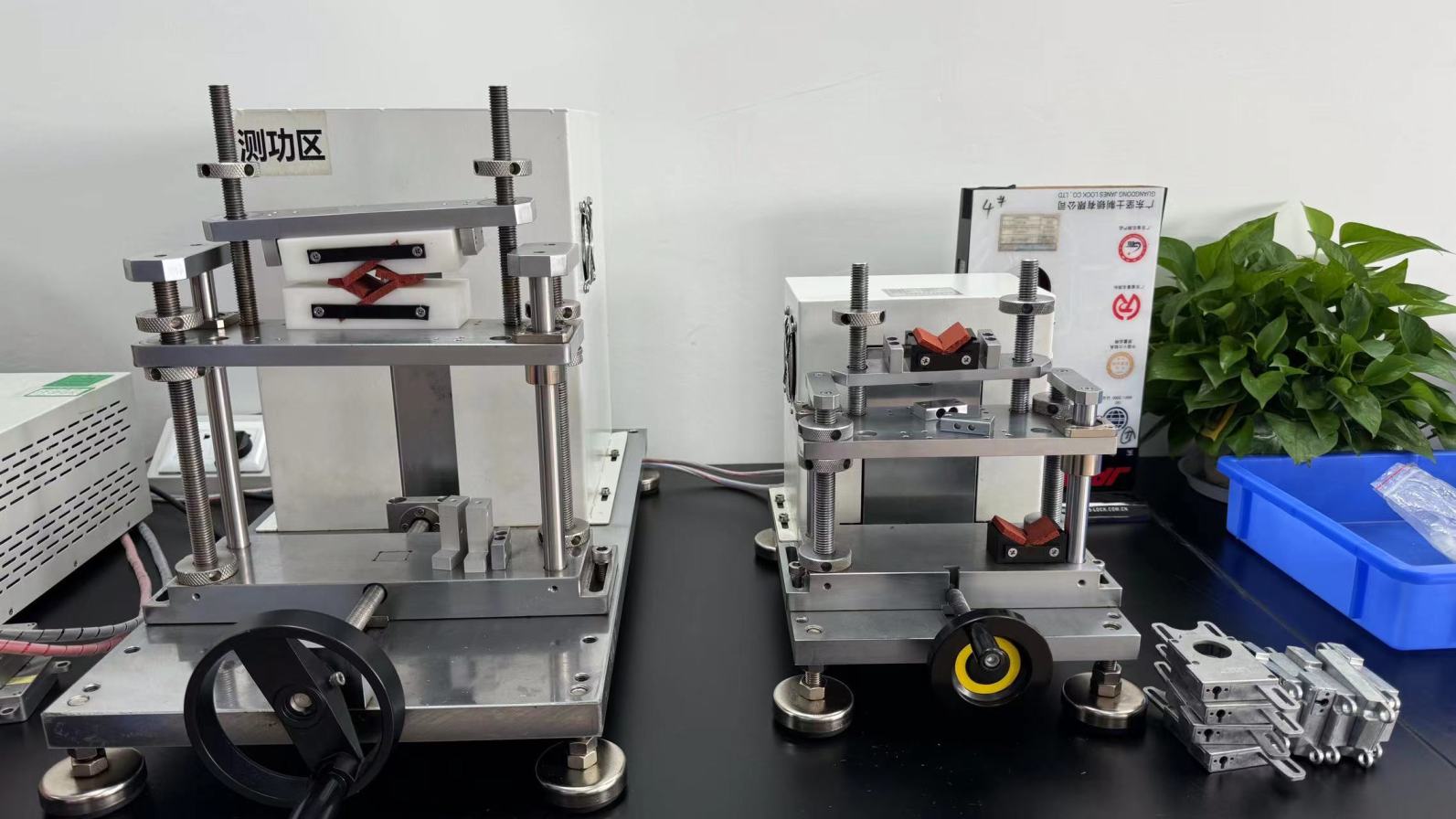 Pneumatic Press
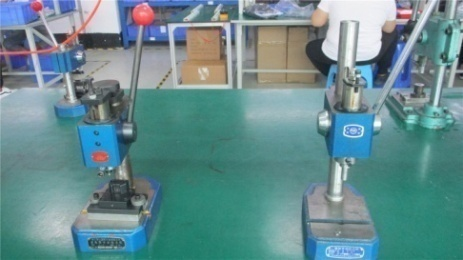 Manual Press
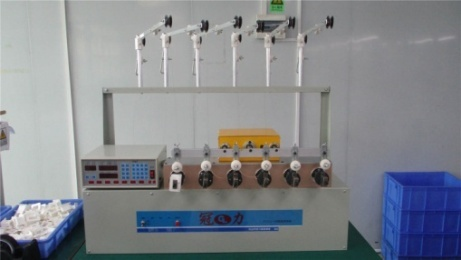 Computer Wire Winder
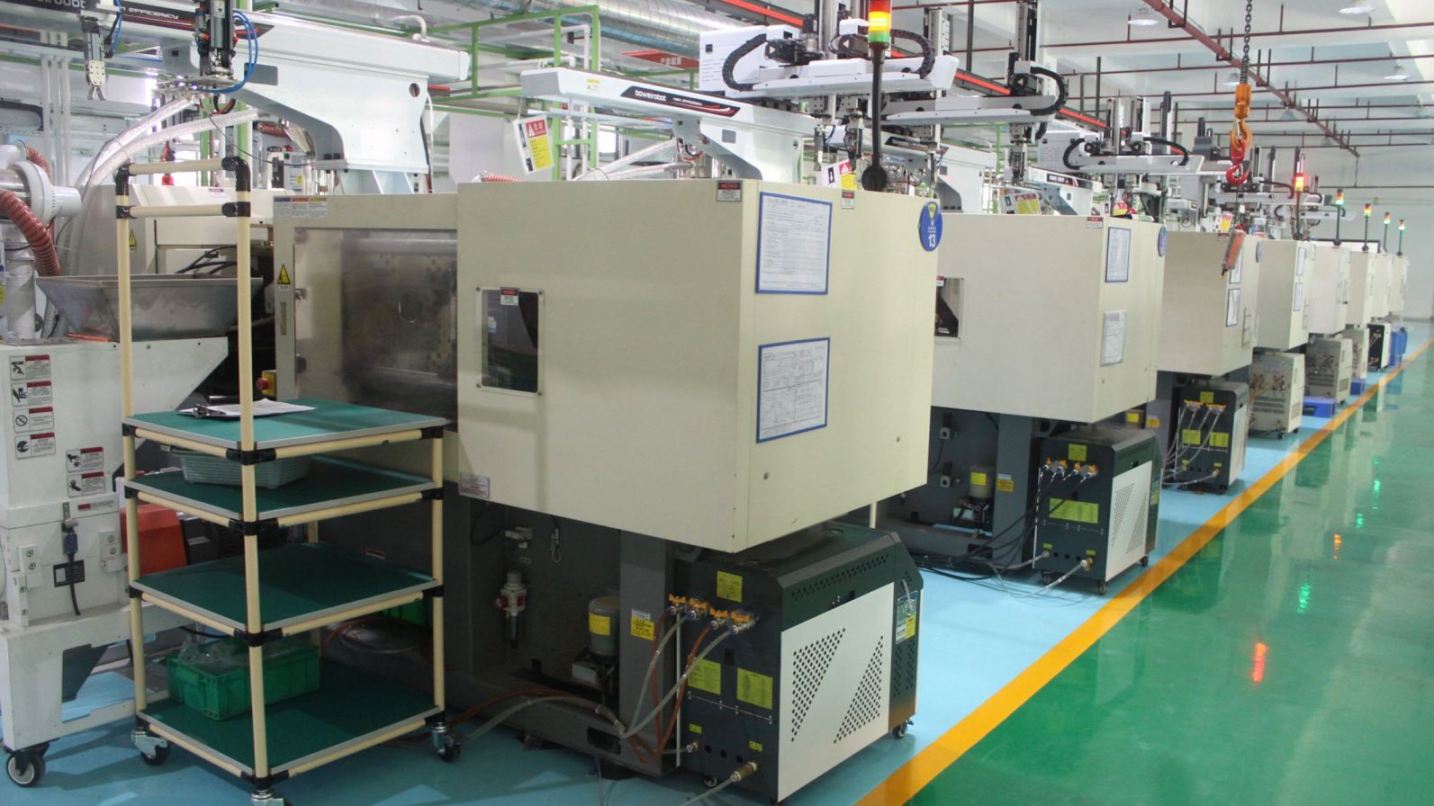 Injection Machine
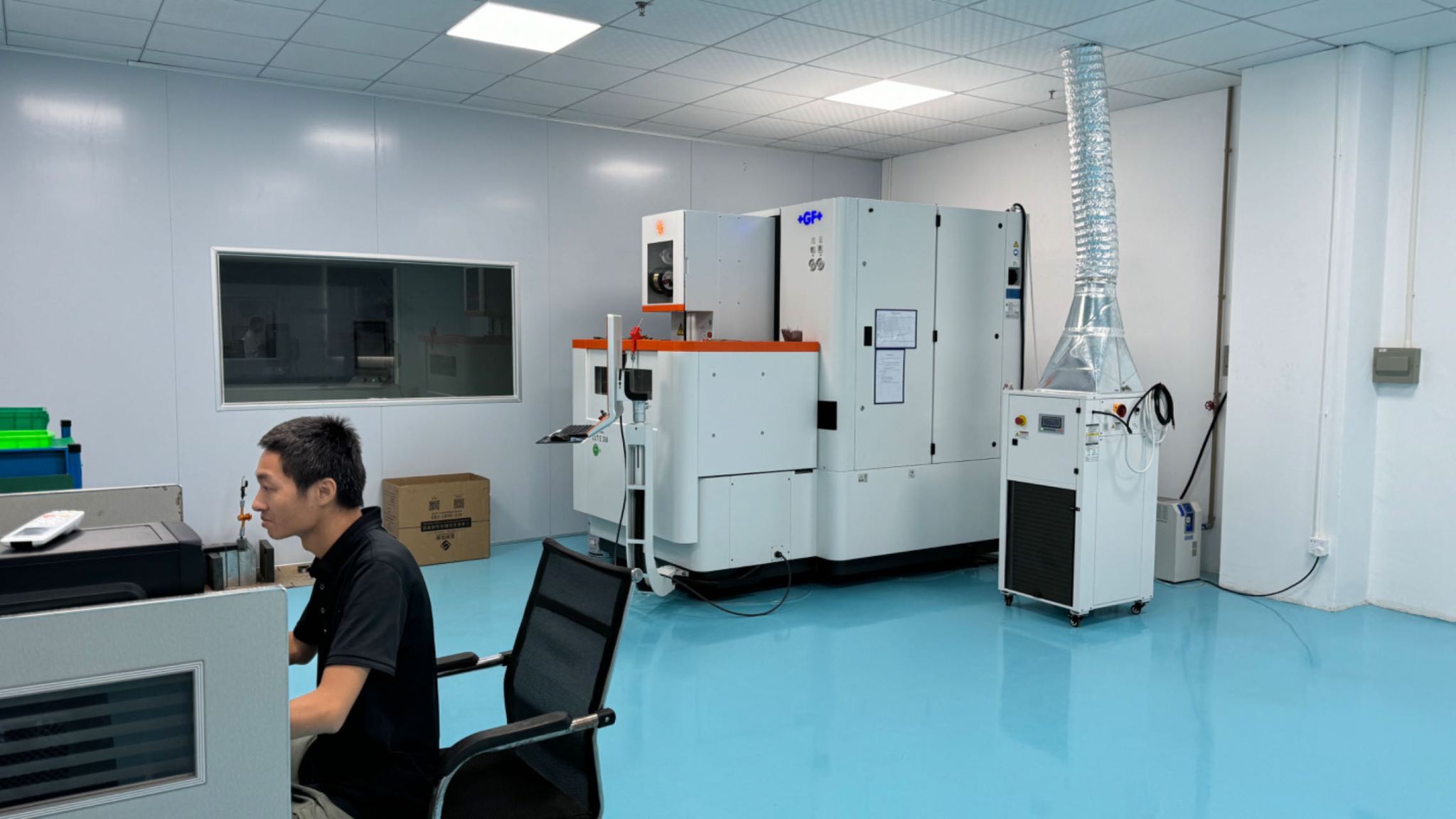 Slow-feed NC Wire-cut
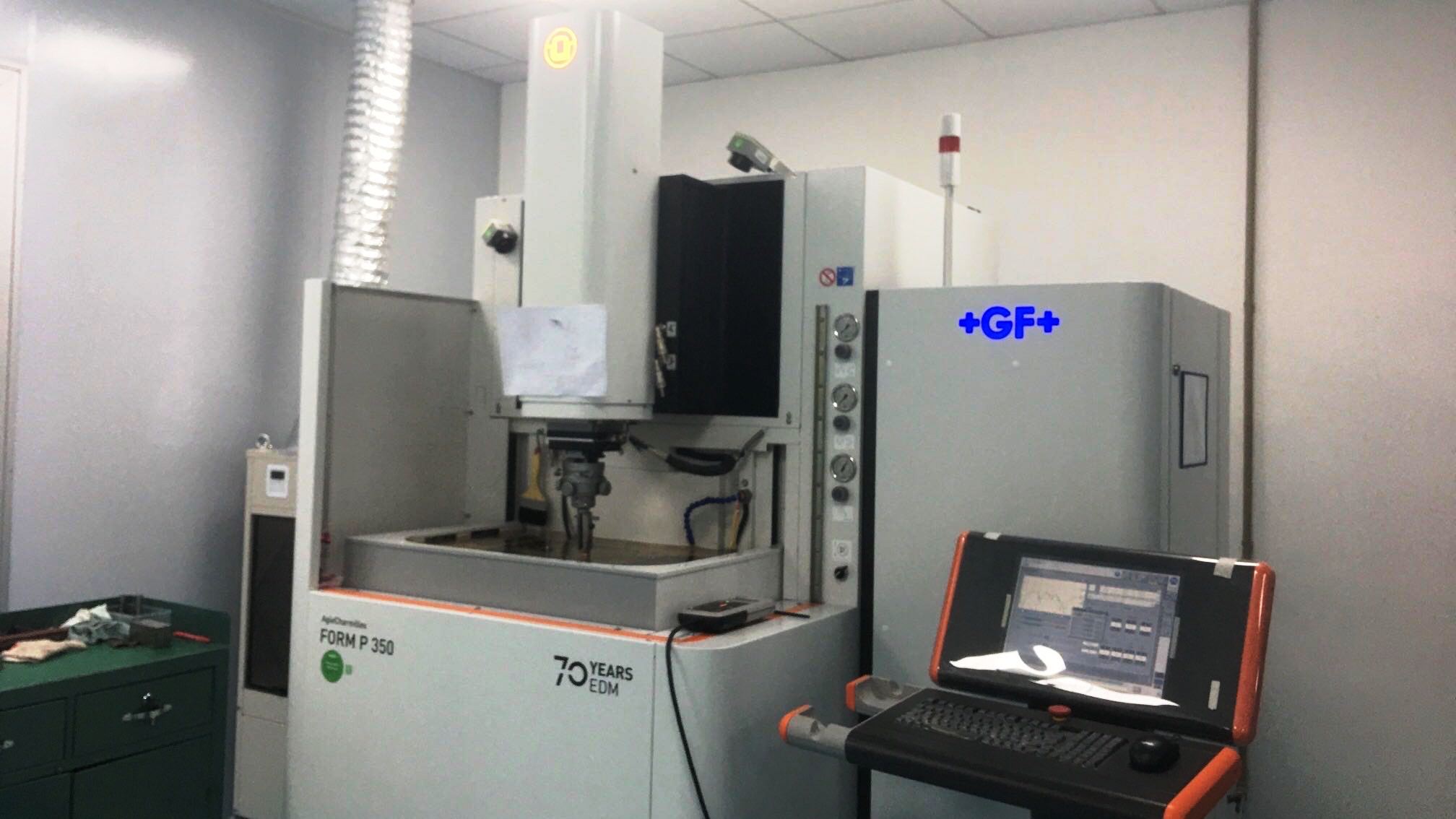 EDM Setup
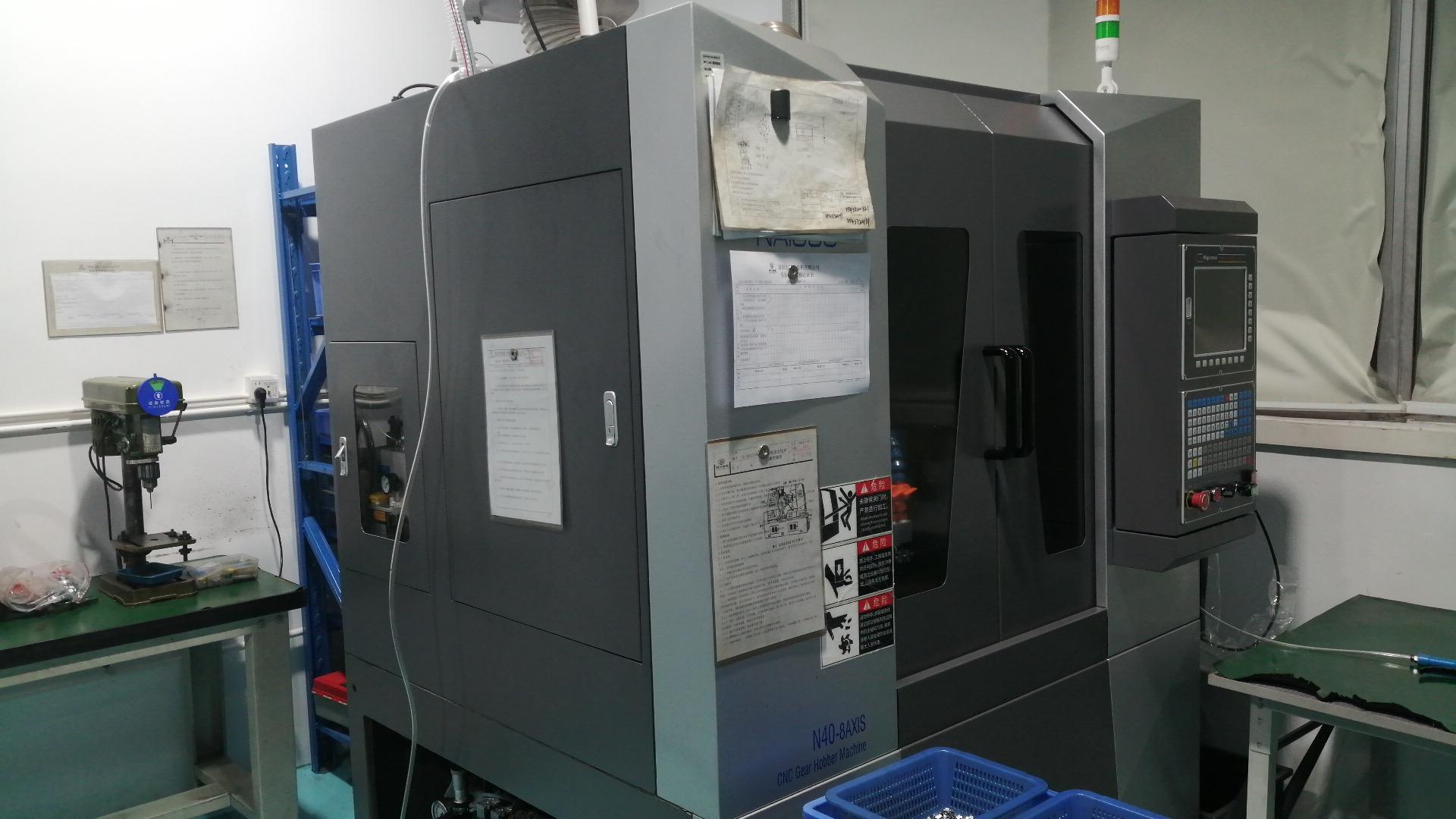 Hobbing Machine
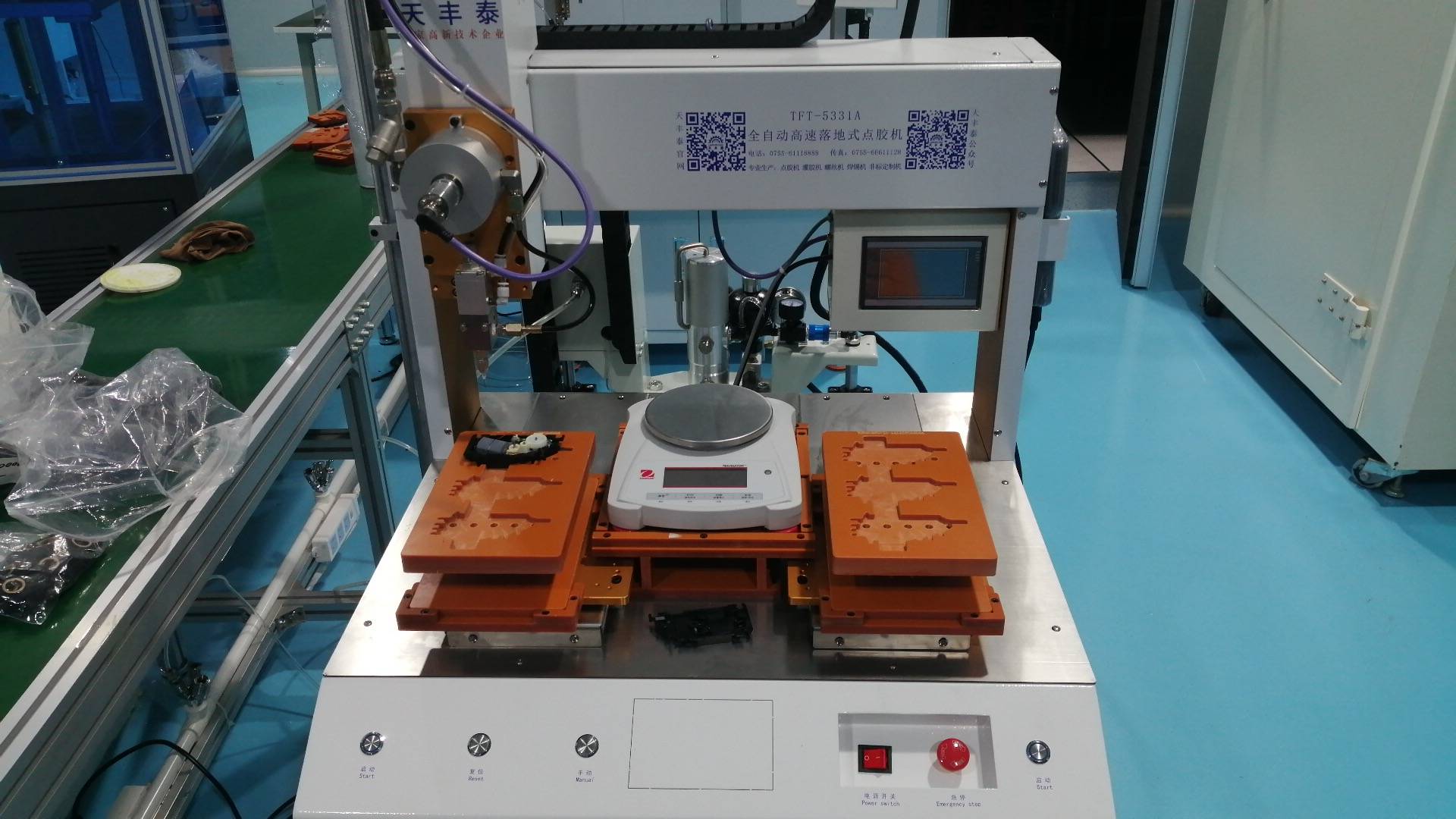 Glue Dispenser
Exporting to the Japanese market requires strict adherence to environmental regulations and hazardous substance controls. TTM Motor conforms to all requirements of RoHS 2.0, REACH, and the safety profiles necessary for PSE markings when integrating smart locks with main-line charging circuits. In our metrology labs, we perform environmental verification testing to simulate the coastal climates of regions like Fukuoka or Niigata, where moisture, salt fog, and sub-zero temperatures present dynamic operation issues for outdoor lock assemblies.
By employing Programmable Constant Temperature & Humidity Testing Chambers, Salt Spray Testing Machines, and Dynamometer Testing Stations, we ensure our motors continue to provide reliable lock actuation under the most harsh environmental conditions. In addition, our automated aging shelf tests test batches for continuous duty cycles under load, validating that our grease viscosity levels remain active over long periods without drying out or causing friction-induced torque losses.
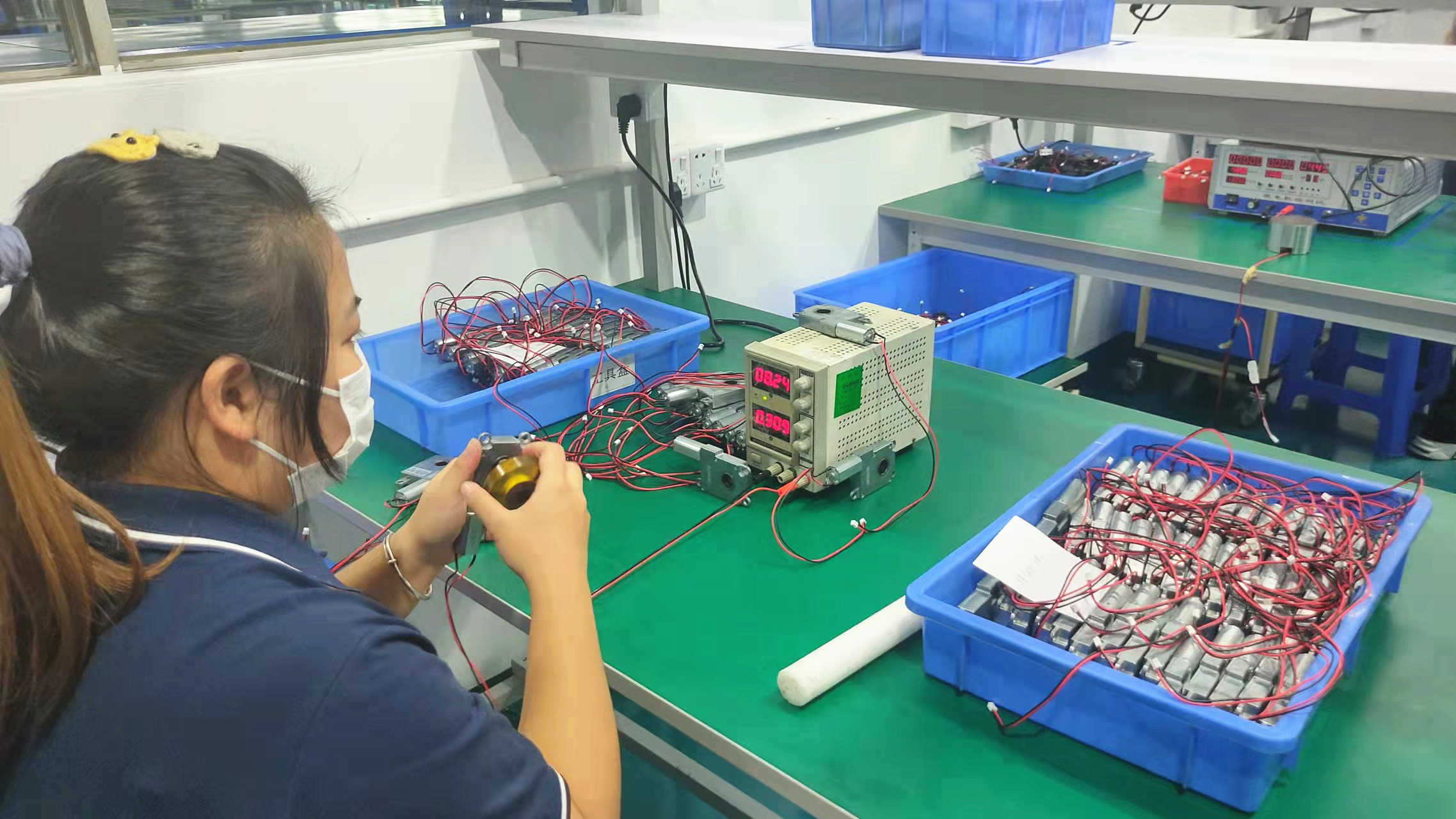 QC Checking
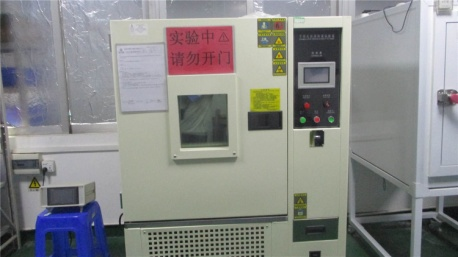 Temp & Humidity Chamber
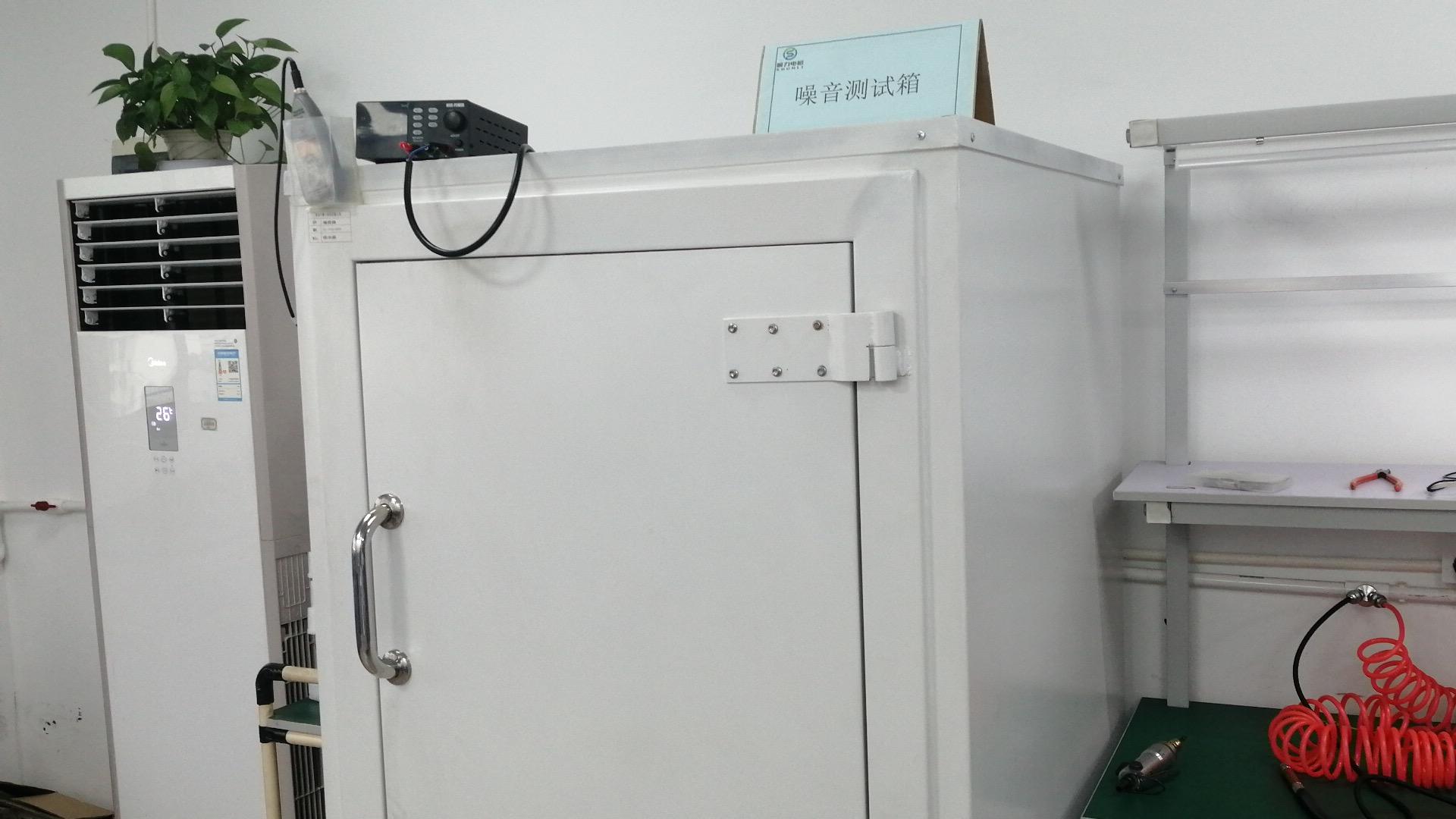 Noise Chamber
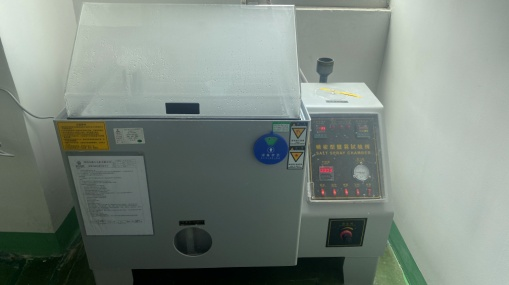 Salt Spray Machine
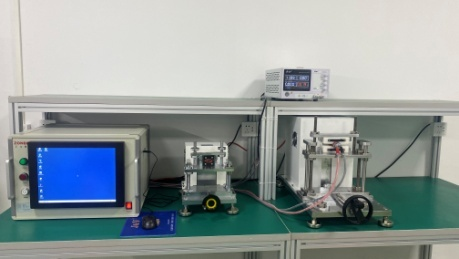 Dynamometer
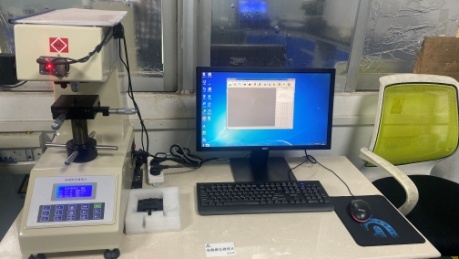 Hardness Tester
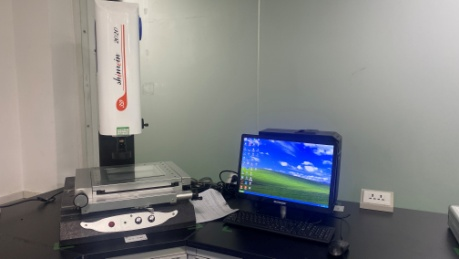 Video Measure Tool
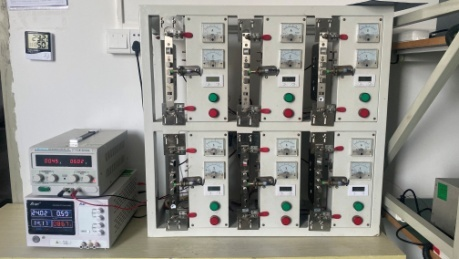 Aging Rack
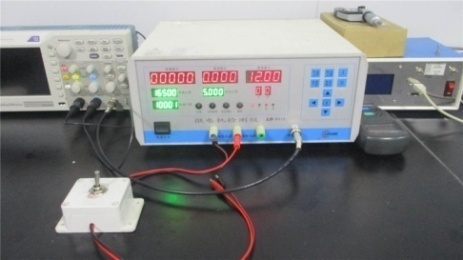 Motor Tester
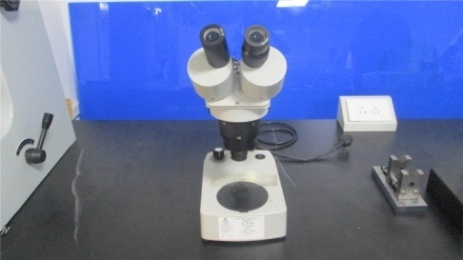 Microscope
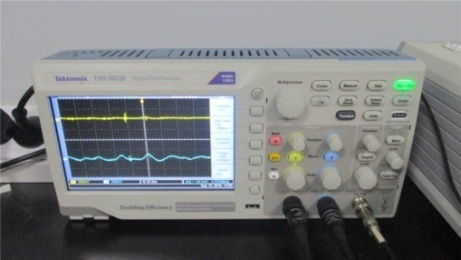 Digital Oscilloscope
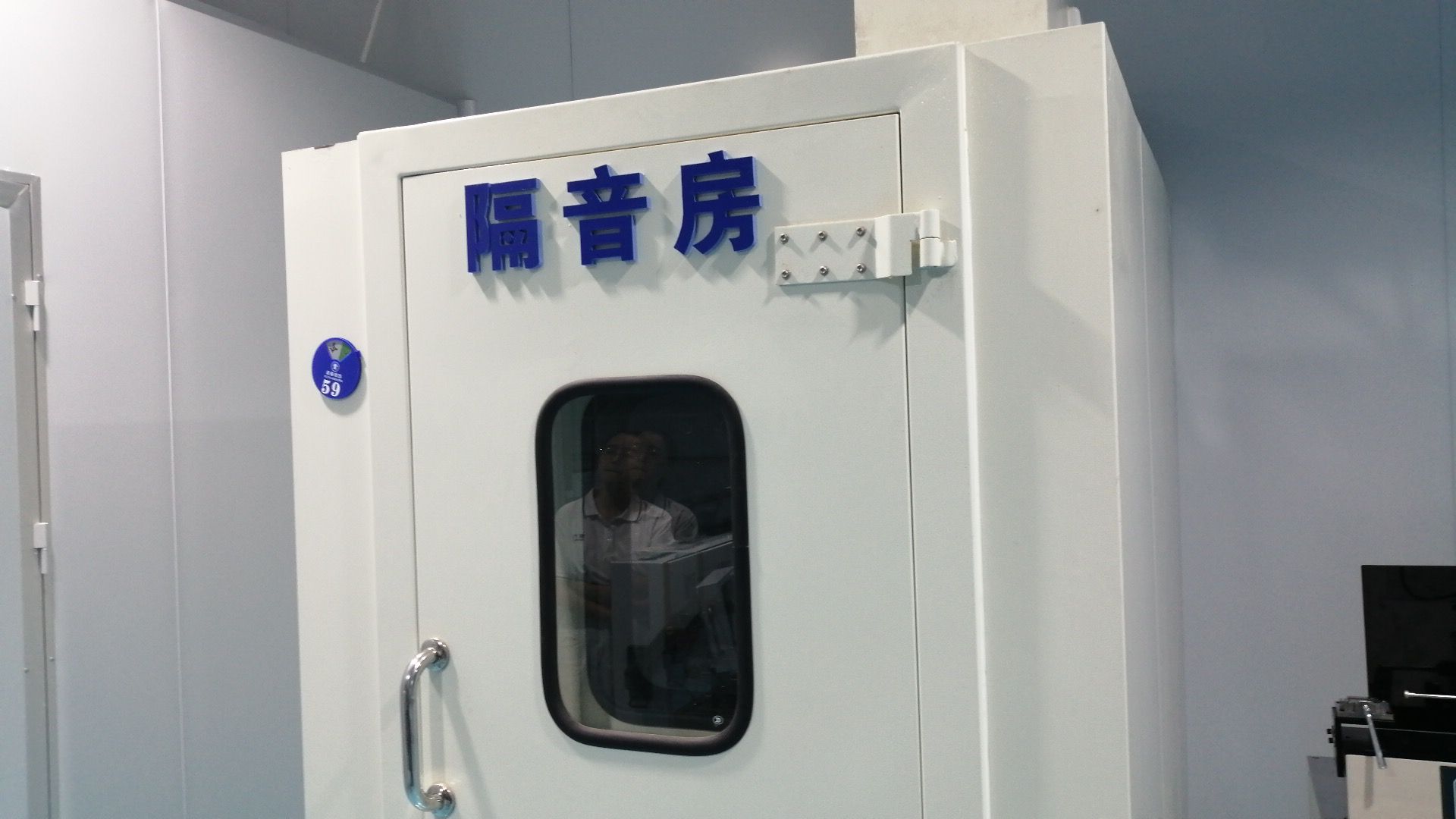 Soundproof Room
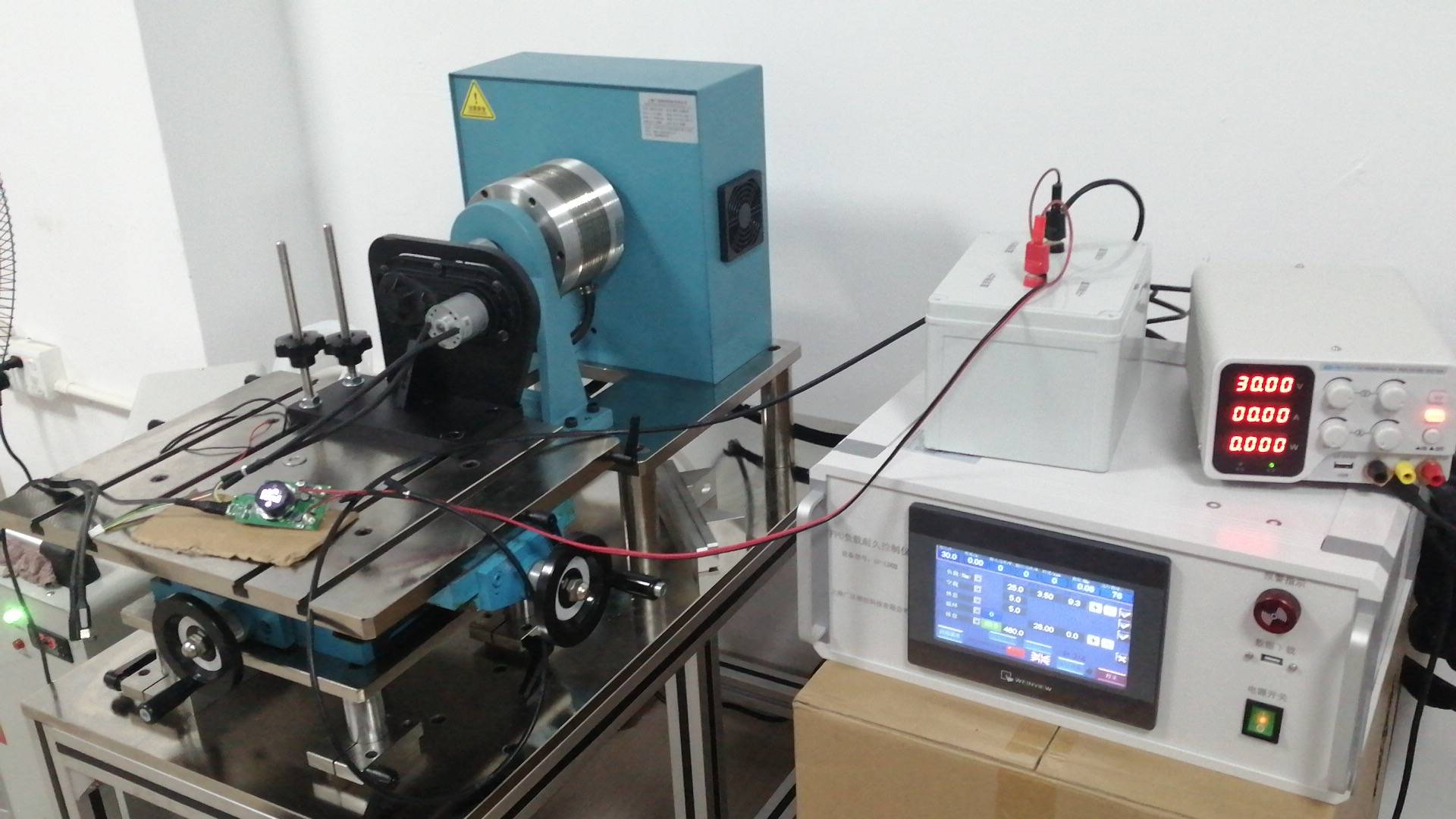
Before launching batch production for Japan-bound smart lock actuators, we perform magnetic field inspections on the rotor and stator cores to ensure consistent torque density. Using magnetic powder testing machinery and digital oscilloscopes, our engineers identify and resolve performance variations in electrical coils before shipping. This focus on reliability helps prevent lock failures and expensive maintenance visits, ensuring long-term performance for our clients.
Explore our highly customizable motor configurations. All items feature custom voltage windings, gearbox ratios, and shaft modifications to align with your design blueprints.
At TTM Motor, we don’t just manufacture motors—we engineer motion. We understand that in the world of advanced robotics, medical equipment, and smart automation, a fraction of a millimeter or a micro-level torque variance can dictate the success of your entire project. That is why our Shanghai-based R&D facility is dedicated entirely to pushing the boundaries of micro-drive performance.
Every micro DC motor, planetary gearhead, and brushless drive (BLDC) we produce is a result of rigorous cross-disciplinary engineering. Armed with advanced CAD/CAM software, automated winding technologies, and precision dynamic balancing testing equipment, our in-house engineering team bridges the gap between your conceptual design and volume manufacturing.
True to our Top Quality & Customization ethos, we specialize in solving complex integration challenges. Whether your application requires an integrated encoder for precise feedback, a custom-molded lead screw shaft, or a high-vacuum-compatible enclosure, TTM Motor has the technical expertise to customize and deliver ready-to-install motion sub-assemblies that meet your exact specifications.
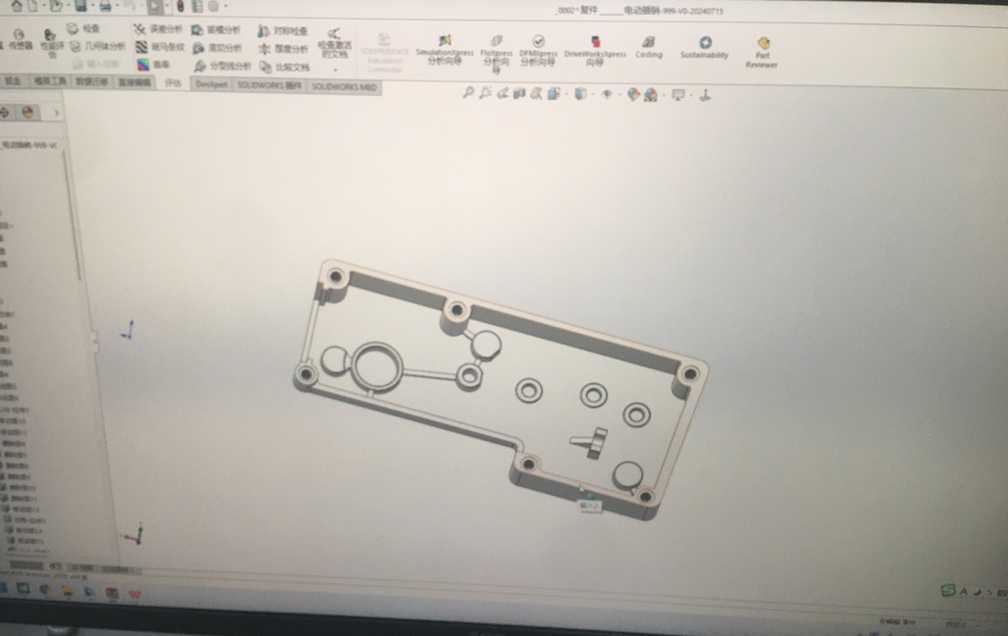
A step-by-step breakdown of how TTM Motor works with Japanese lock designers to engineer customized drive configurations.
Achieving successful integration of a micro-geared motor into a Japanese residential electronic mortise requires precise mechanical alignment. Our engineering workflow is structured to address torque requirements, gear ratios, and power usage constraints from initial prototyping to final volume production. This structured pathway minimizes design risks and shortens development timelines for our partners.
We analyze key operating parameters including starting torque under low battery conditions, physical space limits, operating temperature ranges, and target lifespans.
Our R&D team generates detailed 2D drawings and 3D CAD step files detailing the output shaft configurations, lead wires, terminal connectors, and gear ratio setups.
We build and test initial prototype samples on our precision line. These samples are sent to our clients for functional testing and evaluation.
Once approved, we scale production using automated lines. Each batch undergoes rigorous QC checks, including noise and dynamometer testing, to ensure stable performance.
Common questions from Japanese lock manufacturers and procurement engineers regarding micro DC geared motor integration.
Get in touch with our engineering team for dynamic drawings, torque calculations, and product documentation suited to the Japanese lock market.
Send Inquiry Now TTM Motor