When selecting a DC Motor, the decision impacts efficiency and performance in various applications. Statista predicts the global DC motor market will reach $26.6 billion by 2025. This rapid growth reflects increased reliance on DC motors in robotics, automotive, and industrial automation. Selecting the right motor can seem daunting, and there are critical factors to consider.
Understanding your specific needs is essential. Parameters such as voltage, torque, and speed must align with your application requirements. For instance, a report from Research and Markets highlights that proper motor selection can improve energy efficiency by up to 30%. However, many users overlook these details, leading to inefficiencies.
A DC motor's design and material quality can greatly influence longevity and reliability. A poor choice may lead to increased maintenance costs and downtime. Considering these factors, making an informed decision about your DC motor is vital for your project's success. With thoughtful evaluation, you can ensure your motor choice meets both current needs and future challenges.
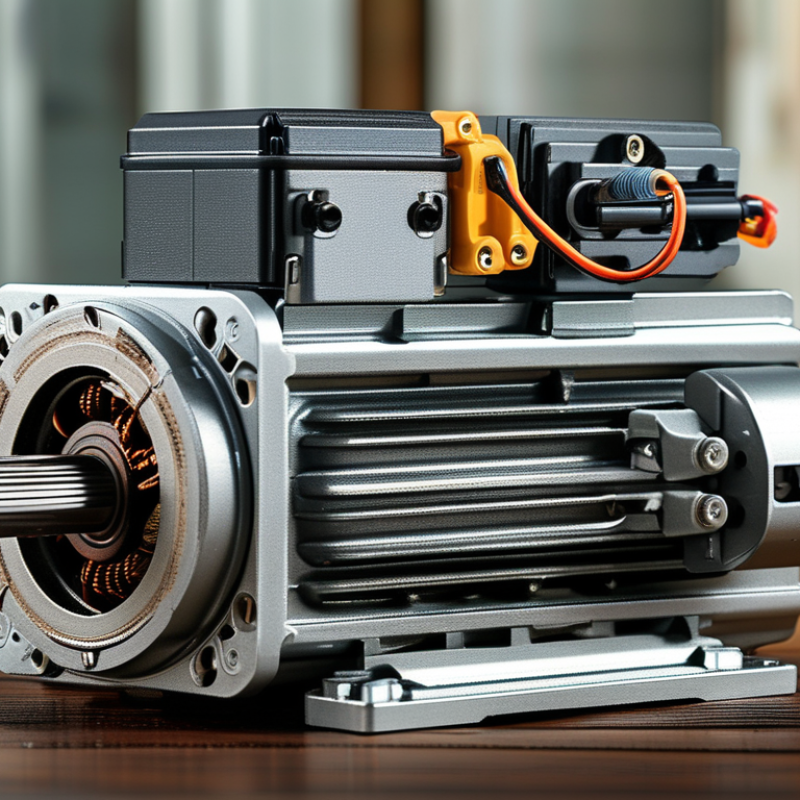
When selecting the right DC motor, understanding your application requirements is crucial. A report by MarketsandMarkets revealed that the global DC motor market is projected to reach $23.8 billion by 2024. This growth underscores the importance of tailored selection based on specific needs.
Consider your load, speed, and torque requirements. If your application demands high torque at low speeds, a specific type of DC motor may be necessary. The design and construction of the motor will directly impact performance. Notice that not all motors are created equal. They vary in efficiency levels and operational capabilities, with efficiency rates typically ranging from 75% to 90%.
Assess the environment where the motor will operate. Factors such as temperature, humidity, and exposure to dust or fluids influence motor performance. For example, motors in harsh conditions might require enhanced protection measures. Industry reports suggest that a significant number of motor failures relate to inadequate environmental considerations. It's essential to evaluate these conditions thoroughly to avoid unexpected failures.
When selecting a DC motor, understanding the different types available is crucial. There are brushed and brushless DC motors. Brushed motors have a simple design. They often offer high torque at low speeds. However, they require more maintenance due to brush wear. Their affordability can be appealing. Yet, the trade-off is a shorter lifespan.
Brushless motors, on the other hand, provide better efficiency. They produce less noise and heat, making them suitable for various applications. Their electronic control can be complex and might need specialized knowledge to operate. The upfront cost tends to be higher. But, they typically last longer and require less maintenance.
Think about your application carefully. Consider the power requirements and operational environment. Different motors perform better in different settings. High temperature or humidity can affect performance. Deciding on the right motor involves weighing these factors. Each choice has merits and drawbacks that should not be overlooked.
Selecting the right DC motor requires careful assessment of voltage and power ratings. The voltage rating of a motor determines its operational capacity. If the voltage is too low, the motor may not perform effectively. Conversely, if the voltage exceeds the rating, it can lead to overheating and eventual failure. It's crucial to identify the voltage that aligns with your power supply.
Power ratings, measured in watts or horsepower, indicate the motor's performance capability. A motor with higher power can drive heavier loads. However, using a motor with excessive power can be wasteful and inefficient for lighter applications. This mismatch can create unnecessary energy consumption, leading to inflated operating costs.
Consider your specific application requirements. Reflect on the torque and speed you need for optimal operation. Sometimes, standard ratings may not suffice. Choosing a motor based strictly on specifications without considering the application context can lead to issues. It's essential to evaluate your unique needs to ensure reliability and efficiency. Proper attention to these details can ultimately enhance the motor's overall performance.
| Tip | Description | Voltage Rating (V) | Power Rating (W) | Torque (Nm) |
|---|---|---|---|---|
| 1. Determine Application | Understand the specific requirements of your application. | 12 | 50 | 0.5 |
| 2. Assess Voltage Requirements | Match DC motor voltage with power supply. | 24 | 100 | 0.8 |
| 3. Evaluate Power Ratings | Consider the power output needed for your application. | 36 | 200 | 1.2 |
| 4. Analyze Speed Requirements | Check the motor speed needed for optimal operation. | 48 | 300 | 1.5 |
| 5. Check for Control Features | Determine if you need variable speed or direction control. | 12 | 60 | 0.4 |
| 6. Factor in Size and Weight | Consider the physical dimensions that suit your setup. | 24 | 150 | 0.7 |
| 7. Understand Thermal Limits | Know the temperature range for optimal motor performance. | 36 | 250 | 1.4 |
| 8. Consider Load Types | Analyze the load to ensure the motor can handle it efficiently. | 48 | 350 | 2.0 |
| 9. Review Efficiency | Select a motor with a high efficiency rating. | 12 | 70 | 0.5 |
| 10. Set a Budget | Establish a budget that aligns with your project’s needs. | 24 | 80 | 0.6 |
When selecting a DC motor, understanding the control methods is essential. Different applications require specific control techniques. For example, pulse-width modulation (PWM) allows for efficient speed regulation. It minimizes energy loss and enhances performance. On the other hand, open-loop control can be simpler but less precise. Think about the precision you need. Some projects may demand higher accuracy than others.
Another critical feature is feedback. Closed-loop control systems use sensors to provide real-time data. This allows for adjustments during operation. If your project requires changing conditions, feedback is invaluable. Consider the environment in which the motor will operate. Dust and moisture can affect sensor reliability. Not all setups need this level of complexity, so weigh your options carefully.
Don't overlook thermal management. Motors generate heat, especially under load. An efficient cooling system can prolong your motor's life. Some users underestimate the need for heat dissipation. A failure to address this could lead to unexpected breakdowns. Understand your project's requirements fully before committing to a specific motor. It's vital to align capabilities with actual needs.
When selecting a DC motor, budget constraints can significantly impact your decision. It's crucial to evaluate not only the upfront costs but also the long-term maintenance expenses. A low-priced motor may seem attractive initially, but hidden costs can emerge later. Factors such as energy consumption and repair frequency can lead to higher overall costs.
Consider your specific application before making a choice. Higher-quality motors often provide better efficiency. They may come with a higher price tag but can save money over time. Look for motors that offer warranties. This can mitigate unexpected repair costs. Research maintenance requirements thoroughly, as some motors need regular servicing, which adds to expenses.
When calculating costs, include installation and operation fees. Analyze your daily usage patterns. Motors used intermittently may have different needs than those running continuously. Finding the right balance between cost and performance requires careful thought. Sometimes, a slightly expensive option may prove more economical in the long run. This thoughtful approach ensures that you make a wise investment.
: There are primarily two types: brushed and brushless DC motors.
Brushed motors have a simple design and offer high torque at low speeds but require more maintenance.
Yes, brushless motors provide better efficiency and produce less noise and heat.
Consider power requirements, environmental conditions, and the motor's maintenance needs.
It's crucial. Proper cooling can extend the motor's lifespan and prevent breakdowns.
PWM is a technique for efficient speed regulation that minimizes energy loss during operation.
Feedback systems allow real-time adjustments during operation, which is vital for changing conditions.
Energy consumption, repair frequency, and installation costs can all impact long-term expenses.
Analyze performance, budget, and maintenance requirements carefully to find the right balance between cost and efficiency.
Yes, higher-quality motors may have higher upfront costs but can save money in the long run through improved efficiency.
Choosing the right DC motor for your application requires a thorough understanding of your specific needs. Begin by clearly defining the application requirements, which will guide you in evaluating the various types of DC motors available in the market. Each type may offer different characteristics that could suit specific tasks better than others.
Next, it's essential to assess the voltage and power ratings of the DC motor to ensure optimal performance. Consideration of the control methods and features is also crucial, as these aspects can significantly impact the motor's functionality and efficiency. Lastly, be mindful of budget constraints, including not only the initial purchase price but also long-term maintenance costs. By approaching these factors systematically, you can make an informed decision and select the best DC motor to meet your needs.
