In the rapidly evolving landscape of industrial automation, the importance of Planetary Gear Motors is undeniable. According to a report by MarketsandMarkets, the global planetary gear motor market is expected to reach $6.4 billion by 2026, showing a compound annual growth rate (CAGR) of 5.6%. This surge reflects an increasing demand for compact, high-performance motors in diverse applications, from robotics to automotive industries.
Industry expert John Davis, a renowned mechanical engineer with over 15 years of experience, emphasizes the significance of these devices. He states, “Planetary Gear Motors are revolutionizing how we approach power transmission and efficiency in modern machinery.” His insights echo the trend of manufacturers seeking more efficient and reliable solutions. However, challenges remain in the form of supply chain constraints and the need for continuous innovation.
As global buyers navigate the ever-changing market, understanding the features and functionalities of the top planetary gear motors is crucial. Not all products meet the same quality standards, raising concerns about reliability and performance. The selection process demands careful consideration, as companies strive to balance cost with the durability of their choices.
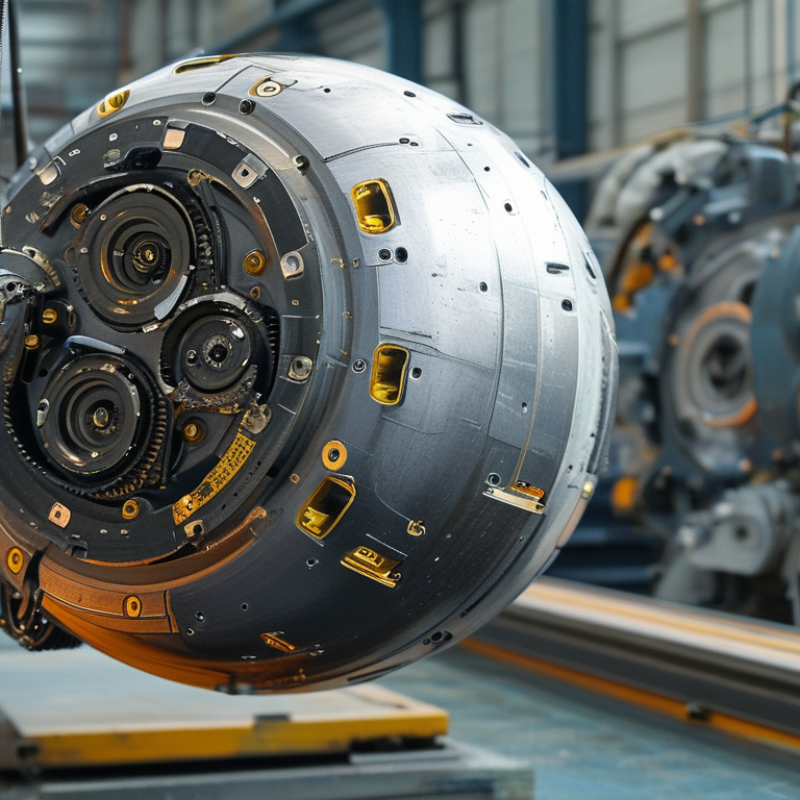
Planetary gear motors are vital components in various industrial applications. They offer high torque and efficiency, making them ideal for robotics, automation, and automotive systems. These motors can be scaled down for compact designs, fitting perfectly in tight spaces. Their unique gear arrangement distributes load more evenly, reducing wear and prolonging lifespan.
In manufacturing, these motors are often found in equipment such as conveyors and CNC machines. Their ability to deliver precise movements enhances productivity. However, users must consider the correct fit for their specific application. Misalignment can lead to reduced efficiency and even failure. It's essential to evaluate torque requirements and power needs carefully.
Choosing a reliable planetary gear motor requires understanding the specifics of the task. Precise calculations can avoid costly mistakes. Buyers might overlook factors like thermal efficiency or noise levels. Such oversights can impact overall performance. Awareness of these details plays a crucial role in ensuring effective motor selection.
When selecting planetary gear motors, various factors influence the decision. The motor's torque output is crucial for performance. Higher torque ratings generally indicate better efficiency in transferring energy. Additionally, the gear reduction ratio can affect speed control. A suitable ratio balances power and speed effectively, catering to specific applications.
Another factor to consider is the motor's size and weight. Compact designs save space but may compromise on power. Think about the installation environment. Harsh conditions might require motors with enhanced durability. Assessing the motor's material can help in determining its lifespan and reliability.
While performance metrics are vital, don't overlook the importance of serviceability. Devices that are easier to maintain can reduce downtime in the long term. Keep in mind that not all specifications will suit your needs perfectly. Reflect on how variations in performance may impact your operations. Balancing these factors can lead to a better-informed purchasing decision.
In 2026, the demand for planetary gear motors continues to rise. The market is driven by advancements in automation and robotics. Companies need reliable gear motors for various applications. These devices offer high torque and a compact design. They are preferred for their efficiency and durability.
When selecting a planetary gear motor brand, buyers should consider several factors. Quality and reliability are paramount. Some brands have established a strong presence in the industry. Their products undergo rigorous testing for performance and longevity. However, not all products live up to expectations. Buyers must research and compare specifications.
Customer service also plays a critical role. The best brands offer support and maintenance services. This can impact the overall experience. Companies should be cautious of brands that do not provide adequate assistance. Sometimes, it's easy to overlook these aspects in the purchasing process. Understanding both advantages and challenges can lead to better choices.
The performance and efficiency of planetary gear motors are critical factors influencing their selection in various applications. According to a recent industry report, planetary gear motors can achieve up to 95% efficiency under optimal conditions. This high efficiency is a result of their unique gear design, which minimizes energy loss during operation. Additionally, these motors typically have a compact size, allowing them to fit into limited spaces while providing substantial torque.
Comparative analyses show that different models exhibit varied performance metrics. For instance, a study highlighted that the load capacity of some gear motors can fluctuate by nearly 30%. This inconsistency may stem from manufacturing inconsistencies or materials used. Moreover, environmental factors like temperature and humidity can further impact performance, leading to variations that users should consider when making selections.
Despite their advantages, planetary gear motors are not without limitations. Certain models can experience overheating issues under continuous use, leading to performance dips. Furthermore, maintenance requirements may differ significantly, influencing long-term reliability. Users must weigh these potential shortcomings against the impressive efficiency ratings and torque outputs typically associated with planetary gear motors.
The planetary gear motors market is on the verge of transformation. Emerging technologies are pushing boundaries. Electric vehicles and robotics are driving innovation. With growing demand for efficiency, manufacturers are exploring new materials and designs to enhance performance.
As smart automation gains traction, gear motors are becoming more integrated. Data analytics and machine learning might improve maintenance predictions. This shift could lead to reduced downtime and operational costs. However, adopting such technologies poses challenges. Manufacturers must invest in skills and training for their workforce.
Sustainability is also a major focus. The industry is moving towards eco-friendly practices. This includes reducing carbon footprints and optimizing energy usage. Yet, finding the right balance between cost and innovation can be complex. The future poses both opportunities and difficulties for buyers and manufacturers alike.
| Rank | Motor Type | Power Rating (W) | Efficiency (%) | Max Torque (Nm) | Applications |
|---|---|---|---|---|---|
| 1 | High Torque | 250 | 90 | 15 | Robotics |
| 2 | Compact | 100 | 85 | 8 | Conveyors |
| 3 | High Speed | 300 | 88 | 20 | Automotive |
| 4 | Standard | 150 | 82 | 10 | Packaging |
| 5 | Precision | 200 | 92 | 12 | Aerospace |
| 6 | Heavy Duty | 400 | 87 | 30 | Mining |
| 7 | Low Backlash | 125 | 90 | 9 | Medical |
| 8 | Geared | 250 | 89 | 14 | Textiles |
| 9 | Small Frame | 80 | 84 | 6 | Robotics |
| 10 | Energy Efficient | 300 | 95 | 18 | Renewable Energy |
: Torque output affects performance and energy transfer efficiency. Higher torque typically means better functionality.
A suitable gear reduction ratio helps balance power and speed, ensuring effectiveness in specific applications.
Compact motors save space but may lack power. Choose size based on your specific installation environment.
The motor's material influences its lifespan and reliability. Durability matters, especially in harsh conditions.
Easy-to-maintain devices can reduce downtime. It's essential to consider this aspect during the selection process.
Technologies like electric vehicles are driving innovation, pushing manufacturers to explore new materials and designs.
Data analytics could enhance maintenance predictions, potentially lowering downtime and operational costs.
There’s a need for investment in workforce skills and training to implement advanced technologies effectively.
The industry aims for eco-friendly practices, like reducing carbon footprints, while balancing costs and innovation.
Not all specifications will fit perfectly. It's important to reflect on how changes may affect your operations.
Planetary gear motors are critical components in various applications, providing high efficiency and performance due to their compact design and superior torque output. When selecting a planetary gear motor, buyers should consider key factors such as load capacity, speed, and the specific application requirements to ensure optimal performance.
The anticipated trends in the planetary gear motors market for 2026 include advancements in materials and technologies that enhance efficiency and reduce weight. A comparative analysis of performance metrics highlights the importance of selecting the right motor to maximize operational effectiveness. As the demand for automation grows, innovations in planetary gear motors will continue to shape the industry, making them essential for global buyers seeking reliable solutions.
