In the world of machinery, Low Voltage Gear Motors play a crucial role. These motors are designed for efficiency and reliability. Various industries depend on them for smooth operations. From robotics to automotive applications, their demand is rising. Understanding their features is essential for global buyers.
Selecting the right Low Voltage Gear Motor can be challenging. Each model offers unique specifications and performance levels. Prospective buyers must consider factors like torque and speed. This requires a deep understanding of your application needs. Ignoring these details can lead to inefficiencies.
The market is flooded with options. Not all products meet the same quality standards. It’s important to strike a balance between cost and performance. Reflecting on the specific requirements of your project will enhance decision-making. Evaluating the top models can provide valuable insights. This guide aims to illuminate the best choices for you.
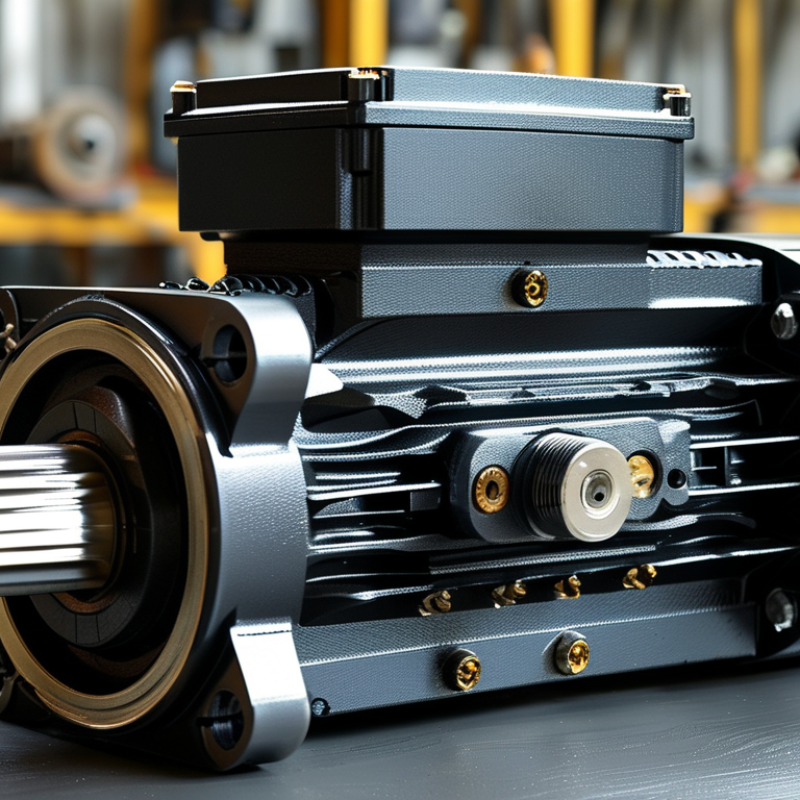
When selecting low voltage gear motors, several key features demand attention. First, consider the motor's efficiency. Higher efficiency means less energy waste. This leads to lower operational costs. Look for motors with efficiency ratings to make informed decisions.
Speed and torque specifications are vital too. Each application may require different speed settings. Ensure the motor meets the operational demands. Assess the torque output to guarantee it can handle the load effectively.
Durability is another crucial aspect. Gear motors often work in challenging environments. They should resist dust, moisture, and temperature fluctuations. This resilience extends their lifespan and reliability. However, reflect on how over-specification can lead to unnecessary expenses. Balancing features with your actual needs can maximize value.
Low voltage gear motors are gaining significant traction in the global market. This growth is driven by the surge in automation across various industries. Manufacturing, logistics, and renewable energy sectors increasingly rely on these motors for efficiency and reliability. Their compact size and high torque output make them suitable for various applications, ensuring they are well-positioned for future demands.
Recent analysis indicates a rising shift towards energy-efficient solutions. Buyers are now prioritizing sustainability alongside performance. Many industries are investing in low voltage gear motors that consume less energy yet deliver high performance. However, customers often face a dilemma: balancing cost with quality.
Amid these market shifts, some manufacturers struggle to keep up. They might focus too heavily on low production costs while compromising quality. This can lead to long-term issues, including customer dissatisfaction and increased maintenance costs. Even established brands can falter if they do not adapt to evolving market needs. Awareness of these challenges is crucial for stakeholders aiming to navigate the dynamic landscape of low voltage gear motors.
Low voltage gear motors are essential in diverse industries. They provide efficient power to various machines. For example, in automotive manufacturing, these motors drive assembly line equipment. A report from MarketsandMarkets indicates that the global low voltage gear motor market is projected to reach USD 5.12 billion by 2026. This growth reflects the rising demand for automation across sectors.
In the food processing industry, low voltage gear motors support packaging and conveyor systems. Their reliability is vital for maintaining production speed and minimizing downtime. Data from Grand View Research shows that food processing automation is expected to grow by nearly 10% annually. This trend highlights the increasing reliance on low voltage gear motors for efficiency and productivity.
Moreover, the renewable energy sector uses these motors in wind turbines. They help with adjustments for optimal performance. However, sustainability is a challenge. As the demand for energy-efficient solutions rises, manufacturers must rethink their designs and materials. Balancing performance and environmental impact is crucial for future developments.
| Motor Type | Voltage (V) | Power Rating (W) | Torque (Nm) | Speed (RPM) | Applications |
|---|---|---|---|---|---|
| Brushed DC Motor | 12 | 50 | 0.2 | 3000 | Robotics, Toys |
| Brushless DC Motor | 24 | 100 | 0.5 | 1500 | Electric Vehicles, Drones |
| Stepper Motor | 12 | 80 | 0.35 | 200 | 3D Printers, CNC Machines |
| Gear Motor | 48 | 150 | 1.0 | 60 | Conveyor Systems, Automation |
| AC Gear Motor | 230 | 200 | 1.5 | 1500 | Industrial Machinery, Fans |
| Planetary Gear Motor | 24 | 300 | 2.0 | 200 | Robotics, Medical Equipment |
| Synchronous Motor | 12 | 120 | 0.8 | 600 | Consumer Electronics, Appliances |
| AC Induction Motor | 115 | 180 | 1.2 | 1800 | HVAC Systems, Pumps |
| Universal Motor | 110 | 300 | 1.8 | 3600 | Power Tools, Household Appliances |
| Servo Motor | 12 | 200 | 1.0 | 5000 | Automation, Aerospace |
When selecting low voltage gear motors, efficiency ratings are crucial. These ratings indicate how effectively a motor converts electrical energy into mechanical power. Buyers should consider factors such as load capacity, speed range, and environmental conditions. Efficient motors often lead to reduced energy costs and increased operational longevity.
Different brands offer varying efficiency ratings based on design and materials. Some motors utilize advanced technologies to optimize performance. While higher efficiency motors may come with a premium price, they can result in significant savings over time. However, it’s important to reflect on the initial investment versus long-term benefits. A less efficient motor might seem economical at first but could lead to higher energy consumption. This is a common pitfall that requires thoughtful analysis.
Potential buyers often overlook manufacturer specifications. They should explore real-world applications and user reviews for additional insights. Efficiency ratings can differ significantly based on specific contexts. Factors such as installation and maintenance practices can greatly influence motor performance. Understanding these dynamics is essential. Engaging with industry experts can provide further clarity and support informed decision-making.
The design of low voltage gear motors increasingly emphasizes environmental impact and sustainability. The global shift towards renewable energy sources has driven manufacturers to innovate. According to a report by the International Energy Agency, the electrification of transport and industry can reduce greenhouse gas emissions by up to 70% by 2050. This trend motivates engineers to create motors that are not only efficient but also eco-friendly.
Materials play a pivotal role in this discussion. The use of recyclable and biodegradable materials in motor housing and components is gaining traction. A study from the Eco Efficiency Group highlighted that incorporating recycled metals can reduce energy consumption in production by 30%. However, many designs still rely on conventional materials, presenting a gap in sustainable practices.
Then there's the challenge of energy efficiency. Studies show that up to 25% of energy losses in electric motors occur due to inefficiencies in design. This reflects the need for better engineering solutions that minimize waste. As more regulations emerge, meeting sustainability standards becomes not just a choice but a necessity for manufacturers. They must reevaluate their processes to align with future environmental goals. The road ahead is filled with opportunities, but also requires critical reflection on current practices.
: Focus on efficiency ratings to lower energy waste and operational costs.
Torque output ensures the motor can handle specific loads effectively.
Look for motors resistant to dust, moisture, and temperature changes for durability.
The growth in automation drives demand for these efficient, compact motors in various industries.
Higher energy efficiency reduces consumption and supports sustainability goals.
Recyclable and biodegradable materials are becoming more popular, but conventional ones still dominate.
Many struggle with balancing low costs while maintaining quality, impacting customer satisfaction.
Up to 25% of energy loss occurs due to design inefficiencies, highlighting the opportunity for improvements.
They need to reevaluate processes and adopt better engineering solutions for eco-friendly designs.
The article "Top 10 Low Voltage Gear Motors for Global Buyers Need" delves into essential considerations for selecting low voltage gear motors, including key features such as torque, speed, and efficiency. It highlights current market trends, showcasing the growth and increasing demand for these motors across various industries, which further emphasizes their versatility and importance.
Additionally, the article outlines the critical applications of low voltage gear motors, ranging from robotics to automotive systems, illustrating their significance in modern technology. A comparative analysis of efficiency ratings among leading brands helps buyers make informed decisions tailored to their specific needs. Lastly, the article addresses the environmental impact and sustainability efforts in the design of low voltage gear motors, aligning with the growing emphasis on eco-friendly practices in manufacturing.
