The global demand for Brushless DC Motors (BLDC) is experiencing rapid growth. According to a recent market report, the industry is projected to reach $44 billion by 2026. This surge is driven by advances in automation and the expanding electric vehicle sector. Experts highlight the importance of reliability and efficiency in today's motor solutions.
Dr. Emily Thompson, a renowned industry expert, emphasizes, "Brushless DC Motors will continue to transform applications across various sectors." These motors offer higher performance and longer lifespan compared to traditional brushed motors. As such, they play a critical role in enhancing the efficiency of modern machinery.
Yet, challenges remain. Issues like high initial costs and the need for sophisticated control systems can deter potential buyers. The market must address these concerns to fully unlock the potential of Brushless DC Motors. Understanding the best options available can help buyers navigate this complex landscape effectively.
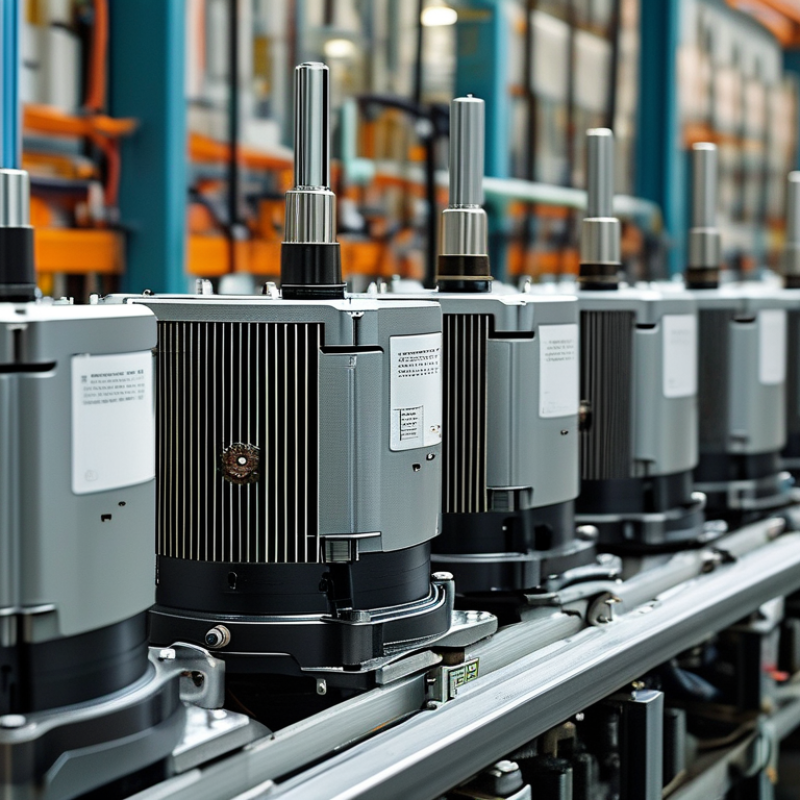
When selecting brushless DC motors, several key features require careful consideration. One crucial aspect is the motor's efficiency. A more efficient motor converts more electrical energy into mechanical energy, reducing heat buildup and prolonging lifespan. Look for motors with high efficiency ratings, often above 85%. This can lead to lower operational costs.
Next, consider the torque and speed specifications. Understanding the application helps determine the required torque for optimal performance. Motors with high torque can operate smoothly in demanding conditions. Unsuitable torque ratings can lead to performance issues. It's important to strike a balance between the speed and torque based on your project's requirements.
Another vital feature is the motor's controller. A good controller ensures smooth operation. Its compatibility with your system can impact overall performance. Pay attention to the communication protocols supported by the controller. This affects how easily the motor integrates with existing systems. Choosing the right combination makes a noticeable difference in efficiency and control.
The brushless DC motor market is growing rapidly. These motors are essential in various applications, from robotics to electric vehicles. Key players in this market are continuously innovating to enhance efficiency and performance. Understanding the landscape of leading brands can help buyers make informed decisions.
Many manufacturers focus on reducing noise and increasing power density. They aim to produce motors that are lightweight yet durable. Compact designs are becoming more popular. This shift is driven by demand in consumer electronics and automotive industries. However, not all products meet the expected standards. Some features may lack reliability, impacting overall performance.
Buyers should also consider the quality of customer support. It can vary among brands and is crucial for long-term use. Evaluating the lifetime of the product and the availability of replacement parts is important. As this market evolves, more brands will emerge. Each will bring unique strengths and potential weaknesses. Monitoring these changes is key for buyers.
Brushless DC motors (BLDC) are becoming increasingly vital across various industries. They are energy-efficient and possess a long lifespan. A recent report from the International Energy Agency indicates that the use of BLDC motors can improve energy efficiency by 20% in industrial applications. This is crucial as industries face mounting pressure to reduce carbon footprints. Moreover, these motors provide precise control, making them valuable in robotics and automation.
In the automotive sector, BLDC motors are prevalent in electric and hybrid vehicles. They drive various functions, from power steering to cooling systems. According to a study by Allied Market Research, the electric vehicle market is projected to grow at a CAGR of 21.7% from 2021 to 2028. This growth can be largely attributed to the adoption of BLDC motors, enhancing performance and reliability while minimizing maintenance.
Healthcare is another industry benefiting from BLDC technology. Medical devices such as surgical robots and ventilators require high precision. The demand for accurate and reliable performance is critical. A report from Frost & Sullivan states that the global medical devices market will exceed $500 billion by 2025, with BLDC motors playing a significant role in this expansion. As technological advancements continue, it's essential for industries to assess their reliance on these motors and the implications for future developments.
| Motor Type | Input Voltage (V) | Power Rating (W) | Speed Range (RPM) | Applications |
|---|---|---|---|---|
| Small Brushless Motor | 12 | 50 | 1000 - 6000 | Drones, Small Appliances |
| Medium Torque Motor | 24 | 200 | 500 - 3000 | Electric Bicycles, Robotics |
| High-Performance Motor | 48 | 500 | 2000 - 8000 | Electric Vehicles, Industrial Machines |
| Compact Motor | 5 | 20 | 1000 - 5000 | Home Automation, Toys |
| High Torque Motor | 36 | 700 | 1000 - 4000 | Heavy Machinery, Elevators |
| Miniaturized Motor | 3.7 | 10 | 5000 - 15000 | Wearable Devices, Medical Equipment |
| Precision Motor | 12 | 100 | 200 - 6000 | CNC Machines, 3D Printers |
| High Efficiency Motor | 48 | 400 | 1000 - 7000 | HVAC Systems, Electric Grills |
| Low Voltage Motor | 5 | 30 | 1000 - 4000 | Portable Fans, Small Gadgets |
| Heavy Duty Motor | 220 | 1500 | 1000 - 3000 | Manufacturing Units, Conveyor Belts |
The landscape of brushless DC motor technology is evolving rapidly. As we approach 2026, we can expect significant advancements. These motors are becoming more energy-efficient, which is crucial in a world facing climate change. Improved materials are enabling higher power densities, allowing for smaller and lighter motor designs.
Integration of smart technologies is another exciting trend. Sensors embedded in motors can provide real-time feedback on performance. This data can optimize energy consumption and prevent overheating. Yet, the complexity of these systems presents challenges. Not all manufacturers have the expertise to implement these innovations effectively.
Sustainability remains a pressing issue. Manufacturers are exploring biodegradable materials and recycling methods to reduce environmental impact. However, this journey is not straightforward. Many materials currently used have limited recyclability. The balance between performance and environmental responsibility poses a significant task for engineers and innovators alike. As brushless DC motor technology continues to progress, industry players must adapt and learn.
When purchasing brushless DC motors, understanding key features is essential. Buyers should consider the motor's efficiency, torque, and speed specifications. Efficiency impacts energy consumption and overall performance. Torque determines how much load the motor can handle, while speed affects the application's responsiveness. Each of these factors plays a crucial role in the motor's suitability for different applications.
It's also important to evaluate compatibility. Ensure that the motor you choose works seamlessly with your existing systems. Check the controller requirements and power supply specifications. Additionally, reviews and ratings from experienced users can provide insights. Keep in mind that sometimes, high specifications don’t equate to optimal performance in every scenario. Testing the motor in your environment is a wise approach.
Lastly, while price is a significant consideration, it shouldn't be the sole factor. A lower price may come with compromises in quality or reliability. Look for comprehensive warranties and after-sales support. This can be indicative of the manufacturer's confidence in their product. A careful selection process, focusing on these details, will lead to a more satisfying purchase experience in 2026.
This chart represents the estimated power output (in Watts) and efficiency ratings (as a percentage) of the top 10 brushless DC motors in the market for 2026.
: Look for brushless DC motors with efficiency ratings above 85%. This reduces heat buildup and prolongs lifespan.
Understand your application’s requirements to choose the right torque and speed. Balance them for optimal performance.
A good controller ensures smooth operation. Its compatibility affects the motor's overall performance and efficiency.
Check that the motor works with your existing system. Review controller requirements and power supply specifications.
Yes, reviews and ratings from experienced users can provide valuable insights into performance and reliability.
Not necessarily. A lower price might sacrifice quality. Consider warranties and support instead of just price.
Yes, testing in your environment is wise. High specifications don’t always guarantee optimal performance.
Sometimes, high specifications may not suit your needs. Reflect on performance versus actual application requirements.
Oxidation can harm motor components. Regular maintenance and checks can prevent long-term performance issues.
Focus on key features like efficiency and torque. Be cautious about assumptions based on specifications alone.
The article "Top 10 Brushless DC Motors for Global Buyers in 2026" provides a comprehensive overview of key considerations for selecting Brushless DC Motors. It outlines essential features to look for, such as efficiency, size, and reliability, which can significantly impact performance across various applications. The discussion extends to the leading brands expected to dominate the market in 2026, offering insights into their competitive advantages.
In addition, the article highlights the diverse industries that benefit from Brushless DC Motors, ranging from automotive to consumer electronics. It also explores future trends and innovations within the technology, emphasizing advancements that could enhance performance and sustainability. Finally, a buying guide is included, equipping global buyers with crucial knowledge to make informed purchasing decisions regarding Brushless DC Motors.
