In recent years, the demand for High Torque Motor solutions has surged in China, driven by advancements in automation and manufacturing. According to industry reports, the market for high torque motors is expected to grow at a compound annual growth rate (CAGR) of over 8% through 2025. This impressive growth highlights the critical role that these motors play in enhancing efficiency across various sectors.
Dr. Li Wei, a prominent expert in electric motor technology, once stated, “High Torque Motors are key to achieving performance optimization in demanding applications.” His insights reflect the industry's focus on precision engineering and reliability. Businesses are increasingly recognizing that high torque capabilities can lead to improved performance in heavy-duty applications, such as robotics and automotive manufacturing.
However, challenges persist. Many manufacturers face difficulties in optimizing motor designs for specific applications. This leads to potential inefficiencies and increased costs. As the industry evolves, it is essential to reflect on these challenges. Continuous innovation in high torque motor technology will be vital for securing competitive advantages in the Chinese market.
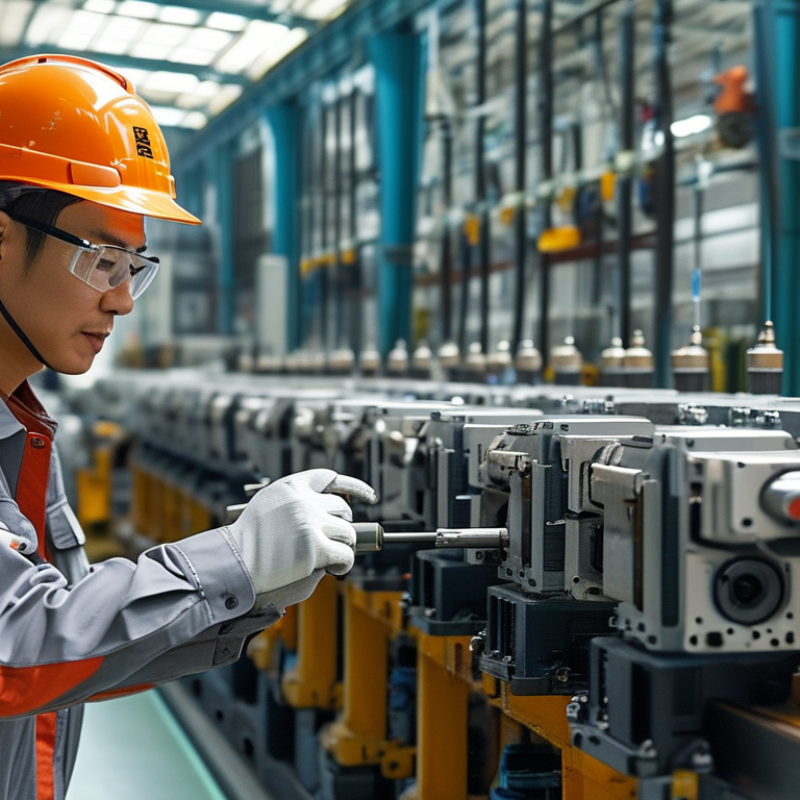
High torque motors play a vital role in enhancing performance across various industries in China. These motors are essential for applications requiring high starting torque. In manufacturing, for instance, high torque motors significantly improve efficiency in conveyor systems. According to the China Machinery Industry Federation, high-torque technologies are projected to make up 25% of the motor market by 2025.
The importance of high torque motors cannot be overstated. They are crucial in automotive production and robotics. Their high efficiency allows for reduced energy consumption. A study from the International Electrotechnical Commission highlights that high torque electric motors can achieve energy savings of up to 30%. However, these technologies still face challenges, such as cost and integration into existing systems.
In an increasingly competitive market, businesses must adapt to changing demands. The advancement of high torque motor technologies may require significant investment in R&D. Some companies find themselves struggling to keep pace with innovation. The ongoing evolution in high torque motor design will shape the future landscape of manufacturing and automation in China.
High torque motors have become crucial in various industries, especially in China. The demand for efficient and robust solutions grows as manufacturers seek ways to optimize performance. Key players in the market focus on innovations to meet this challenge.
Recent advancements include the integration of advanced materials and enhanced cooling systems. These improvements help sustain high torque output, even in demanding conditions. Furthermore, the rise of automation technology necessitates more reliable motor solutions. However, some manufacturers still face challenges in balancing cost and quality.
While many companies strive for superior performance, gaps remain. Not all innovations deliver expected outcomes, leaving room for improvement. Future developments may benefit from a stronger focus on sustainability, leading to greener solutions. Continuous refinement is vital to achieving optimal performance in high torque motors.
High torque motors are gaining traction in various industries across China. Their applications range from manufacturing to agriculture. These motors deliver powerful performance, making them suitable for heavy-duty tasks. In the manufacturing sector, for instance, they drive conveyor belts and machinery with efficiency. Reports indicate that high torque motors can improve production capabilities by up to 30%. This performance boost helps companies meet growing demands.
In agriculture, high torque motors are used in various equipment like tractors and harvesters. These motors provide the necessary power to handle tough terrains and heavy loads. Data shows that their use in agricultural machinery increases operational efficiency by approximately 25%. However, there are challenges as well. Not all farmers can easily integrate these technologies due to upfront costs and technical expertise.
The automotive industry also benefits from high torque motors. Electric vehicles increasingly use these motors for better acceleration and energy efficiency. Experts estimate that high torque motors contribute to a 15% increase in overall vehicle performance. However, the transition to these advanced systems can pose difficulties, especially for smaller manufacturers. These challenges highlight the need for continued research and support in the sector.
| Industry | Typical Application | Torque Range (Nm) | Motor Type | Efficiency (%) |
|---|---|---|---|---|
| Manufacturing | CNC Machines | 20 - 300 | AC Induction Motor | 90 |
| Mining | Conveyor Systems | 100 - 500 | DC Brushless Motor | 92 |
| Automotive | Electric Vehicles | 150 - 600 | Permanent Magnet Motor | 95 |
| Aerospace | Actuators | 30 - 200 | Stepper Motor | 88 |
| Agriculture | Tractors | 50 - 400 | Synchronous Motor | 89 |
High torque motor design poses several challenges in various applications. Engineers often face limitations related to size and weight. A lighter motor is essential for certain scenarios, yet it must maintain high torque output. This balance is tricky to achieve.
Overheating is another significant issue. High torque can generate excessive heat, risking motor performance and lifespan. Effective cooling solutions are essential but add complexity to design. Using high-quality materials can improve heat dissipation but often increases costs.
Tips: Consider using simulation tools during the design phase. This approach helps to visualize torque output and thermal performance. Regularly review the design with interdisciplinary teams for different perspectives.
Precision in motor control can also be challenging. Without accurate feedback, achieving the desired torque becomes difficult. Implementing advanced sensors can enhance control but adds to overall complexity.
Tips: Early prototyping can uncover issues with control algorithms. Testing small models can save time and resources before full-scale production. Collaboration is key to identifying flaws and refining solutions.
High torque motors are pivotal in industries across China. As manufacturing demands increase, these motors offer solutions that enhance performance. A recent report by the China Machinery Industry Federation emphasizes growth in the high torque motor sector, projecting a CAGR of 7.2% from 2023 to 2028. This trend highlights the need for improved technologies.
Future developments focus on efficiency and reliability. Many companies are investing in advanced materials and designs to reduce weight and maintain torque. The integration of IoT in motor systems is another notable trend. It allows for real-time monitoring and predictive maintenance. A study from the China Electric Motor Association indicates that these innovations can reduce operational costs by up to 30%.
Despite these advancements, challenges remain. Not all manufacturers are adapting swiftly. Some still rely on outdated technologies, which can limit performance. There is a growing need for education and training in the industry. Continuous improvement is crucial for maintaining competitiveness. As the market evolves, those who embrace change will stand out.
: High torque motors enhance performance in industries like manufacturing and automotive. They are essential for applications needing high starting torque.
These motors can achieve energy savings of up to 30%. This efficiency reduces overall energy costs for businesses.
Key challenges include high costs and difficulties in integrating them into existing systems. Businesses often struggle to adapt.
Investment in R&D is crucial as it drives innovation and keeps companies competitive in a changing market landscape.
Innovations include advanced materials and enhanced cooling systems. These improvements help motors maintain high torque output.
Not all innovations meet expectations. There remains room for improvement, which requires reflection and ongoing development efforts.
The rise of automation demands more reliable motor solutions. This trend pushes manufacturers to improve performance continuously.
Key manufacturers drive innovations to optimize performance. They face the challenge of balancing cost and quality effectively.
Yes, future developments may increasingly prioritize sustainability, leading to greener motor solutions that benefit the environment.
Companies that struggle to innovate might lose their competitive edge, risking long-term relevance in the industry.
The article "High Torque Motor Solutions for China Best Performance?" explores the significance of high torque motor technologies within China’s industrial landscape. It highlights how these motors are essential for achieving optimal performance across various sectors, including automotive, manufacturing, and robotics. Key manufacturers and their innovative approaches are discussed, demonstrating how advancements in high torque motor design can enhance efficiency and operational capabilities.
Additionally, the article addresses the challenges faced in the design and implementation of high torque motors, such as technical limitations and cost factors, while also providing potential solutions to overcome these obstacles. Looking ahead, it anticipates future trends and developments in high torque motor solutions that promise to further elevate productivity and innovation in China, positioning the country as a leader in high torque motor applications.
