2026 How to Choose the Best Precision Gear Motor for Your Needs?

Time:2026-08-28 Author:Madeline
0%

In the evolving landscape of automation, selecting the right Precision Gear Motor is critical. According to a report by MarketsandMarkets, the global precision gear motor market is expected to reach USD 3.9 billion by 2026, growing at a CAGR of 7.6%. This highlights the increasing reliance on precision gear motors for diverse applications.

Expert Robert Peterson, a leading figure in motor technology, emphasizes, "Choosing the right motor can significantly impact efficiency and performance." This statement underscores the importance of understanding your specific application needs. Precision Gear Motors are engineered for accuracy and reliability, yet not all motors fit every requirement.

In some cases, users may overlook crucial specifications like torque and speed requirements. These oversights can lead to inefficiencies and increased costs. As you explore options for a Precision Gear Motor, consider your unique operational demands. Gathering insights from industry leaders can greatly enhance your decision-making process.
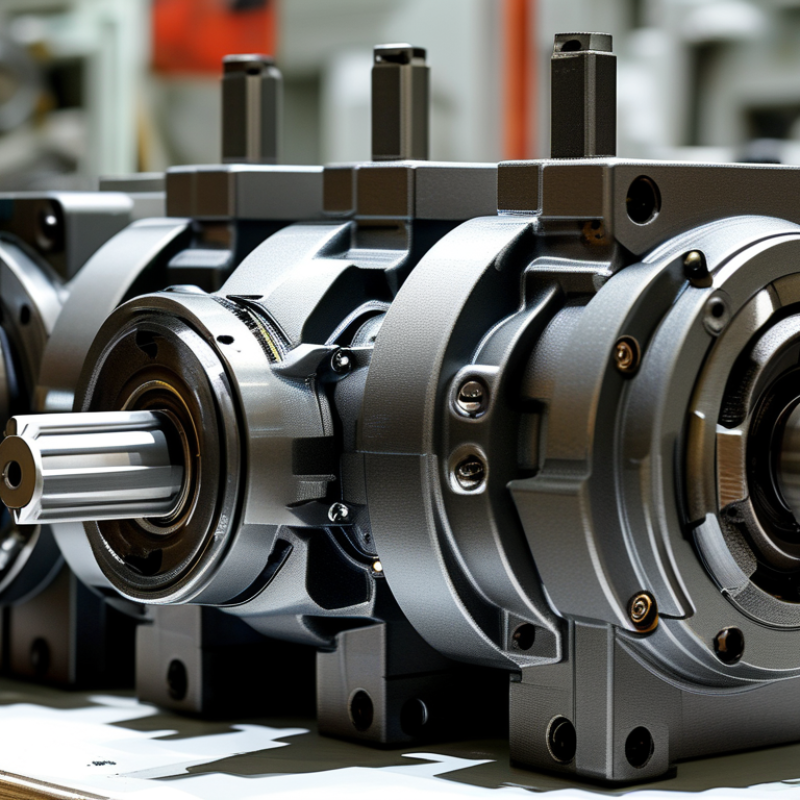
2026 How to Choose the Best Precision Gear Motor for Your Needs?

Understanding Precision Gear Motors and Their Applications

Precision gear motors play a crucial role in various industries. They bring together precision and power. These motors are essential in applications ranging from robotics to medical devices. They provide accurate motion control, ensuring tasks are performed with high fidelity. Understanding their working principles is vital for selecting the right motor for your needs.

The applications of precision gear motors are diverse. In robotics, they enable smooth movement and task execution. In manufacturing, they enhance the efficiency of conveyor belts and assembly lines. However, not all precision gear motors are created equal. Different configurations exist, each suited for specific tasks. This diversity can make selection challenging. It's essential to consider factors like torque requirements and speed range. Poor choices can lead to inefficiencies or operational failures.

When evaluating a precision gear motor, reflect on the application specifics. Consider load conditions and environmental factors. These details can make or break performance. While some motors excel in high-torque scenarios, others may falter. Balancing precision with power is key. Ensure thorough testing in your application for optimal results. This approach helps avoid issues that may arise from hasty decisions. Strive for a deep understanding of your needs.

Key Factors to Consider When Choosing a Precision Gear Motor

When selecting a precision gear motor, several key factors shape the decision-making process. Load capacity is crucial. It determines how much weight and torque the motor can handle without compromising performance. For example, some reports indicate that motors with a torque rating of 1 Nm are sufficient for light applications, while heavy machinery requires ratings above 10 Nm.

Another vital consideration is efficiency. High-efficiency motors minimize energy loss, making your systems more sustainable. Statistics reveal that gear motors with efficiencies over 90% can significantly reduce operational costs. In a world increasingly focused on energy conservation, this cannot be overlooked.

You also need to evaluate the physical dimensions. Compact designs fit into tighter spaces but may limit power output. Conversely, larger motors often provide better torque and heat dissipation. A balance must be struck between available space and required performance. Potential users sometimes overlook these design limitations, leading to costly modifications later. Identifying your specific needs, while remaining aware of potential challenges, will guide you toward the best choice for your applications.

2026 How to Choose the Best Precision Gear Motor for Your Needs? - Key Factors to Consider When Choosing a Precision Gear Motor

Factor Description Importance Rating (1-5)
Torque The amount of twisting force the motor can produce. 5
Speed Operational speed of the motor measured in RPM (revolutions per minute). 4
Size and Weight Physical dimensions and weight constraints relevant to the application. 3
Efficiency Energy consumption versus output; generally aiming for higher efficiency. 4
Response Time Time taken for the motor to respond to control inputs. 5
Durability Lifespan and robustness of the motor under operational conditions. 4
Cost Initial purchase cost and long-term operating costs. 3

Evaluating Torque, Speed, and Power Requirements

When selecting a precision gear motor, evaluating torque, speed, and power requirements is critical. Understanding these parameters ensures the motor will meet your specific application needs. Torque is a measure of rotational force. It influences how much load the motor can handle without stalling. For many applications, the required torque may range from a few ounce-inches to several hundred pound-inches. According to a recent industry report, motors with a torque rating of over 200 oz-in are commonly used in robotics and automation.

Speed is another vital factor. Motor speed, measured in RPM, affects how quickly a process can be completed. For applications requiring rapid movement, motors operating at over 3000 RPM are often suitable. However, not all tasks demand high speeds. For example, precision tasks in machining might require lower speeds and higher torque. The complexity lies in balancing these requirements to avoid over-specifying a motor, leading to unnecessary energy consumption and cost.

Power consumption impacts not only operational costs but also motor lifespan. Selecting a motor with the right power rating is vital. Motors operating at optimal power levels will perform efficiently. Yet, many overlook how power ratings relate to torque and speed. It's crucial to reflect on these relationships while choosing a motor to ensure long-term reliability and efficiency, instead of focusing solely on one parameter. Balancing these factors is not simple, and any miscalculation could lead to inefficient processes or equipment failure.

Torque, Speed, and Power Requirements for Precision Gear Motors

Assessing Size, Weight, and Mounting Options for Gear Motors

When choosing a precision gear motor, size and weight are critical factors. The motor's dimensions must fit within the constraints of your application. Compact designs are often necessary for tight spaces. However, downsizing can lead to compromises in torque and power output. Assessing the available space is vital.

Weight also plays a significant role in many applications. Heavier motors may offer more stability, but they can affect the overall design. Lighter motors can enhance portability but might sacrifice performance. Balancing these aspects requires careful evaluation of your specific needs.

Mounting options are equally important. Different applications will require various mounting styles. Some may need a direct mounting, while others might benefit from brackets or chassis. Each option affects the motor's performance and ease of installation. It's important to reflect on how these choices align with your overall goals. Take the time to determine which mounting options are most suitable for your setup. Making informed decisions now can prevent issues down the road.

Analyzing Cost vs. Quality Trade-offs in Gear Motor Selection

When selecting a precision gear motor, evaluating cost versus quality is crucial. Research from industry leaders indicates that about 70% of engineering teams struggle with this decision. High-quality motors often come with a higher price tag. However, investing in quality can lead to reduced maintenance costs. A reliable motor tends to have a longer lifespan, minimizing replacement frequency.

A study published in the Journal of Mechanical Engineering notes that low-cost motors may compromise performance. For instance, using a subpar gear motor can result in inefficiencies. These inefficiencies may cause increased energy consumption, which can significantly impact operational costs over time. In an era where energy efficiency is paramount, the initial savings can turn into long-term losses.

Balancing these trade-offs requires a thorough assessment of application needs. For high-precision applications, investing in quality may reduce downtime. Yet, for less demanding tasks, a mid-range option could suffice. This analysis demands careful consideration and reflects the complexity of gear motor selection in engineering projects.

FAQS

: What are precision gear motors used for?

: They are used in robotics, medical devices, and manufacturing applications for accurate motion control.

How do I choose the right precision gear motor?

Consider torque, speed, and power requirements specific to your application.

What role does torque play in motor selection?

Torque determines the load a motor can handle without stalling. It’s crucial to understand this.

Why is speed important in motor applications?

Speed impacts how quickly tasks can be completed. Different tasks require varying speeds.

How can poor motor selection affect performance?

Incorrect choices can lead to inefficiencies and operational failures. This can be costly to address.

Should I focus on just one parameter when selecting a motor?

No, it's vital to balance torque, speed, and power for optimal performance and efficiency.

How does power consumption affect motor lifespan?

Operating a motor at optimal power levels enhances efficiency and extends its lifespan.

What common mistake do people make when choosing a motor?

Many overlook the relationships between torque, speed, and power ratings, leading to miscalculations.

Can environmental factors affect motor performance?

Yes, load conditions and environmental details are crucial for ensuring effective performance.

Is testing important before finalizing a motor choice?

Yes, thorough testing can help avoid issues that arise from hasty or uninformed decisions.

Conclusion

When selecting a Precision Gear Motor for specific applications, it's crucial to understand the fundamental principles of these motors and their diverse uses across various industries. Key factors to consider include evaluating torque, speed, and power requirements to ensure the motor meets performance expectations. Additionally, examining size, weight, and mounting options can impact the overall design and functionality of the system.

Moreover, cost versus quality trade-offs should also be analyzed. While it may be tempting to opt for the most affordable option, investing in a high-quality Precision Gear Motor can lead to improved efficiency and durability in the long run. This comprehensive approach will help in making an informed decision tailored to meet individual needs and operational demands.

Madeline

Madeline

Madeline is a dedicated marketing professional with a wealth of expertise in our company's core offerings. With a keen understanding of the industry, she brings a unique perspective to her role, consistently delivering high-quality content that highlights the superior aspects of our products. As......