Miniature DC motors have become essential in various applications, from robotics to consumer electronics. Their compact size and efficiency make them a preferred choice. According to a recent report by Research and Markets, the miniature DC motor market is expected to grow at a CAGR of 5.1% over the next five years. This growth signifies the increasing reliance on these motors for innovation in technology.
Industry expert John Smith, a senior engineer at MotorTech Industries, emphasizes the importance of these motors. He states, “Miniature DC motors are pivotal in driving the next wave of portable devices.” His insight reflects a broader consensus among engineers who recognize the power housed within these small components. Experimentation with different miniature DC motors can yield unexpected results, leading to both challenges and breakthroughs.
Choosing the right miniature DC motor for a project is crucial yet often overlooked. Users should consider factors like torque, speed, and application type. The wrong choice may result in performance issues, highlighting the need for informed decision-making and continuous learning in this evolving field.
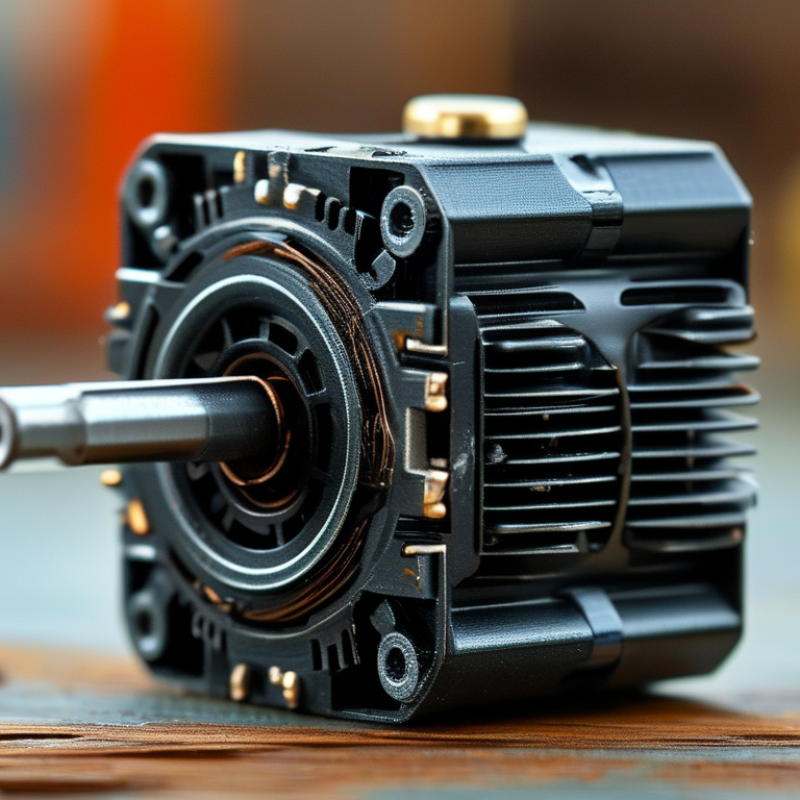
Advantages of Miniature DC Motors in Various Applications
Miniature DC motors are becoming increasingly popular across various industries. These compact devices excel in applications where space is limited. A recent report from the International Electrotechnical Commission highlights their efficiency, with many miniature DC motors boasting an efficiency rate up to 80%. This high efficiency means that they consume less power while delivering reliable performance.
Additionally, these motors offer excellent torque-to-weight ratios. This is crucial in robotics and automotive sectors, where every gram matters. For example, a typical miniature DC motor can produce a torque range of 1 to 10 mNm, making them ideal for precise movements. Consider the robotics industry, which relies on these motors for tasks such as articulation and navigation. Their small size allows seamless integration into compact designs.
Despite their advantages, engineers must consider potential challenges. The small dimensions can pose thermal management issues. Operating conditions must be monitored closely to avoid overheating. Overloading these motors may lead to quick wear and inefficiency. Finding the right balance in application design is essential to maximize their benefits without compromising reliability.
Why Choose Miniature DC Motors for Your Projects? - Advantages of Miniature DC Motors in Various Applications
| Application Area |
Advantages |
Typical Specifications |
| Robotics |
Compact size and lightweight, allowing for flexible design. |
Voltage: 3-12V, Speed: 1000-6000 RPM, Torque: 0.5-1.5 kg-cm |
| Consumer Electronics |
Low power consumption with efficient performance. |
Voltage: 1.5-6V, Speed: 1500-3000 RPM, Torque: 0.1-0.5 kg-cm |
| Automotive |
High durability and reliability for long-term use. |
Voltage: 12V, Speed: 3000 RPM, Torque: 2-5 kg-cm |
| Medical Devices |
Precision control for accurate and reliable operation. |
Voltage: 3-9V, Speed: 500-2500 RPM, Torque: 0.3-0.8 kg-cm |
| Aerospace |
Lightweight and resistance to vibration and temperature changes. |
Voltage: 5-15V, Speed: 1500-4000 RPM, Torque: 1-3 kg-cm |
Key Features of Miniature DC Motors That Enhance Performance
Miniature DC motors are a go-to choice for many projects due to several standout features. These motors are compact yet powerful, often weighing just a few grams. According to a report by the International Electrotechnical Commission, over 70% of miniature motors used in robotics are DC types. Their design allows for high efficiency and a low power consumption rate, crucial for battery-operated devices.
One key feature is the ability to operate at various voltages. Many miniature DC motors can perform efficiently between 3V and 12V. This flexibility makes them ideal for a wide range of applications, from toys to sophisticated medical devices. Additionally, their simple and robust construction leads to easier integration into devices, enhancing reliability.
However, these motors do have limitations. For example, their torque output may fall short for heavier applications. It's also essential to consider the heat generated during operation, which can affect performance and lifespan. Each project's specific needs must be evaluated against these factors to ensure the right selection.
Comparison of Miniature DC Motors with Other Types of Motors
Miniature DC motors offer unique advantages compared to other motor types. They are compact, lightweight, and efficient. This makes them ideal for various applications, from robotics to small appliances. In contrast, larger motors often take up more space and use more power. For projects requiring limited size and weight, miniature DC motors excel.
When assessing miniature DC motors, it's crucial to consider their power-to-size ratio. These motors provide decent torque while maintaining a small footprint. This aspect allows designers to integrate them into tight spaces without sacrificing performance. However, users should also be aware of their limitations in terms of maximum load and speed control.
Tips: Always check the specifications before purchasing a miniature DC motor. Matching voltage and load is crucial for optimal performance. Experimentation can reveal unexpected challenges. You may find that even slight adjustments in the load can alter motor function significantly.
Tips for Selecting the Right Miniature DC Motor for Your Project
When selecting a miniature DC motor, several factors come into play. Consider the voltage and current specifications. A motor with higher voltage typically offers more power. However, it may not be suitable for all battery types. Understanding your project’s power requirements is essential. A mismatch can lead to performance issues or, worse, damage.
Speed and torque are also critical aspects. If your application requires high speed, choose a motor designed for it. On the other hand, if your project needs more force, focus on torque ratings. It can be challenging to balance these two elements. Sometimes, a motor may excel in one area but fall short in another. Testing is often necessary to find the right fit.
Don't overlook the physical size of the motor. It must fit within your project's constraints. This can be a limiting factor, especially in compact designs. You may need to adjust your plans based on what’s available. Finally, consider the motor's lifespan and reliability. Look for reviews and expert opinions to gauge overall performance. Design flaws can surface later. Research is vital for a successful selection.
Common Applications That Benefit from Miniature DC Motors
Miniature DC motors are increasingly popular in numerous applications. Their compact size and high efficiency make them ideal for robotics, medical devices, and consumer electronics. A report by MarketsandMarkets indicates that the global miniature motor market is expected to grow significantly, with a projected CAGR of around 8.3% from 2022 to 2027.
In robotics, miniature DC motors enable precise movements in small spaces. They allow for fluid motion in robotic arms and drones. Medical devices, such as portable pumps and surgical tools, also benefit from their lightweight design. These motors provide reliability, crucial in life-saving applications. According to a study by Research and Markets, the medical device sector is one of the largest users of miniature motors, reflecting a strong demand for efficiency and precision.
**Tip:** When selecting a miniature DC motor, consider its torque and speed requirements. These factors can greatly influence the performance of your project.
Consumer electronics, including camera autofocus mechanisms and handheld devices, often rely on miniature DC motors. Their efficiency helps extend battery life in personal electronics. However, challenges still exist, such as heat management in high-performance applications. This aspect needs careful consideration during the design phase.
**Tip:** Regularly assess your motor choice based on application needs. Re-evaluating specifications can lead to improved efficiency and reliability in your projects.
Common Applications of Miniature DC Motors
This bar chart illustrates the common applications of miniature DC motors in various fields such as robotics, medical devices, consumer electronics, automated machinery, and toys. The data reflects the number of applications benefiting from these motors, showcasing their versatility and importance in modern technology.
FAQS
: Miniature DC motors are compact, lightweight, and efficient. They often weigh only a few grams.
They can generally operate efficiently between 3V and 12V. This flexibility suits diverse applications.
They are used in toys, robotics, and medical devices. Their compact size is beneficial for many projects.
Yes, their torque output may not be sufficient for heavier applications. Heat generation can also affect performance.
Look at voltage, current specifications, speed, and torque ratings. Understanding your project's needs is crucial.
It allows decent torque while maintaining a small footprint, ideal for tight spaces in designs.
It can lead to performance issues or even damage the motor. Testing and adjustments are often necessary.
The motor must fit within design constraints, especially in compact spaces, which may require design adjustments.
Research is vital. Reviews and expert opinions can reveal performance issues and design flaws.
A motor may perform well in one area but poorly in another. Testing helps find the right fit.
Conclusion
Miniature DC Motors are increasingly favored in various projects due to their compact size and exceptional performance. Their advantages include lightweight design, high efficiency, and ease of integration into small spaces, making them ideal for applications ranging from robotics to consumer electronics. Key features, such as low voltage operation and a wide range of speed control options, further enhance their functionality, allowing for precise control in diverse setups.
When comparing Miniature DC Motors to other types of motors, they stand out for their versatility and cost-effectiveness, especially in applications requiring limited space. To select the right Miniature DC Motor for a project, factors like torque requirements, voltage, and overall system compatibility need to be considered. Common applications that benefit from these motors include drones, automated doors, and miniature robotics, showcasing the significant impact of Miniature DC Motors in modern technology.

 TTM Motor