In today’s fast-paced industrial world, the demand for efficient and precise motion control solutions is at an all-time high. The Servo Stepper Motor stands out as a robust option for a variety of applications. With a seamless blend of flexibility and performance, these motors cater to the needs of global buyers.
The benefits of employing Servo Stepper Motors extend beyond mere functionality. They offer enhanced energy efficiency, improved torque, and superior positioning accuracy. These advantages make them a preferred choice for manufacturers aiming to optimize their processes. However, not all applications benefit equally from this technology. Understanding specific operational requirements is essential for making an informed decision.
While Servo Stepper Motors provide many benefits, users must consider their unique needs and potential limitations. For instance, the initial investment can be higher compared to traditional motors. Comprehensive market research and expert consultation can guide buyers toward making the most informed choices. Embracing these motors means stepping into a future of innovation and reliability.
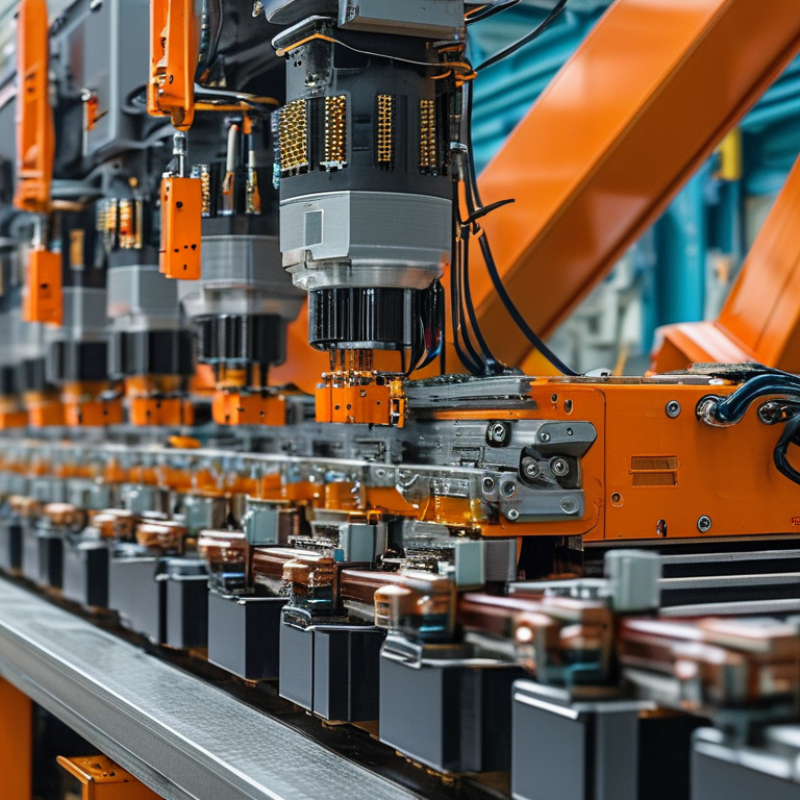
Introduction to Servo Stepper Motors and Their Importance
Servo stepper motors are vital components in various industries. They combine the benefits of both servo and stepper technologies. As automation becomes essential, these motors provide precision and efficiency. Recent studies show that the global servo motor market could reach $15.84 billion by 2025, driven by growing demands in manufacturing and robotics.
These motors excel in applications requiring high accuracy and repeatability. For example, in 3D printing, they control the print head's movements, ensuring dimensional accuracy. Applications in CNC machines leverage servo stepper motors to enhance productivity, achieving up to 25% faster cycle times compared to traditional motors. Flexibility in performance settings allows for adaptability across diverse sectors.
Despite their advantages, some challenges remain. Servo stepper motors can be expensive upfront, which may deter some buyers. Maintenance needs might also result in downtime. Optimizing performance requires ongoing analysis and fine-tuning, demanding skilled technicians. Balancing initial investment and operational efficiency can be challenging but is necessary for long-term gains.
Enhanced Precision and Control in Motion Applications
Servo stepper motors are revolutionizing motion control applications, delivering enhanced precision. This technology allows for meticulous movements. Precise control over motor position and speed contributes to higher accuracy in various tasks. For industries like robotics and automation, this precision can significantly improve product quality.
The benefits of servo stepper motors extend to smoother operation as well. They minimize vibrations and noise, creating a more efficient working environment. This capability is essential in sensitive settings where accuracy is crucial. However, some users may find the initial setup challenging. Understanding the control system can require time and experience.
Moreover, the adaptability of servo stepper motors stands out. They can be tailored to suit different applications, increasing their value. Compatibility with various systems enhances their utility. One must be cautious, though. Selecting the wrong specifications can lead to performance issues. It's essential to assess application needs thoroughly to avoid setbacks.
Top 10 Advantages of Servo Stepper Motors for Global Buyers
| Advantage |
Description |
| Enhanced Precision |
Servo stepper motors provide high positioning accuracy in motion control applications, reducing errors in operations. |
| Superior Control |
Advanced control techniques allow for smooth and stable motion, ideal for complex applications. |
| High Torque Output |
Servo stepper motors deliver consistent torque at various speeds, improving performance in demanding applications. |
| Energy Efficiency |
These motors consume less power compared to traditional stepper motors due to precise control over energy usage. |
| Rapid Acceleration |
Fast and easy acceleration capabilities allow for quick response times in various applications. |
| Reduced Mechanical Stress |
The controlled approach minimizes mechanical wear and tear, extending motor lifespan. |
| Low Maintenance |
Less frequent maintenance is required due to the durability and reliability of these motors. |
| Versatile Application |
Suitable for various applications including robotics, CNC machinery, and 3D printing. |
| Compact Design |
Space-saving designs allow for easy integration into different systems or devices. |
| Improved Reliability |
High-quality components lead to dependable operation, reducing downtime and operational costs. |
Energy Efficiency Benefits of Servo Stepper Motors
Servo stepper motors are gaining traction for their energy efficiency, making them attractive to global buyers. Reports indicate that these motors can reduce energy consumption by approximately 30-50% compared to traditional systems. This reduction leads to lower operational costs, which is critical for industries focused on maintaining competitive pricing.
A study by the International Energy Agency highlights that improving energy efficiency can significantly decrease electricity demand. In manufacturing, servo stepper motors allow for precise control, resulting in less energy wasted during operation. Their ability to operate at lower power levels without sacrificing performance makes them particularly effective in environments where energy costs are a significant concern.
Despite these advantages, not all installations yield optimal results. Choosing the right motor for specific applications can be complex. Some industries may only experience marginal savings, questioning the motor's value. Decisions need careful analysis to ensure the motor’s efficiencies align with operational goals. Data-driven assessments can help navigate these challenges, ensuring investments meet energy efficiency expectations.
Versatility of Servo Stepper Motors in Various Industries
Servo stepper motors are gaining traction across various industries due to their unique versatility. In manufacturing, these motors provide precise control, allowing for intricate tasks like robotics and CNC machinery. Their ability to handle multiple applications simultaneously makes them invaluable in reducing operational complexity. For automation processes, servo stepper motors enhance efficiency and output quality, ensuring that production lines run smoothly.
When selecting a servo stepper motor, consider the specific requirements of your application. Assess the torque and speed needed for your tasks. This evaluation helps in choosing the right specifications for optimal performance. Moreover, it's essential to review the compatibility with existing systems to avoid future integration issues.
While servo stepper motors offer many advantages, they are not without challenges. The initial cost may be high, which could be a concern for budget-sensitive projects. Maintenance is another aspect to consider, as these motors require regular checks to ensure longevity. Understanding these factors can aid in making informed decisions about their use.
Cost-effectiveness Compared to Traditional Motor Types
Servo stepper motors are gaining popularity for their cost-effectiveness compared to traditional motor types. Their efficiency can lead to significant savings in energy costs. Many industries rely on these motors for tasks that require precision. This precision reduces waste, enhancing overall productivity. Buyers can expect lower maintenance costs over time. The simplicity of their design contributes to their longevity.
Tips: When selecting motors, consider the application. Different projects have varying requirements. Perform thorough research to match the motor to your specific needs.
It is important to weigh the initial investment against potential savings. While servo stepper motors may have a higher upfront cost, they often outperform their traditional counterparts. Energy efficiency can translate to a quicker return on investment. However, not all projects benefit equally from this motor type.
Tips: Assess your workflow carefully. Operations with higher precision requirements may see more significant gains. Be open to re-evaluating your choices based on performance data.
Top 10 Advantages of Servo Stepper Motors for Global Buyers
This chart illustrates the key advantages of Servo Stepper Motors compared to traditional motor types, focusing on cost-effectiveness and efficiency.
Conclusion
Servo stepper motors have emerged as a crucial technology for modern motion applications, offering enhanced precision and control. Their ability to provide accurate position and speed management makes them invaluable across a range of industries, from robotics to manufacturing. This increased precision is coupled with energy efficiency, enabling users to reduce power consumption without sacrificing performance.
Furthermore, the versatility of servo stepper motors allows them to adapt to various industrial requirements, making them a preferred choice over traditional motor types. In addition to their technical advantages, these motors present a cost-effective solution, often resulting in lower operational costs while maintaining high-quality output. Overall, the advantages of servo stepper motors position them as a favorable option for global buyers looking to optimize their projects.

 TTM Motor