As we approach 2026, the demand for efficient and reliable motors is growing rapidly. The AC Shaded Pole Gear Motor has emerged as a key player in this arena. Its unique design offers several advantages in various applications. This motor is widely appreciated for its simplicity and durability. Many industries, from home appliances to HVAC systems, rely on its performance.
The AC Shaded Pole Gear Motor stands out due to its low initial cost and minimal maintenance. However, it lacks some advanced features seen in other motor types. Users should be aware of these limitations when choosing a motor for specific applications. The efficiency of this motor often varies, depending on the load. This can affect the overall performance in real-world scenarios.
Despite these challenges, the AC Shaded Pole Gear Motor remains a popular choice. Its reliability and ease of use make it suitable for numerous applications. As we explore its top features, consider how they align with your requirements. This examination will help you make an informed decision in an evolving market.
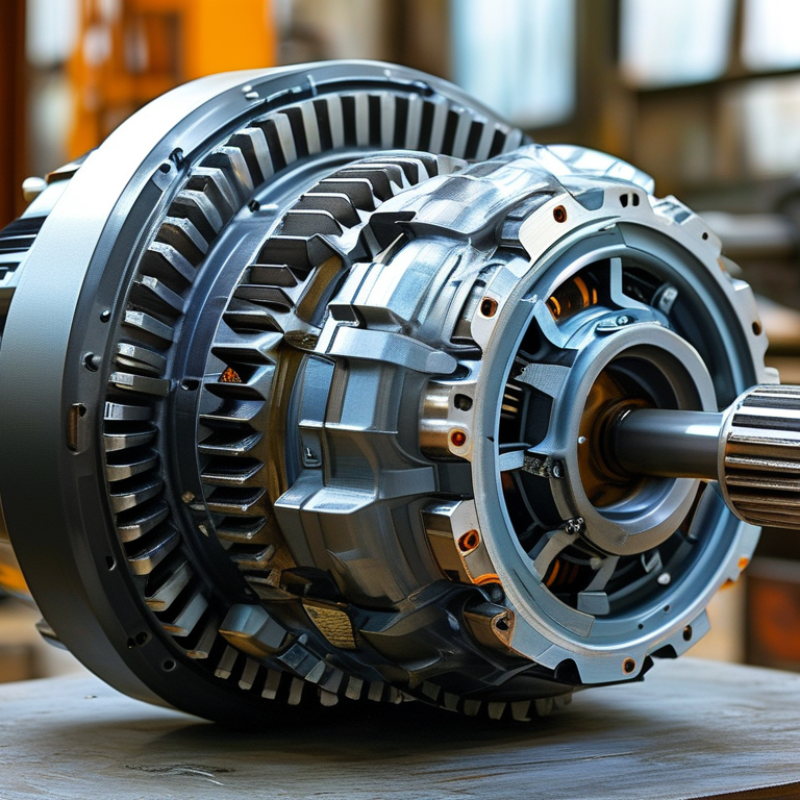
AC shaded pole gear motors are designed with a unique set of features that make them adaptable for various applications. Their simplicity stands out. These motors have fewer parts, which reduces the chances of mechanical failure. This reliability is essential in environments where maintenance is challenging. With less complexity, these motors are also more cost-effective, appealing to budget-conscious projects.
Another notable feature is their efficient operation at low speeds. This capability is valuable in applications that require gradual motion, like ventilation systems. The low-speed performance often compensates for torque, making them suitable for driving fans or small conveyors. However, it's essential to remember that shaded pole motors generally offer lower efficiency compared to other types. This trade-off may require additional considerations during the design phase.
While these motors excel in specific scenarios, they also have limitations. Their starting torque is relatively low, which can hinder performance in demanding applications. Users should assess whether these limitations align with their project needs. Overall, the shaded pole gear motor remains a reliable choice, despite its drawbacks. Understanding its features helps in making informed decisions for future developments in 2026 and beyond.
In 2026, energy efficiency ratings for AC shaded pole gear motors will be critical. Recent industry reports highlight a growing demand for motors with high efficiency. According to the U.S. Department of Energy, gear motors can achieve energy savings of up to 30% compared to traditional designs. This shift showcases the increasing importance of performance metrics in selecting gear motors.
Performance metrics such as torque, speed, and operational lifespan play a significant role. A comprehensive study from the International Electrotechnical Commission indicates that energy-efficient gear motors provide a better return on investment. For instance, reducing energy consumption can significantly lower operational costs. Many manufacturers now offer models that comply with these new standards.
However, not all motors meet these expectations. Some designs still fall short in real-world applications. There are often discrepancies between laboratory efficiency ratings and actual performance. Choosing the right motor requires careful consideration of both specifications and real-life data. Manufacturers must address these variations to ensure reliability and efficiency in diverse operational environments.
The design of shaded pole motors is evolving rapidly, reflecting advancements in engineering that improve efficiency. The use of innovative materials plays a crucial role in enhancing performance. Lighter materials reduce energy consumption while maintaining strength. This shift not only saves costs but also supports sustainability.
Another key aspect is the enhanced cooling techniques integrated into modern shaded pole motors. Efficient heat dissipation extends the lifespan of the motor and boosts reliability. In contrast to older designs, these enhancements minimize the risk of overheating during prolonged use. Users can expect greater durability and reduced maintenance.
Nevertheless, challenges remain. Balancing cost and performance is complex. Some manufacturers struggle with achieving optimal efficiency without increasing prices. Furthermore, the learning curve for new technologies could hinder widespread adoption. Continuous research is necessary to address these issues, ensuring that future designs deliver on their promises while remaining accessible to users.
AC shaded pole gear motors are becoming more prominent in various industrial settings. These motors are favored for their simplicity and resilience. Their design allows for a compact footprint, making them suitable for applications with space constraints.
According to industry reports, the demand for such motors is expected to rise by 10% annually through 2026.
In manufacturing, AC shaded pole gear motors are frequently used in conveyors and fans. They are ideal for low-torque applications requiring constant operation. Furthermore, these motors are able to withstand harsh environments. The operating temperature of these motors typically ranges from -20°C to 60°C. However, their efficiency can be a concern. The motors generally have lower efficiency compared to other types, varying between 30% to 50%. This can lead to higher energy costs over time.
Their role in HVAC systems is also notable. They provide reliable and quiet operation, enhancing comfort in industrial facilities. Yet, the low starting torque can limit their usage in more demanding tasks. Having a clear understanding of these limitations is essential for optimal application. Data suggests that better energy management systems could improve overall efficiency, making these motors a more sustainable choice.
When comparing AC shaded pole gear motors to other motor types, several key differences emerge. AC shaded pole motors are known for their simple design. This simplicity allows for lower production costs. However, this design comes with limitations, such as reduced efficiency and lower torque outputs. In applications needing high performance, other motors may excel.
Induction motors and brushless DC motors often outperform shaded pole models in efficiency and torque. Induction motors utilize a rotating magnetic field. This feature provides smoother and more reliable performance. Brushless motors, on the other hand, offer greater control and adaptability. They excel in environments where energy efficiency is paramount.
Despite these drawbacks, shaded pole motors have unique advantages in certain applications. They are quiet and stable, making them suitable for small appliances. Their ability to operate without complex controls simplifies installation and maintenance. Users often find them appealing for low-power applications. However, it is essential to consider the specific needs of your project before making a decision.
: Shaded pole motors are simple and resilient electric motors, often used in industrial applications.
Innovative, lighter materials enhance performance and reduce energy consumption without sacrificing strength.
Improved heat dissipation extends motor lifespan and boosts reliability, reducing overheating risks.
Some manufacturers struggle to deliver optimal efficiency without raising prices significantly.
AC shaded pole gear motors usually operate well between -20°C and 60°C.
They are often found in conveyors, fans, and HVAC systems, especially under low-torque demands.
Their efficiency is generally lower compared to other motor types, leading to higher energy costs over time.
Demand is expected to rise by 10% annually through 2026 in industrial settings.
Their low starting torque can restrict usage in more demanding applications.
Implementing better energy management systems could enhance their overall efficiency and sustainability.
The "AC Shaded Pole Gear Motor" is set to play a crucial role in various industrial applications by 2026, featuring significant advancements in energy efficiency ratings and performance metrics. These motors are designed with enhanced engineering principles, improving their operational capabilities and making them more suitable for energy-conscious environments.
Key advances in shaded pole motor design have led to better torque characteristics and reduced noise levels, contributing to their growing popularity in diverse sectors. A comparative analysis reveals the advantages of AC shaded pole gear motors over other motor types, especially in applications requiring reliable and efficient performance. Overall, these developments position AC shaded pole gear motors as a preferred choice for modern industrial needs.
